
The panic mode is that sudden, overwhelming surge of fear that engulfs your mind and body. It matters to anyone who’s felt it and it matters to the clinicians who help them. At Mindvita, we look at panic mode from three angles: thinking, feeling and physiology to offer practical evidence based ways to manage this tangled response.
Panic mode isn’t just the nervousness acting up; instead, it is a strong immediate stress response that can strike at any moment without warning. It can begin from inside, such as past trauma, genetics and brain chemistry or from outside pressures, shocking threats and life changing events.
Research shows that panic mode affects about 2-3% of the adult population each year worldwide, though this can differ based on age, sex and other lifestyle factors. The American Psychiatric Association states, “2021, recognizing the signs early will prevent it from escalating and reduce the risk of chronic anxiety.”
Panic mode activates powerful mind-body responses, triggering racing thoughts, rapid heartbeat, and shallow breathing. Understanding these patterns with guidance from an online psychiatrist helps restore balance, control fear, and regulate breath effectively.
Understanding Panic Mode Definition and Key Concepts
Panic mode is different from regular anxiety in that it happens suddenly, at full blast. Those who suffer from it tend to have a rapid heartbeat, trouble breathing and a sense of impending doom. Recognizing all these symptoms of a panic attack is the first step towards dealing with it.
Historical and Evolutionary Perspectives
Historically, the panic mode was a survival mechanism. For early humans, this acute fear was necessary to activate the flight response to danger. Contemporary brain imaging studies demonstrate that the amygdala, our fear center, is still the core component of the panic mode, emphasizing its biological basis.
Whom It Affects
Panic mode can affect anyone, but research suggests that it is more common in women and those under 40 years of age. A history of trauma or family predisposition to anxiety increases the chances of a panic mode attack. In online studies, job-related stress and social pressures are also known to trigger a panic mode attack, even for those who feel otherwise.
Cognitive Dimensions of Panic Mode
Being in the Moment
When people are in a panic mode, their minds go haywire. Catastrophizing thoughts are predominant; worst case scenarios are visualized and the threat is magnified. For instance, a racing heartbeat is immediately attributed to a heart attack.
The Role of Memory
Stress or trauma in the past can also trigger a sudden attack after several years. The hippocampus and amygdala work together to identify threats, whether actual or perceived. Online fMRI studies demonstrate that these regions are hyperactive in people prone to panic attacks, accounting for the sudden onset.
Cognitive behavioral mechanisms
Cognitive behavioral therapy helps in getting out of the panic mode by addressing the dysfunctional thought patterns and gradually exposing the individual to the triggers in a controlled environment. Research evidence suggests that with consistent CBT, one can see a decrease in panic attacks by as much as 60%, an added advantage of the same.
Panic Mode: The Emotional Dimensions
Core Emotions
Panic mode is sustained by fear, often in combination with feelings of helplessness or terror. This may be followed by feelings of shame or embarrassment if this experience happens in public. As the bodily sensations of shaking, sweating or pounding in the chest become more visible, this can add to the aversive emotional cycle.
Regulation Under Strain
The prefrontal cortex is always regulating your emotions, but during panic mode, the grip on emotions is loosened, and the amygdala is in charge. This is why you can feel safe but also feel overwhelmed. Mindfulness and breathing strategies can help you regain control.
Social and Environmental Influence
It is all a matter of where you are and with whom you are there. The presence of crowded spaces, reminders of trauma and high stress environments can put you in panic mode; the presence of social support can help you get out of it. Online support groups for others with the same problem clearly show the benefit and the importance of the environment in shaping emotion.
Physiological Dimensions of Panic Mode
The Fight or Flight System
On a physiological level, panic mode engages the fight or flight response. The sympathetic nervous system releases adrenaline and cortisol, which increases heart rate, breathing and blood pressure. It prepares you to respond, but if it is not a real threat, the deluge can be overwhelming.
Mechanisms of the Brain
Studies using imaging have shown that the amygdala and hippocampus are revved up, but the prefrontal cortex is not applying the brakes. This pattern of brain activity is why the experience is so sudden, intense and hard to control.
Physical Symptoms and Health Impacts
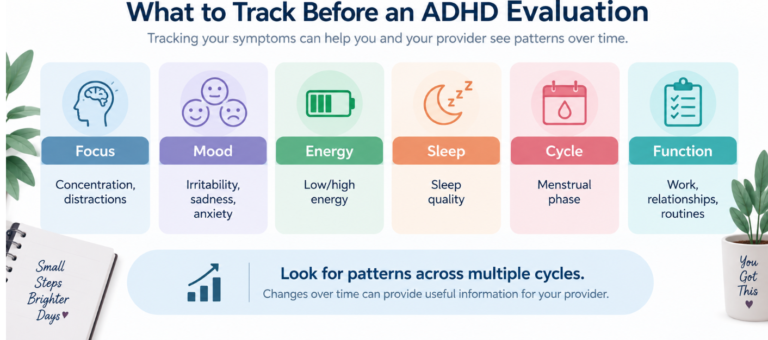
Panic mode can lower one down if it occurs too often: heart problems, immune system disorders and stress. Monitoring palpitations, sweating and other physical symptoms can help identify patterns and act on them before it is too late.
Triggers and Risk Factors
Internal Triggers
Genetics, imbalances in the neurotransmitter system and past traumas are some of the major factors that may trigger the panic mode. It gets further triggered if it is in the family history.
External Triggers
Triggers may be stressors in life, environmental changes or even everyday pressures. Online test results of stressors show work deadlines and social pressures as major triggers.
Comorbid Conditions
Depression, PTSD and substance use disorders are commonly linked with panic mode, which is likely to rise with both frequency and intensity. It is helpful in managing the conditions when treated.
Diagnosis and Evaluation Clinical Indicators
The panic mode is diagnosed according to DSM-5 and ICD-11 criteria, mainly concentrating on symptoms associated with panic attacks, frequency and effects on daily life.
Emerging AI Tools
AI is helping in the prediction of panic mode. Wearables track heart rate, breathing, and stress levels for immediate analysis. Mindvita offers online AI-based solutions to help in tracking triggers and managing symptoms in advance.
Treatment and Intervention Strategies
Cognitive and Behavioral Therapies
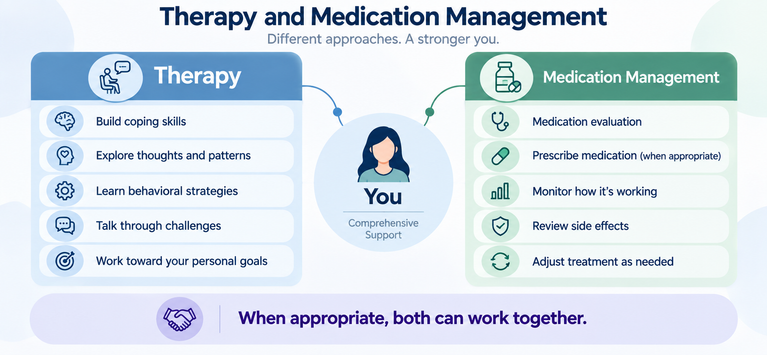
Cognitive Behavioral Therapy, exposure therapy and mindfulness strategies help in reducing the frequency of its activation and intensity. Online solutions would allow people to work on it on a regular basis, even from a distance.
Pharmacological Interventions
SSRIs, benzodiazepines and beta blockers can be used to treat panic mode. A combination of pharmacological treatment and CBT is the most effective treatment.
Integrative and New Approaches
Mindvita offers support for integrative therapies Virtual Reality assisted therapy, biofeedback, and AI-assisted online therapy. Lifestyle factors such as regular exercise, healthy sleep patterns and healthy eating patterns can prevent episodes.
How to Calm Panic Mode
Here are the few steps for how to calm panic mode
-Practical steps: Deep breathing and grounding: It involves slow and controlled breathing that inhibits the body’s stress response.
-Cognitive reframing: remind yourself that the panic is temporary. Mindfulness can be assisted by Web based guided sessions to manage emotions.
– Physical activity: Light stretching or a walk to help dissipate excess adrenaline.
– Professional help: regular sessions or therapy and structured help through AI guided programs on Mindvita.
-Prevention and Coping Develop a daily routine of stress management, such as mindfulness or even journaling.
– Track triggers by using online resources or wearables.
– Build resilience with good social support. Engage in educational programs to enhance coping mechanisms for anxiety and panic mood.
Panic Mode Research: Future Directions
Development of AI models for the early diagnosis of the disease and specific treatment. Neuroimaging/genetic methods for identifying at risk individuals. Online therapy platforms that can be accessed on a large scale. Controlled integration of thinking, feeling and physiological functions to better tailor treatment.
Conclusion
The concept of panic mode can be fully grasped by breaking it down into layers. Distorted cognition, emotional arousal and physiological arousal all contribute to the intensity of the episode. At Mindvita, we use CBT, AI-assisted monitoring, pharmacological interventions and lifestyle modification to provide the best solutions for managing panic mode. Early intervention, proper coping strategies and professional help can significantly improve the lives of those suffering from anxiety related panic attacks.
Frequently Asked Questions
How can I immediately manage the panic mode when it strikes?
Engage in deep breathing, grounding and online guided mindfulness. Breathe slowly, notice what is around you and reassure yourself that this will pass.
What are the common symptoms of a panic attack in panic mode?
Heart palpitations, difficulty breathing, sweating, dizziness and a feeling of impending doom. Early intervention will prevent the situation from worsening.
Can online therapy help with anxiety in panic mode?
Yes, online therapy resources like Mindvita utilize CBT, mindfulness and AI-assisted monitoring for structured and convenient access.
How can I ensure that panic mode attacks do not happen in the future?
The essential pieces will include regular stress management, healthy lifestyle modification, online monitoring of triggers and consistent practice of coping strategies.
So, are medications helpful in managing panic mode?
Medications such as SSRIs or beta blockers may be helpful in reducing symptoms of intensity, especially when used in conjunction with therapy. Your therapist can help you determine the best course of action based on your symptoms.