There are instances where people have experienced sadness that has lasted for a period of years and this has impacted the quality of their lives. Some people think that they are of a negative personality. However in most instances the problem is caused by a mental condition referred to as persistent depressive disorder or dysthymia. In the past mental health practitioners used different approaches in the management of mental conditions. However in the modern era mental health practitioners have come to realize that the best approach in the management of the condition is a long term one. Unlike other types of depression which develop suddenly the condition develops gradually and lasts in the body for a period of years without the appropriate care.
Fortunately the modern era has come with the best approaches in the management of mental conditions including depression. Some of the approaches include therapy medication lifestyle changes and the use of mental health technology.
The following is an in depth guide from a Mindvita article on the modern clinical approaches to the management of the mental condition including its diagnosis therapy medication and management.
Understanding Dysthymia (Persistent Depressive Disorder)
Dysthymia is a mental disorder characterized by low moods that last in the body of an individual for a period of at least two years if the individual is an adult. Even though the moods are low the depression that comes with the condition is persistent. However the depression does not have to be severe. Even though the depression is mild the fact that the condition is a long term one has impacted the quality of the lives of individuals with the mental condition. Some people with the mental condition have complained of a feeling of being drained hopeless or unmotivated. However since the depression comes gradually the individuals with the mental condition have taken a lot of time in seeking the appropriate treatment for the condition.
According to studies millions of people in the world are suffering from mental conditions without their knowledge.
Key Symptoms of Dysthymia
The key symptoms that have been associated with dysthymia include:
- Sadness or emptiness
- Lack of energy
- Difficulty concentrating
- Lack of self confidence
- Changes in sleeping patterns
- Changes in appetite
The above mentioned symptoms have lasted for quite some time and therefore it is imperative that proper dysthymia treatment and diagnosis take place.
Dysthymia vs Depression
It is important for a person suffering from dysthymia to understand what is meant by dysthymia vs depression so that they can receive appropriate dysthymia treatment when they feel the need.
Major depression is characterized by severe symptoms which develop suddenly and last for weeks or months.
On the other hand dysthymia is characterized by mild symptoms which last for quite some time.
For instance an individual suffering from dysthymia is still able to go to their workplace and do all their responsibilities despite still being miserable and mentally exhausted all the time.
In conclusion it is imperative that when an individual is diagnosed with dysthymia they receive appropriate dysthymia treatment and the main aim is to strengthen their emotional state and balance their brain chemistry.
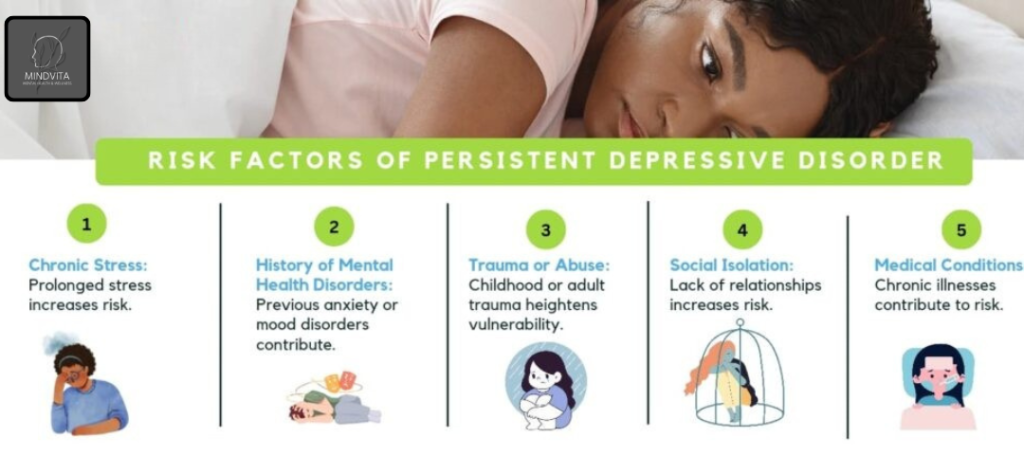
Causes and Risk Factors of Dysthymia
It is believed by mental health experts that dysthymia is caused by various factors which all work together to cause dysthymia in an individual.
Biological and Genetic Factors
The human brain is made up of chemicals which play an important role in determining how an individual feels.
The chemicals involved include serotonin dopamine and norepinephrine which all have an impact on how an individual feels their level of motivation and how they react to stress.
Therefore a person will need dysthymia treatment if the chemicals in the human brain get imbalanced.
Besides a person will need dysthymia treatment if their family has a history of mood disorders.
Psychological Risk Factors
There are also certain ways of thinking that put a person at risk of having dysthymia and they include:
- Constant self blaming
- Negative thoughts
- Inability to cope with stress
Such ways of thinking will make a person hopeless and hence the need for dysthymia treatment.
Environmental and Social Factors
Stress is also a contributing factor to dysthymia and the contributing factors include:
Work stress
Financial problems
Childhood trauma
Relationship problems
If the stress persists for many years it will make a person need dysthymia treatment.
Modern Clinical Diagnosis of Dysthymia
The first step towards successful treatment is diagnosing the illness and this is done through the best dysthymia treatment methods.
Comprehensive Psychiatric Evaluation
The first step towards the best dysthymia treatment is a psychological test done by the doctor to evaluate the patient.
The test is conducted through the following aspects of the patient’s life:
The emotional history of the patient
The way the patient functions in their day to day activities
The lifestyle of the patient
The family history of the patient
Such information will help the doctor determine whether the patient will need long term treatment for dysthymia.
Standard Screening Tools
Mental health experts will also need to conduct a psychological test to determine the level of depression in the patient’s life and this will also be included in the test for dysthymia.
The normal test will cover the following aspects of the patient’s life:
Questionnaires about the patient’s life
Mood tests
These tests help doctors determine the progress of the patient during dysthymia treatment.
Distinguishing Dysthymia from Other Disorders
Doctors need to make an in depth study of the differences between dysthymia and depression and other mental health disorders before they diagnose the illness. The disorders include:
- Major depressive disorder
- Anxiety disorders
- Bipolar disorder
- Chronic fatigue syndrome
Diagnosis of the illness is the key to the success of the treatment for dysthymia.
Evidence Based Psychotherapy for Dysthymia
Psychotherapy is considered one of the best aspects of the treatment for dysthymia.
Psychotherapy helps individuals change their way of thinking cope better with their situation and become emotionally strong.
Cognitive Behavioral Therapy (CBT)
Cognitive behavioral therapy is one of the best forms of therapy for the treatment of dysthymia.
This type of therapy helps individuals change their way of thinking for the better.
An individual who always thinks negatively about life and keeps saying Nothing will ever improve will definitely learn to change their way of thinking during the sessions.
According to studies more than half of the population shows significant improvements when treated with CBT based treatment for dysthymia.
Interpersonal Therapy (IPT)
Interpersonal therapy is based on the improvement of relationships and communication skills.
Most individuals with dysthymia experience stress or conflict within their society. IPT helps individuals overcome this while also improving their emotional support systems.
This is an enhancement of the treatment of dysthymia considering the role of social causes of depression.
Psychodynamic Therapy
Patients in this case seek the help of therapists to understand their past experiences, emotional conflicts and behavior.
This is a way of ensuring the success of the treatment of dysthymia in the long term.
Medication Options in Modern Dysthymia Treatment
The role of medication in the treatment of dysthymia cannot be underestimated especially in modern approaches to treating the disorder. This is particularly true if the symptoms of the disorder interfere with the normal functioning of the patient.
Antidepressants for instance help in the stabilization of the mood of the patient ensuring that the chemicals in the brain are balanced.
Common Medicine for Dysthymia
There are various types of antidepressants that have been used in the treatment of the disorder. These types of medicine have been regarded as the best medicine for dysthymia.
The medicine helps in the balancing of the mood chemicals in the brain ensuring that the patient overcomes the disorder.
Examples of the medicine include selective serotonin reuptake inhibitors and serotonin norepinephrine reuptake inhibitors.
The symptoms of the disorder are then evaluated after which the best medicine for dysthymia is administered to the patient.
Combination Therapy Approaches
In some cases the patient does not show significant improvements after the administration of the best treatment for dysthymia. As such the approaches to treating the disorder together with the best medicine for dysthymia have to be combined to ensure the best results.
This is a way of ensuring the best results in the treatment of dysthymia in the long term.
Monitoring Medication Effectiveness
Patients who take the best medicine for dysthymia have to ensure that they visit their doctors regularly.
The symptoms of the disorder reveal improvements
Medication tolerance
Possible side effects
Proper monitoring of the condition of the patient will ensure that the treatment of dysthymia remains effective and safe.
Lifestyle Interventions That Support Dysthymia Recovery
Lifestyle habits play a powerful role in mental well being.
Healthy lifestyle habits play a powerful role in the effectiveness of the clinical treatment of dysthymia.
Exercise and Physical Activity
Exercise is a natural way of improving one’s mood.
Exercise increases the serotonin levels in the brain.
For example one can engage in brisk walking and cycling for thirty minutes a few days a week which will improve one’s mood.
Exercise is a natural way of improving the treatment of dysthymia.
Sleep Improvement Strategies
Sleep problems affect individuals with chronic depression.
For example one should go to sleep at the same time each night and avoid the use of electronic devices during the night which will improve one’s mood.
Improved sleep will support the effectiveness of professional treatment of dysthymia.
Nutrition and Mental Health
A healthy diet has a positive effect on mental well being.
For example one should eat a healthy diet that contains omega 3 fatty acids vegetables and meat which will improve one’s mood.
A healthy diet is a powerful way of improving the effectiveness of medical treatment of dysthymia.
Emerging Innovations in Mental Health Treatment
Mental health treatment is improving with the use of innovations in the form of technology.
For example innovations may provide the necessary solutions in the treatment of dysthymia in the near future.
Neuromodulation Therapies
Mental illness does not improve in some people.
For instance in the future brain stimulation techniques could be used to treat severe cases of dysthymia.
Brain stimulation techniques would ensure that the parts of the brain associated with moods are stimulated.
Digital Mental Health Platforms
This has enabled patients to access dysthymia treatment even when they are at home.
This is particularly important since some patients live in areas where access to health services is poor.
Personalized Psychiatry
Scientists are currently studying how to use genetic tests and tests that identify markers in the body to determine which medicine for dysthymia works best.
This could make future dysthymia treatment more effective and efficient.
Long Term Management and Prevention of Relapse
Dysthymia is a condition that requires long term management rather than short term treatment.
Effective dysthymia treatment involves stability of the mind in the long term.
Building Emotional Resilience
Patients need to be helped to acquire coping skills such as mindfulness stress management and emotional regulation techniques.
This helps a patient maintain the progress they make in dysthymia treatment.
Monitoring Early Warning Signs
Early warning signs of a relapse into dysthymia include increased fatigue lack of interest in activities or social withdrawal.
This enables a doctor to make changes to dysthymia treatment before the symptoms worsen.
Maintaining Ongoing Support
Having the support of a therapist loved ones or a support group makes it easier to recover from dysthymia.
Regular sessions with a therapist will ensure that the patient maintains the progress made in the treatment of dysthymia and will prevent the occurrence of a relapse of the disorder.
When to Seek Professional Help
There are many cases of dysthymia and some people may choose to ignore it since they consider it as part of their nature or character.
Despite the many cases of dysthymia any changes in a person’s moods should always be subject to professional evaluation since it may be a symptom of dysthymia and if treated it will greatly improve the quality of life of the person experiencing the symptoms of the disorder.
Understanding the difference between dysthymia and depression the right way to conduct a dysthymia test and the right medicine for dysthymia treatment from a professional are all essential in ensuring the recovery of the patient with dysthymia.
Key Takeaways on Modern Clinical Approaches to Dysthymia Treatment
There are many approaches to the effective management of the persistent depressive disorder dysthymia as offered by modern psychiatry today.
The right way to effectively manage dysthymia involves the right medicine for dysthymia the right way to approach psychotherapy healthy lifestyle and long term management of the disorder.
Understanding the differences between dysthymia and depression and the right way to conduct a dysthymia test will ensure the right treatment is given to the patient with dysthymia at the right time.
With the right treatment the patient will eventually get over the disorder and will once again be full of drive emotion and positivity for life.
Frequently Asked Questions
What is the most effective dysthymia treatment available today?
The best treatment for the disorder is the combination of the right medicine for dysthymia and the right way to approach psychotherapy.
How do doctors identify dysthymia in their patients?
The right way to identify the disorder is through psychological interviews and the right way to make a dysthymia test.
What is the difference between dysthymia and depression?
The main difference between the two disorders is that the first one is long term with mild symptoms while the second one is severe but short term.
Can lifestyle changes improve the results of dysthymia treatment?
Yes lifestyle is an important factor that will greatly help in the success of the right way to effectively manage the disorder through the right medicine for dysthymia treatment from a professional.
When should someone consider the right medicine for dysthymia treatment?
The right way to effectively manage the disorder is through the right medicine for dysthymia treatment when the symptoms of the disorder interfere with the patient’s normal activities and the results of the right way to approach the issue of psychotherapy are not enough to effectively handle the disorder.