
In 2026, one of the most effective treatments for grave mental health conditions and for those patients who have failed to receive relief from more conventional treatments is ECT, better known as electroshock therapy. Despite its controversial history, electroshock therapy remains a very valuable modality in the management of severe depression, bipolar disorder and other mood disorders.
In this blog, we are going to dive into the world of electroshock therapy and explore its mechanism, benefits, side effects and advancement that has turned it into a safer and more effective treatment; let’s look at why it is still a crucial option for those with treatment resistant mental health conditions.
Electro shock therapy in 2026 offers renewed hope for severe mental health conditions, guided by specialists and supported through expert care from an online psychiatrist when needed.
What is Electro Shock Therapy?
More popularly known as electroshock therapy, electroconvulsive therapy is a procedure wherein a controlled electric current is passed through the brain, inducing a seizure. It has been used these many years as a therapeutic measure in treating severe psychiatric disorders where medications or therapies have not been effective.
While the idea of electroshock therapy may raise some apprehensions, it has to be firmly emphasized that in the modern practice ECT is a very regulated and safe; treatment performed in general anesthesia, ensuring pain or discomfort is not inflicted on the patients.
ECT mainly applied for severe mental health conditions including major depression, bipolar disorder and sometimes schizophrenia. It is usually tried when other treatments have not worked and gives the option of immediate relief for the patient.
Electro Shock Therapy in the Year 2026: Relevant or Not?
In 2026, the therapy is still current and its application changes with years passing by. ECT has been, until very recently, a very controversial treatment due to its after effects and the way it was portrayed in popular media as a cruel or even archaic method. Advances in medical technology and more knowledge about the human brain have modified therapy to be much less invasive, controlled and safer than ever.
Many people who have failed to respond to medications or psychotherapy resort to electroshock therapy as the last hope. The treatment has succeeded in alleviating symptoms in those patients suffering from severe mood disorders or mental health conditions that cannot be treated with conventional therapies.
Why is electroshock therapy still used today?
Electroshock therapy has found its place in modern medicine because of its undeniable effectiveness, especially for patients with:
- Severe Depression: Electroshock therapy has a history of treating patients who have been suffering from severe depression resistant to treatment. In cases where patients have failed to respond to antidepressants, psychotherapy or other forms of therapy, ECT can be a life saving treatment option.
- Bipolar Disorder: Shock treatment for bipolar disorder is another area where ECT has shown its efficacy. It helps manage severe mood swings and provides relief during manic or depressive episodes.
- Rapid Relief to Patients in Crisis: Perhaps one of the most striking reasons for the use of electroshock therapy is its speed. While medications may take several weeks or even months to take effect electro shock therapy often provides quicker relief.
How Electro Shock Therapy Works
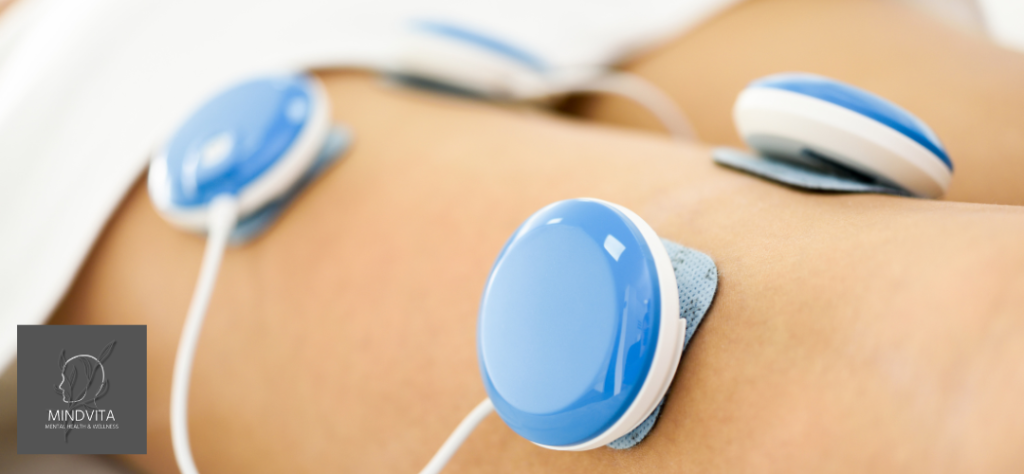
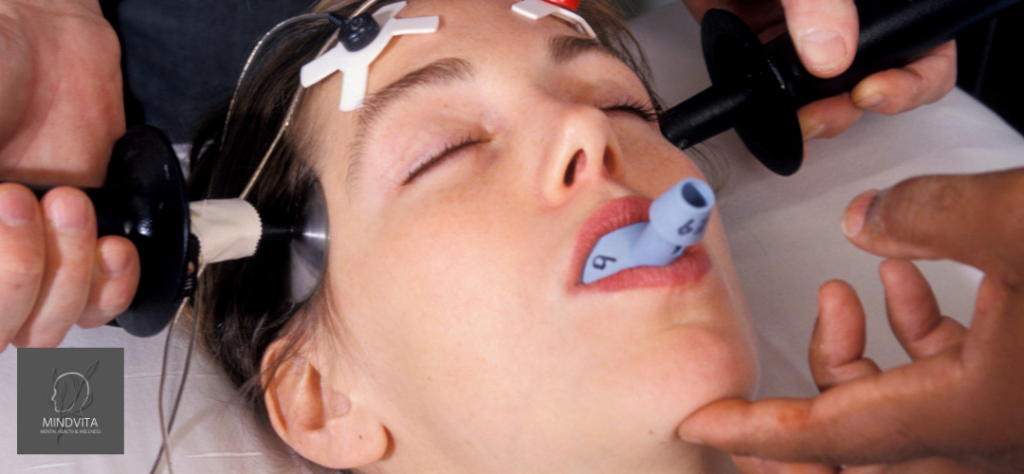
During electroconvulsive therapy, electrodes are placed on the scalp and a controlled current of electricity is passed through the brain. This causes a brief seizure that is thought to activate the release of some neurotransmitters, such as serotonin, dopamine and norepinephrine. These neurochemicals are involved in mood regulation and their release helps to relieve symptoms in people with severe major depressive disorder and bipolar disorder:
Patients also remain asleep without pain and discomfort during the treatment since the procedure involves general anesthesia. After the procedure, patients are followed up closely while they wake up and most of them continue their daily activities in a very short time.
Advances in Electro Shock Therapy
ECT has certainly come a long way from its very controversial beginnings. The procedure initially had a number of serious side effects, which included the loss of memory and confusion. However, with improvements in technique and technology electroshock therapy is considerably safer and much more effective in 2026.
More precise delivery
Today, electric currents are delivered in a much more fine tuned manner: the professionals in the field control the amount of current applied, the duration of the shock and the frequency of the treatments. This minimizes the side effects; consequently, the treatment is less invasive and more comfortable for the patients.
Reduced memory loss
One of the most common adverse effects of the treatment is amnesia. In practice today, however, ECT has reduced the incidence of amnesia. Patients may still experience some sort of memory problem, especially during the time of the treatment but these usually are temporary and do not impose lasting impairments in the patient.
Side Effects of ECT
Like any medical intervention, electroshock therapy involves some potential side effects. However, most of the previously mentioned ones are temporary and medical professionals take measures to ensure that the patient undergoes minimal discomfort.
1. Memory Loss
One of the more common side effects of ECT is a loss of memory, especially events that took place shortly before or after the treatment. This should be of little concern, however, because the loss of memory due to ECT is generally temporary. Indeed, most patients indicate that their memory is back to normal in weeks or months after the end of treatment.
2. Headaches and muscle aches
Headaches and muscle aches after ECT are relatively common. These effects are usually mild and can be treated with over the counter pain medications.
3. Confusion
Some patients may awaken from the procedure in a confused or disoriented state; this is often temporary and resolves once the anesthesia has completely worn off.
4. Heart Risks (Rare)
There is a slight chance of cardiac complications, particularly in patients with prior heart conditions. This is usually minimized through close monitoring during the procedure.
Is ECT Still Used?
Due to this stigma, one would almost immediately question, “Is ECT still used?” Contrary to the negative connotations attached to the treatment in the past, electroshock therapy is still used in 2026, mainly for those suffering from grave and treatment resistant mental health conditions.
ECT and its importance in contemporary psychiatry
ECT is still a lifesaver for many. The procedure is not a last resort but rather one that is necessary and effective for those people who cannot find relief through other treatments. Besides, improvements in its delivery have made electroshock therapy safer, more targeted and less disruptive to the quality of life of patients.
The Effectiveness of Electro Shock Therapy for Bipolar Disorder
Bipolar disorder is a condition in which a person suffers from extreme mood swings; the two poles are called manic and depressive episodes. Electro shock therapy is quite effective for patients with severe manic or depressive episodes that are uncontrollable with medication.
Shock treatment in bipolar disorder can help the mood of the patient and avert episodes of mania or depression from becoming severe enough to need hospitalization.
Frequently Asked Questions (FAQs)
1. What is the success rate for electro shock therapy?
The success rate is quite high for electroshock therapy. It is said that about 60 to 70% of the patients having ECT have gained improvement, especially those with severe depression or bipolar disorder. Many go into remission after the treatment.
2. Are there any long term side effects of ECT?
Other short term side effects may entail temporary loss of memory or confusion, but long term side effects are extremely rare. Most patients report no long term effects once they have completed their series of ECT treatments.
3. How many sessions of electro shock therapy are usually needed?
Individual condition and response to the treatment determine the number of sessions. Patients usually undergo an average of 6 to 12 every few days.
4. Does electro shock therapy hurt?
No, it is not painful; patients are given anesthesia prior to commencing the actual procedure; therefore, they are unconscious and in no pain.
5. Can I return to my normal activities after ECT?
Patients are usually advised to rest for the day and avoid strenuous activities after every session. However, most patients can easily return to daily life shortly after the treatment has concluded.
Conclusion: Is Electro Shock Therapy Right for You?
Electroshock therapy remains significant for the treatment of individuals with serious mood disorders, usually when other treatments have failed. The technology has advanced up to this day, making ECT safer and more efficient and giving huge relief to people who struggle because of their mental health condition. At MindVita, we are aware that living with severe mental health conditions can bring difficulties hence, we are here to support you. If you or someone else considers electroshock therapy do not hesitate to contact us for any advice or assistance.