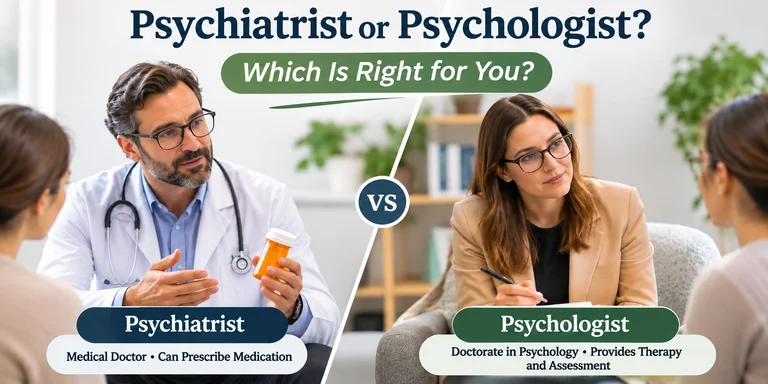
Do you feel constantly on edge, find it difficult to relax, or notice that your mind never seems to slow down? You may struggle to sit still during meetings, fall asleep at night, or stay focused on everyday tasks. Restlessness is a common symptom of anxiety disorders and can affect both your mind and body. Understanding why it happens and how it can be treated is an important step toward feeling calmer, more focused, and more in control of your daily life.
If restlessness is making it harder to focus, sleep, or enjoy everyday activities, you are not alone. These symptoms can affect your mood, productivity, and overall quality of life. At MindVita, we help you understand the causes of restlessness, identify underlying factors that may be contributing to your symptoms, and create a personalized treatment plan that fits your needs and goals. Schedule a consultation today to begin your path toward calmness, stability, and improved mental health.
Why Does Restlessness Develop in Anxiety Disorders?
When you live with ongoing anxiety, your brain may stay on high alert even when there is no immediate danger. This can make it difficult to relax, sit still, or switch off racing thoughts. Over time, this constant state of alertness may lead to physical tension, poor sleep, and persistent feelings of restlessness.
According to Healthdirect Australia [1], restlessness can occur when you feel unable to relax or settle your mind and body. It is often linked with anxiety or stress and may cause ongoing unease and difficulty settling your thoughts. This condition can affect your ability to focus and carry out normal daily activities, especially when symptoms continue for a longer period.
What Symptoms of Restlessness Should You Never Ignore?
You should pay attention when restlessness starts affecting your daily life. You may feel unable to sit still, relax, or focus on simple tasks. You may feel a strong urge to keep moving and find it hard to relax. You may also find it difficult to fall asleep or stay asleep because your mind feels constantly active. Along with this, inner tension and irritability may increase. When these symptoms persist and begin affecting your daily life, they may be a sign that anxiety is contributing to your restlessness.
These are some common signs you should look out for in restlessness:
- Feeling unable to stay calm or still for even a short time
- Thoughts moving too fast to control or slow down
- Trouble completing simple tasks due to poor focus
- Sleep getting disturbed or feeling unrefreshing
- Body tension like tight muscles or inner pressure
- Small issues feeling more stressful than usual
- Ongoing sense of unease without a clear reason
If these symptoms continue, they may signal deeper anxiety-related concerns rather than temporary stress. Over time, untreated symptoms of restlessness can affect your productivity, relationships, and overall mental health. Seeking timely support helps you understand triggers and manage restlessness in anxiety disorders more effectively through proper guidance and treatment.
How Does Restlessness and Insomnia Affect Your Daily Life?
When restlessness keeps you awake at night, the effects often continue into the next day. You may struggle to concentrate at work, feel irritable with family members, or find it difficult to stay motivated. Over time, poor sleep and ongoing anxiety can create a cycle that makes both restlessness and exhaustion harder to manage.
According to WebMD [2], insomnia is often linked with ongoing stress, anxiety, and changes in mental and physical health that disrupt normal sleep patterns. It can make it hard for you to fall asleep, stay asleep, or feel fully rested after waking. Over time, poor sleep quality may increase irritability, reduce concentration, and worsen restlessness in anxiety disorders, creating a cycle that affects both mood and daily functioning.
How Do Mental Health Professionals Diagnose Restlessness in Anxiety Disorders?
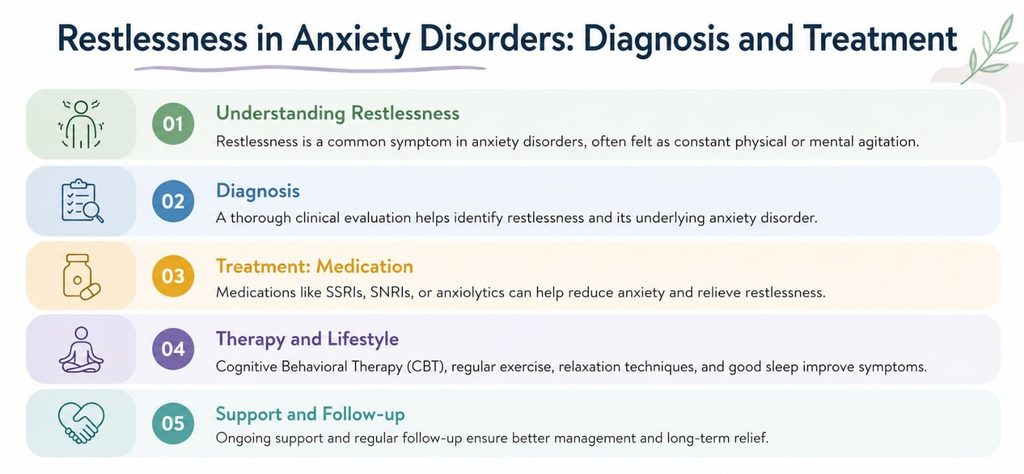
If restlessness has been affecting your daily life, a mental health professional can help determine whether anxiety may be contributing to your symptoms. They will ask about your symptoms, daily routine, sleep patterns, stress levels, and how long the restlessness has been affecting you. Questionnaires and standard criteria help them understand if your condition is linked to restlessness in anxiety disorders or something else.
Psychiatric providers may also use DSM-based guidelines and screening tools to get a clear picture of your mental health. They carefully review your medical history and check for physical causes such as thyroid imbalance or side effects of certain medications. Sometimes, simple psychological tests are used to measure anxiety levels. This careful process helps them confirm the cause and plan proper care for symptoms of restlessness.
Which Treatments Work Best for Restlessness in Anxiety Disorders?
Managing restlessness often involves a combination of therapy, healthy lifestyle habits, and professional support tailored to your needs. You may feel better with therapy that helps you manage thoughts and emotions in a calm way. Psychiatric providers may also recommend medication when anxiety symptoms become difficult to manage or begin affecting daily life. Along with this, healthy routines, stress control, and relaxation practices work together to lower restlessness in anxiety disorders and support long-term stability.
Therapy Strategies for Managing Restlessness
Talking therapy helps you understand why your mind feels overactive. It guides you to notice negative thoughts and replace them with calmer thinking. With regular sessions, you learn simple ways to handle stress and reduce inner pressure linked with restlessness in anxiety disorders.
When Medication May Be Recommended
In some cases, psychiatric providers may suggest medicine to help balance brain activity. This can reduce strong anxiety signals like tension, fear, and poor sleep. It is usually used with therapy to manage restlessness in anxiety disorders more effectively and safely.
Lifestyle Changes That Support Recovery
Simple habits like sleeping on time, eating balanced meals, and reducing caffeine can make a big difference. Light exercise and breathing techniques also help your body relax. These small changes support long-term control of restlessness in anxiety disorders.
Relaxation Techniques for Ongoing Symptom Management
Stress relief activities like meditation, journaling, and slow breathing help calm your nervous system. They reduce mental overload and improve focus during the day. Practicing them regularly helps you feel more stable and lowers restlessness in anxiety disorders over time.
According to Mayo Clinic [3], effective treatment for anxiety-related restlessness usually includes psychotherapy and medications depending on symptom severity. Talk therapy, especially cognitive behavioral therapy, helps you identify and change thought patterns that trigger anxiety and physical tension. In more severe cases, psychiatric providers may prescribe antidepressants or anti-anxiety medications to reduce symptoms. These treatments work together to improve emotional control, reduce restlessness in anxiety disorders.
Take the First Step Toward Relief From Restlessness With MindVita Today
You may find yourself constantly checking the clock at night, struggling to focus during conversations, or feeling unable to relax even when your responsibilities are finished. Over time, this ongoing restlessness can leave you mentally exhausted and make everyday activities feel more difficult than they should.
At MindVita, we understand how ongoing restlessness can feel. That is why we work closely with you to identify the root causes of your symptoms and create a personalized treatment plan. Through professional support, evidence-based therapies, and practical coping strategies, we help you regain balance, improve your quality of life, and move forward with greater confidence. Contact us today and start your journey toward a calmer mind and long-term relief from restlessness.
FAQS
Is restlessness always a sign of anxiety disorders?
No, restlessness is not always a sign of anxiety disorders. It can also result from stress, lack of sleep, too much caffeine, certain medications, or some medical conditions. However, if restlessness continues for a long time or affects daily life, it is important to seek professional help and guidance.
Can anxiety-related restlessness affect sleep quality?
Yes, anxiety-related restlessness can affect sleep quality. When your mind stays active and your body feels tense, it becomes harder to fall asleep or stay asleep. As a result, you may wake up feeling tired and less refreshed. Over time, poor sleep can also make anxiety symptoms feel worse.
What is the difference between normal nervousness and chronic restlessness?
Normal nervousness usually appears before a specific event and goes away once the situation passes. In contrast, chronic restlessness lasts longer and may occur even without a clear reason. It can affect your sleep, concentration, and daily activities, making it more disruptive than temporary feelings of nervousness.
Why do I feel restless even when nothing seems wrong?
You may feel restless even when there is no obvious problem because anxiety can keep your mind and body in a state of heightened alertness. Stress, poor sleep, caffeine, and underlying anxiety disorders can all contribute to ongoing feelings of unease. A mental health professional can help identify possible causes and recommend appropriate treatment.
When should you seek professional help for restlessness?
You should seek professional help if restlessness lasts for several weeks, disrupts your sleep, affects your work or studies, or makes daily activities difficult. In addition, if you feel constantly on edge, struggle to relax, or notice worsening anxiety symptoms, a mental health professional can help identify the cause and recommend effective treatment.