
The provision of mental health services relies on an organized system for naming mental health disorders. The most popular system for naming mental health disorders globally is the International Classification of Diseases 10th Revision published by the World Health Organization. The ICD-10 is an organized system for classifying diseases ensuring that doctors across the world can diagnose diseases identically.
The ICD-10 system states that bipolar disorder is categorized as a mood disorder that is characterized by cycles of mania hypomania and depression. Understanding the definition of bipolar disorder by the ICD-10 system will enable doctors to easily identify the disorder. This will therefore enable them to provide appropriate treatments for the disorder.
In our discussion we will focus on the definition of bipolar disorder by the ICD-10 system types of episodes how it is diagnosed and how it manifests itself differently in various people.
Bipolar disorder is complex, with various types and symptoms that impact daily life. Consulting an online psychiatry can help understand how ICD-10 classifications shape diagnosis and treatment approaches effectively.
Understanding the ICD-10 System
The ICD-10 is the worldwide standard for classification of diseases and other health conditions. The system is used by medical practitioners to record information monitor trends and provide treatments.
The ICD-10 system states that mental health disorders fall under chapter V which covers mood behavior and thinking disorders. In the ICD-10 system the term ‘icd 10 bipolar disorder’ is categorized under mood disorders which is referred to as affective disorders.
The system will enable medical practitioners to identify exactly what stage or type of episode their patients are going through. This will therefore improve communication between medical practitioners ensuring that they provide appropriate documentation for their patients. Furthermore it will improve communication among mental health researchers all over the world.
What Is Bipolar Disorder
Bipolar disorder is a mental disorder that is usually described in terms of the dramatic changes in the individual’s moods, their energy and their level of activity.
In simpler terms bipolar disorder is the change in the individual’s moods which may vary from high to low.
In the context of the ICD-10 system the definition of bipolar disorder in the icd 10 bipolar disorder classification is the occurrence of two or more disorders related to moods one of which is mania or hypomania. In the context of bipolar disorder the process of diagnosing the disorder is complex.
ICD-10 Definition of Bipolar Disorder
In the context of the ICD-10 system the definition of bipolar disorder in the icd 10 bipolar disorder classification is the occurrence of a recurring disorder that is usually associated with cyclic changes in the individual’s moods. The defining features of the disorder include the occurrence of recurrent moods the occurrence of changes in the individual’s level of activities and the occurrence of emotional changes that are usually of sufficient significance to affect the individual’s daily activities. The defining feature of the disorder is that the individual should experience the occurrence of mania or hypomania. In the context of bipolar disorder the disorder is usually diagnosed by taking into account the individual’s moods their behaviors and their mental health history. The defining feature of the disorder is that the disorder should not be associated with the occurrence of substances and medical conditions.
ICD-10 Code Category for Bipolar Disorder
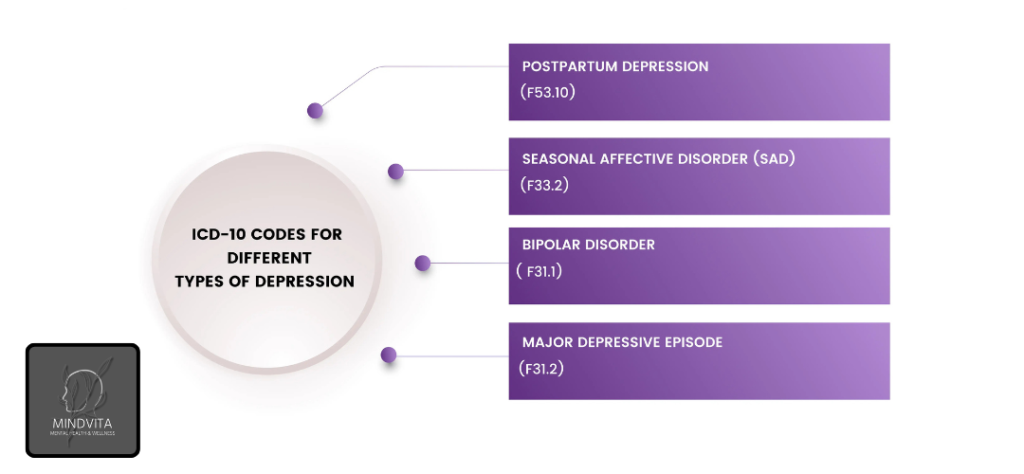
In the context of the ICD-10 system the ICD 10 bipolar disorder is categorized under the code F31 which refers to the code category for bipolar affective disorders. Each code category is usually characterized based on the mood that the individual is in at the time of the disorder.
For instance the individual could be in a manic, depressive or mixed state. This is the defining factor in the type of treatment that is to be used to cure the condition.
Types of Bipolar Disorder Episodes in ICD-10
Hypomanic Episode
The hypomanic episode is the less severe version of the manic episode and the individual in this stage is characterized by unusually high energy, productivity and optimism such as when the individual takes up many projects or is overly confident when in public places. Although this is a temporary state it is an important sign in the diagnosis of the disorder and there is a belief that there is an increase in emotional expression and eye contact referred to as “bipolar eyes.”
Manic Episode Without Psychotic Symptoms
The manic episode is the severe version of the hypomanic episode. During this stage the patient is characterized by extreme excitement, impulsivity and lack of sleep. For instance the patient may only get a few hours of sleep but is highly energetic throughout the day. The patient is also characterized by impaired judgment leading to reckless spending and impulsivity. The bipolar disorder diagnosis takes a keen look at the behavior of the patient during this stage.
Manic Episode With Psychotic Symptoms
Bipolar disorder is also characterized by the manic episode with psychotic symptoms. During this stage the patient is characterized by hallucinations and delusions. For instance the patient may feel that they have special powers or feel overly important. The symptoms experienced during this stage are severe and significantly impair the patient’s judgment. The episodes experienced during this stage include extreme behavior intensity, facial expressiveness, and the “bipolar eyes” look.
Bipolar Disorder with Mild or Moderate Depression
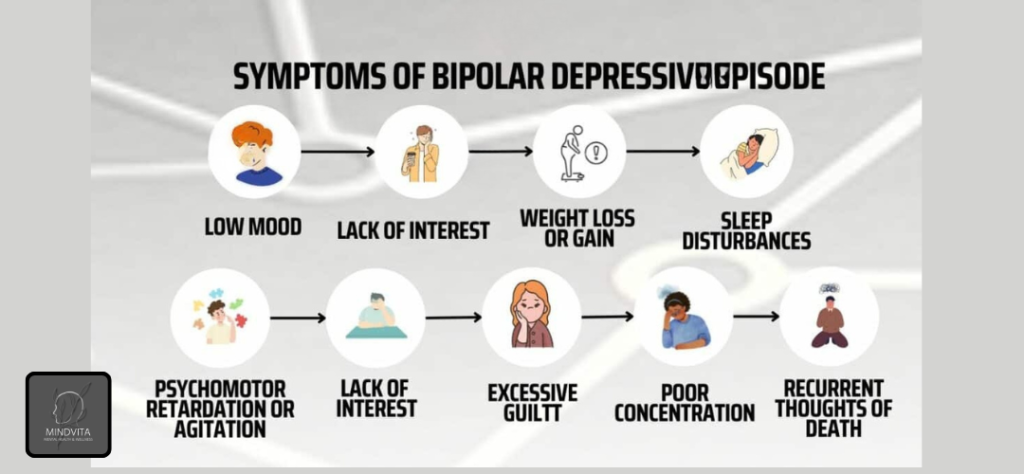
Depression is another symptom associated with bipolar disorder. At this stage, the patient feels extreme sadness and low mood. The symptoms that the patient experiences at this stage are lack of interest in activities, lack of concentration and sleeping problems. According to research, depression episodes occur more frequently in females than in males. This helps in the diagnosis of the disorder.
Severe Depression Without Psychotic Symptoms
The depression felt by the patient at this stage is extreme thus affecting the normal activities of the patient. At this stage the patient feels extreme sadness and low mood. The symptoms that the patient experiences at this stage are lack of interest in activities, lack of concentration and sleeping problems. The depression felt by the patient at this stage is extreme thus affecting the normal activities of the patient. The symptoms that the patient experiences at this stage are lack of interest in activities, lack of concentration and sleeping problems. The depression felt by the patient at this stage is extreme thus affecting the normal activities of the patient. The symptoms that the patient experiences at this stage are lack of interest in activities, lack of concentration and sleeping problems.
The depression felt by the patient at this stage is extreme thus affecting the normal activities of the patient. The symptoms that the patient experiences at this stage are lack of interest in activities, lack of concentration and sleeping problems. The depression experienced during this stage is severe and significantly interferes with the patient’s normal activities.
The individual will also have a mixed episode if he or she is in both manic and depressed states at the same time. This is one of the most complex cases of bipolar disorder. This could mean that the individual is highly restless and hopeless at the same time. These are the signs that the doctor will be looking for when he or she is going to diagnose the individual with the disorder.
Bipolar Disorder in Remission
There are times when the symptoms of bipolar disorder go into remission. This is the time when the individual is no longer in the bipolar disorder state. Even though the individual is no longer in the bipolar disorder state he or she will still have to be monitored. This is because the individual will have to undergo therapy and medication to ensure that he or she does not go back into the bipolar disorder state. The doctor will still be looking for the signs of bipolar disorder in the individual’s life.
Bipolar Disorder Diagnosis Process
In order for the individual to be diagnosed with bipolar disorder the individual will have to go for mental health counseling. This is the process that the doctor will use to diagnose the individual with the disorder. The process of diagnosing bipolar disorder in an individual will involve the following steps:
- History of the individuals moods
- Whether the individual has manic episodes in his or her life
- Degree of the individuals depression
- Degree of the individuals impaired functions
In addition to the above steps the doctor will also take into consideration the physical signs and emotional displays shown by the individual. These physical signs may include the individual showing excessive eye movement.
This is one of the physical signs of bipolar disorder in the individual. However this is not enough for the doctor to make the final diagnosis of the individual suffering from bipolar disorder. This is the supportive evidence that the doctor will use to make the final diagnosis of the individual.
Bipolar Disorder Symptoms in Females
Studies have shown that the symptoms of bipolar disorder differ between the male and female population. For the female population the individual diagnosed with bipolar disorder using the ICD 10 classification will show more frequent episodes of depression, emotional sensitivity and changes in their moods. These are the symptoms of bipolar disorder in the female population.
These may also be due to the hormonal changes in the body of the individual. These may also occur in the case of pregnancy, postpartum and menopause in the female population. These are the physical signs that the doctor will look for in the individual diagnosed with bipolar disorder using the ICD 10 classification.
Physical and Behavioral Signs of Bipolar Disorder
In addition to the above emotional signs the individual diagnosed with bipolar disorder may also show physical signs. These physical signs may include the following:
Impulsive decisions
The eyes of the individual may also show unique characteristics. This phenomenon is called bipolar eyes. Even though this is not used as one of the diagnostic criteria this is an interesting phenomenon that may occur in the individual suffering from the disorder.
The Importance of Accurate Classification
The correct application of the ICD-10 system is of immense value in the administration of care to individuals with the disorder. Accurate diagnostic tools are helpful in the selection of the appropriate treatment methods and the application of the ICD system is helpful in the determination of the prevalence of the disorder in the world population. It is estimated that 1 to 3 percent of the world population is affected by the disorder.
The Transition to the New Diagnostic Tools
The medical community is gradually adopting the ICD-11 system which is helpful in the application of precise diagnostic tools that are technologically friendly. Though the new system is gaining popularity in the medical community the ICD-10 system is used in the diagnosis of individuals with bipolar disorder. The new system is precise in the application of the different types of mental health disorders that are experienced by individuals with the disorder.
The Conclusion
The above essay has presented an overview of the ICD-10 system in the diagnosis of bipolar disorder. It is clear that the system is used in the diagnosis of the disorder and it is used in the determination of the different types of manic, depressive and mixed episodes that are experienced by individuals with the disorder. Accurate evaluation of the disorder is helpful in the determination of the type of bipolar disorder that an individual is suffering from. Awareness of the different types of patterns that are experienced by women with the disorder as well as the application of bipolar eyes is helpful in the administration of appropriate care to individuals with the disorder.
Frequently Asked Questions
How is icd 10 bipolar disorder diagnosed by doctors?
icd 10 bipolar disorder is diagnosed by doctors based on the history of manic, hypomanic, depressed and behavioral episodes as revealed in a psychiatric interview.
Why is it hard to identify the symptoms of bipolar disorder in females?
Bipolar disorder is characterized by strong periods of depression and anxiety and this makes it hard to identify especially in females.
Are the eyes of someone with bipolar disorder a symptom of the illness?
The term Bipolar disorder eyes is not recognized as a medical symptom although some researchers have observed that the eyes of someone with bipolar disorder express strong symptoms especially when they are in a manic state.
What other illnesses may be mistaken for icd 10 bipolar disorder?
Bipolar disorder is mostly confused with other illnesses especially at the beginning and this includes depression, anxiety and stress although it is identified as having periods of mania and hypomania.
Can icd 10 bipolar disorder go into remission?
Bipolar disorder is capable of going into remission and this means that someone with the illness is able to recover although it is important to take medication to prevent relapse.
The above information is for educational purposes and should not be taken as medical advice.