Electroconvulsive therapy, also known as electro shock therapy, is a very effective psychiatric treatment for people with serious mental illnesses who have not responded to other treatments. While electro shock therapy has had a questionable past in films and media, modern electroconvulsive therapy is a safe, controlled and very effective treatment for thousands of patients who have regained control of their lives. At Mindvita, we are committed to providing accurate and research supported information to empower patients to make informed decisions about their mental health treatment.
Electroconvulsive Therapy (ECT) is a medically supervised treatment for severe mental health conditions, used when other therapies fail, with guidance from an online psychiatrist, ensuring safety, effectiveness, and patient monitoring.
What is Electroconvulsive Therapy?
Electro shock therapy is the controlled administration of small electrical currents to stimulate a therapeutic seizure in the brain. The seizure induces chemical and physical alterations in the brain that can help alleviate depression, enhance mental functioning and enhance behavior.
Electro shock therapy is commonly used to treat the following conditions:
- Severe depression that has not responded to other treatments
- Bipolar disorder
- Catatonia
- Acute psychosis and suicidal thoughts
While it has been portrayed in films as a questionable treatment, electroconvulsive therapy is now a safe, controlled and very effective treatment that uses anesthesia, muscle relaxants and monitoring. Research has clearly demonstrated that electroconvulsive therapy is more effective than pharmacological therapy alone in treating severe psychiatric disorders. For instance, research has shown that electro shock therapy has produced a positive response in as many as 80% of patients with treatment resistant depression.
How Electro Shock Therapy Works
Although the mechanism of electro shock therapy is not yet understood, researchers have found a number of ways in which electro shock therapy is beneficial.
Neurotransmitter Regulation
Electroconvulsive therapy increases the levels of serotonin, dopamine and norepinephrine, which are highly important neurotransmitters that regulate mood. This helps alleviate symptoms of depression, anxiety and psychosis.
Neuroplasticity and Brain Connectivity
The convulsive seizures caused by ECT may increase neuroplasticity, which may help to restore the functional connectivity of the brain regions that are involved in mood regulation and emotional processing. Studies of brain imaging have revealed changes in the hippocampus and prefrontal cortex after electro shock therapy.
Reduction of Suicidal Behavior
Studies have revealed that patients undergoing ECT therapy demonstrate a rapid reduction in suicidal behavior, which can be seen in the first one to two weeks of therapy. This makes electro shock therapy a very important part of psychiatric therapy.

Conditions Treated With Electroconvulsive Therapy
Major Depression
Patients with treatment resistant depression, meaning that the depression is not responsive to medications and psychotherapy, can benefit the most from ECT therapy. Symptoms of this condition may include feelings of sadness, hopelessness, loss of interest in activities, and difficulty functioning on a daily basis.
Clinical trials have revealed that electro shock therapy can help patients achieve remission of symptoms in 70-90% of severe depression cases, making it one of the most effective therapies available. For comparison, antidepressants have a response rate of 40-60% in treatment resistant depression.
Example: A patient with treatment resistant depression, who has not responded to several antidepressants over the years, can show marked improvement after only 6-8 ECT therapy sessions.
Shock treatment Bipolar
Shock treatment in bipolar disorder is most effective in the case of severe depressive or manic attacks. ECT therapy can also help to immediately normalize the mood, especially in the case of shock treatment resistant bipolar disorder or in cases when patients display dangerous manic behavior.
Studies have also shown that patients with acute mania or rapid cycling can benefit from ECT therapy when medications are ineffective. In some cases, ECT therapy can also prevent hospitalization or the need for high dose medications.
Catatonia
ECT therapy is life saving in the case of catatonia, a condition of severe immobility, mutism, or stupor that is often associated with mood disorders or schizophrenia. The response rate to electro shock therapy in catatonia is over 80%, making it a treatment of choice in many clinical protocols.
Example: In catatonia, a patient who is unable to eat or move for a few days can experience significant improvement after only one or two ECT sessions, regaining basic functions within a short period of time.
Other Psychiatric Conditions
- Severe obsessive-compulsive disorder (OCD) that is unresponsive to treatment
- Acute psychosis that is unresponsive to medication
- Postpartum depression with severe psychotic symptoms
ECT therapy is also being explored in experimental research for the treatment of post traumatic stress disorder (PTSD) and some neurodegenerative disorders, although these applications are still in their infancy and are highly specialized.
Who Should Undergo Electroconvulsive Therapy?
Patients with severe depression or bipolar disorder who are unresponsive to medications are the best candidates for ECT therapy.
- Patients with psychotic symptoms or suicidal thoughts are also ideal candidates.
- Patients who cannot tolerate psychiatric medications are also ideal candidates.
- Patients who require urgent relief of symptoms due to acute risk are also ideal candidates.
Pregnancy Related Considerations
Pregnant women with severe depression can safely undergo electro shock therapy under specialized care. ECT therapy is free from potential risks associated with psychiatric medications and can also prevent maternal or fetal complications due to untreated depression.
Age Related Considerations
ECT therapy is safe in adults of all ages, including older adults. Special attention is given to elderly patients due to the presence of potential comorbidities such as cardiovascular disease.
The Electro Shock Therapy Procedure
Pre Treatment Evaluation
Before undergoing the ECT treatment, patients undergo a comprehensive evaluation, which includes:
- Medical history and physical examination
- Blood work and ECG for heart rate monitoring
- Psychiatric evaluation to determine appropriateness for treatment
During Treatment
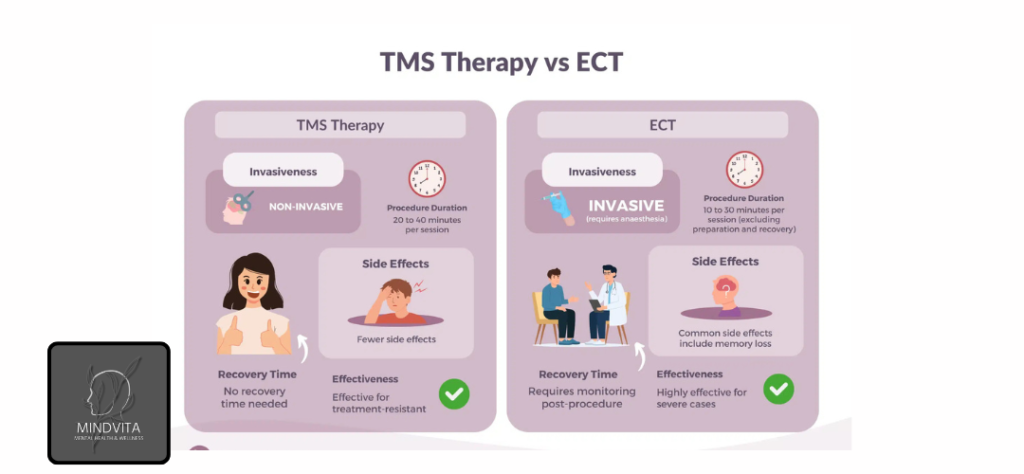
Patients undergo general anesthesia to induce sedation, along with muscle relaxants to prevent body movement. Electrodes are placed on the scalp, either unilaterally (single side) or bilaterally (both sides), depending on the treatment protocol. A brief, controlled electric current is administered to induce a seizure lasting 30-60 seconds. Vital signs are continuously monitored.
Post Treatment Recovery
Patients are monitored for 30-60 minutes after each treatment session. Transient confusion, disorientation, or fatigue occurs but usually resolves within a few hours. Follow-up treatments are required to ensure sustained improvement and can be done on a weekly or monthly basis for maintenance therapy.
Effectiveness of Electro Shock Therapy
Electro shock therapy is one of the most effective treatments for severe psychiatric disorders:
- Major depression: 70-90% response rate
- Bipolar disorder: Rapid relief of symptoms and stabilization of mood
- Catatonia: Over 80% response rate
Research has demonstrated that ECT therapy is more rapid in onset than pharmacological therapy, which is essential in patients with suicidal ideations or life-threatening psychiatric disorders. A meta analysis published in the Journal of Clinical Psychiatry in 2020 confirmed that patients who received electro shock therapy experienced more consistent symptom relief than patients who received pharmacological therapy alone.
Example: In patients with severe and treatment resistant depression, improvement in mood can be observed after the first two treatment sessions, within one week.
Safety and Side Effects
ECT therapy is safe when conducted under the guidance of an experienced professional. The most common side effects include:
Temporary confusion or disorientation
- Headache
- Muscle soreness
- Mild nausea
Memory and Cognitive Effects
- Loss of short term memory is common but usually temporary, lasting only weeks
- Retrograde amnesia (memory loss of events prior to treatment) can occur
- Techniques such as unilateral electrode placement or reduced electrical intensity can reduce cognitive side effects
LongTerm Safety
Many studies have already proven that modern electro shock therapy does not cause permanent brain damage. At Mindvita, measures are taken to ensure that the risks are minimal.
Risks and Contraindications
Although ECT therapy is safe for patients, the following medical conditions require extreme caution:
- Heart disease or arrhythmias
- Recent stroke or brain injury
- Severe Respiratory Illness
Absolute contraindications are not common. Thorough pre therapy assessment ensures that patients receive electro shock therapy only when the potential benefits clearly outweigh the risks.
Electroconvulsive Therapy vs Other Therapies
Medication vs ECT Therapy
Medications take weeks to demonstrate effectiveness, but electro shock therapy can offer immediate relief, making it an essential alternative therapy option for emergency psychiatric care.
Psychotherapy vs ECT Therapy
Psychotherapy is an effective treatment for mild to moderate disease, but severe depression, suicidal behavior, or psychotic episodes may necessitate ECT therapy for immediate relief.
Transcranial Magnetic Stimulation (TMS)
TMS is a surgical alternative for depression treatment but is slower acting and less effective than electro shock therapy.
Myths and Misconceptions
Pain: ECT therapy is painless because of anesthesia.
Brain damage: ECT therapy prevents permanent damage.
Obsolescence: Is ECT still practiced? Yes. ECT therapy is still practiced today for the treatment of depression, bipolar disorder and catatonia.
Stigma: Electro shock therapy is a highly regulated and evidence based therapeutic practice today, not as depicted in popular media.
What to Expect After Electroconvulsive Therapy
- Confusion or fatigue
- Improvement in mood and functioning
- Follow-up appointments
- Maintenance therapy to prevent relapse
Patients generally experience an improvement in their mood within the first one to two weeks of ECT therapy, especially in the case of treatment resistant depression.
- Ethical and Legal Considerations
- Informed consent is mandatory
- Legal safeguards for patients who lack decision-making capacity
- Ethical standards for administration and patient safety
Frequently Asked Questions
Does Electro Shock Therapy Hurt?
No. Electroconvulsive therapy is performed under anesthesia and the patient will not feel any pain. Headaches and soreness may be experienced later, but these are only temporary.
What Are the Side Effects of ECT?
Confusion, memory loss, headaches and mild nausea are some of the side effects of ECT. However, these side effects are not long term.
Is ECT Therapy Safe During Pregnancy?
Yes. Electroconvulsive therapy is actually safer than using medications during pregnancy, as long as the patient is monitored closely for both mother and child.
How Long Does It Take for Electro Shock Therapy to Work?
Improvement in mood is experienced within 1-2 weeks and the full effects of ECT are realized after 6-12 sessions.
Is ECT Still Used Today?
Yes. Modern electro shock therapy is still widely practiced today for the treatment of severe depression, bipolar disorder and catatonia. Modern equipment and anesthesia make it safe and effective.