
Psychiatric medications have become an integral modality of treatment for psychiatric disorders such as depression, anxiety disorders and bipolar disorder. While not everyone needs psychiatric medications these are the most powerful tools toward better mental well being, together with therapy. This article aims to explore the effect psychiatric medications have on the brain, the various kinds of psychiatric medications and their benefits and risks.
MindVita practitioners believe in clear helpful information to allow each person to make an informed choice about the treatment options available. Thus if you are considering psychiatric medications for anxiety and depression or simply wonder how psychiatric medications affect the brain, this guide shall give a comprehensive understanding.
Psychiatric medications help balance brain chemicals, easing symptoms and supporting recovery. Combined with mental health counseling, they improve stability, reduce distress, and enhance overall well-being for many individuals.
What are psychiatric medications?
Psychiatric medications are used to treat mental health disorders: mood disorders of depression and bipolar disorder, anxiety disorders and psychosis. They balance the chemicals in the brain, known as neurotransmitters, which are important regulators of mood, emotion and behavior. Affecting the chemistry of the brain, psychiatric medications reduce or eliminate symptoms of such mental health conditions thus improving the general health and functioning of a person.
These psychiatric drugs are available in oral form such as pills and liquids and as injections. These medications treat specific symptoms; they are therefore prescribed based on the patients’ individual needs and diagnosis.
How psychiatric drugs affect the brain.
More than 60 neurotransmitters are involved in the working of the brain: regulating mood, balancing emotions, concentrating and even controlling heart rate and breathing. Psychiatric medications work to balance these neurotransmitters as a way to help improve brain health.
Neurotransmitters affected by psychiatric drugs include:
Serotonin: It is one of the most vital neurotransmitters, controlling mood; it has commonly been referred to as the “feel good” neurotransmitter.
Dopamine is generally associated with the term “reward,” though it is generally considered to play a role in motivation and pleasure, too and sometimes even cognitive functions like attention and memory.
Norepinephrine governs attention and also takes part in the reaction of the body to stress.
Gamma Aminobutyric Acid or GABA: This is generally an inhibitory neurochemical that has tranquilizing effects within the brain and has its role in modulating anxiety and stress.
Certain psychiatric drugs act on a subset of neurotransmitters and modulate their functions. These reduce symptoms like anxiety, depression and mood swings inducing stability in the emotions and the mind.
Common Types of Psychiatric Drugs
There are several classes of psychiatric drugs, all designed to treat specific mental health conditions. Let’s take a closer look at the most common types of psychiatric drugs and how they work.
1. Antidepressants
The main application of antidepressants is for treating depression, though they can also be very useful in anxiety disorders. By increasing the levels of serotonin, dopamine or norepinephrine in the brain they help improve mood and increase emotional stability.
Psychiatric Medications for Anxiety and Depression: Antidepressant medications are commonly prescribed for individuals suffering from anxiety and depression. Psychiatric medications for anxiety and depression help normalize neurotransmitter activity in the brain, which reduces symptoms of sadness, hopelessness and anxiety. By balancing these neurotransmitters psychiatric medications for anxiety and depression can significantly improve the quality of life for individuals struggling with these mental health challenges.
Following are some common antidepressants from among several classes:
- Selective serotonin reuptake inhibitors (SSRIs)
- Serotonin and norepinephrine reuptake inhibitors
- Tricyclic antidepressants include
2. Antipsychotics
Antipsychotic medications are used to treat severe mental health disorders including schizophrenia and bipolar disorder. These drugs are typically meant to control symptoms of psychosis which include delusions and hallucinations.
What are antipsychotics and how do they help?
Antipsychotic medications work by targeting the dopamine receptors in the brain to reduce excessive activity of the neurotransmitter. This can reduce symptoms of psychosis such as delusions or hallucinations and helps to stabilize mood swings associated with bipolar disorder.
Some common types of antipsychotic medications include:
- Atypical Antipsychotics
- Typical Antipsychotics
3. Mood Stabilizers
Generally bipolar disorder is treated using mood stabilizers. These medications balance the mood swings of the patient by decreasing manic and depressive episodes.
Psychiatric Medications for Bipolar Disorder:
Mood stabilizers can reduce the frequency and extent of mood swings. Stabilization of mood may permit improvement in daily functioning as well as decrease the risk for suicidal ideation that may be associated with manic or depressive states.
4. Anxiety
Generally, anxiolytics are used to treat anxiety disorders including generalized anxiety disorder, panic disorder and social anxiety disorder. They help by lessening the overactivity of the nervous system that produces anxiety.
Psychiatric medications for anxiety: Anxiolytic medications including a class of medications called benzodiazepines, among others, relieve symptoms of anxiety. They take action by calming the nervous system to reduce feelings of excessive worry and fear.
5. Stimulants
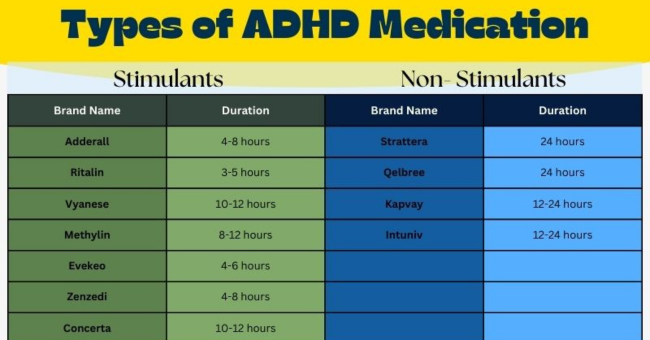
Stimulants are also widely used for treating ADHD and narcolepsy. They raise the levels of dopamine and norepinephrine in the brain thereby improving attention and reducing impulsivity.
How psychiatric medications for ADHD work.
These medications also help an individual to focus, become less hyperactive and keep impulsive behavior under control. Stimulants work by increasing the level of dopamine and norepinephrine in order for people with ADHD to function appropriately at school, in the workplace and in life generally.
Benefits of Psychiatric Medications
Particularly psychiatric medications have proved to be of immense benefit especially when combined with other forms of therapies such as psychotherapy and modifications in lifestyle. Some of the important advantages of psychiatric medications include the following:
1. Better quality of life
Psychiatric medications are among the key treatments; most of them help restore the quality of life among mentally ill persons. Such drugs reduce symptoms of anxiety, depression and mood swings that have hindered people from enjoying life.
2. Stabilized emotions
Psychiatric medications can be very effective in helping a person sustain emotional stability with mood disorders such as bipolar disorder or major depression thereby significantly improving daily functioning and interpersonal interactions.
3. Symptom reduction
Psychiatric medications can reduce the severity of symptoms of excessive anxiety, sadness or psychosis, making it easier to work, enjoy social activities and get along with others which translates into the potential for improved functioning.
4. Restoring function
Psychiatric medication returns a person to functioning levels of activity through elevating mood or clarifying thinking. Through the act of returning to work, school or to life with others psychiatric medications may offer an avenue to improvement both in mental health and functionality.
Risks and Precautions of Psychiatric Medications
While psychiatric medications can bring important benefits there are also some risks and side effects.
These may include :
- Dry mouth
- Weight gain
- Drowsiness
- Nausea
- Fatigue
- Sleep disturbances
Other serious but less common side effects include seizures, allergic reactions and suicidal ideation. It is very important to be aware of the occurrence of any side effects and discuss them with your health practitioner. Such steps will enable your psychiatrist to adjust your treatment plan if necessary to reduce these risks.
Delayed Onset of Effectiveness
Perhaps one of the most important things to know about psychiatric medications is that they may not produce immediate results. Some medications may take weeks or even months, before noticeable improvement is evident. It is during these times that patients are encouraged to be patient and report their progress regularly to the doctor.
How to choose the right psychiatric medication for you?
The choice of medication in psychiatry is very individualized. Since people can respond differently to different medications, some time and trial and error testing might be required to find the right one. The most important thing is to work with your healthcare provider to find which medication best fits your condition.
Conclusion:
Understanding psychiatric medication and how it affects the brain is an important aspect of treating or managing your mental health. Psychiatric medications can bring immense benefits but their use should always be guided by a healthcare provider for the best outcome with minimized risks. At MindVita we are dedicated to supporting our patients in the journey to better mental health through effective and personalized care.
Our team of experts is ready to help you find the right treatment plan that meets your unique needs. Don’t wait to take the first step toward a brighter future by getting in touch with MindVita today. If you or a loved one struggles with anxiety, depression or other mental health conditions seek advice and support from MindVita. We will guide you through the process of finding the right psychiatric medication and therapy that will help in your journey toward mental well being.
Frequently Asked Questions (FAQs)
1. How long does it take for psychiatric medications to work?
Psychiatric medications usually take weeks to months to work fully. It is important to be patient and continue to work with your healthcare provider during this time.
2. Are psychiatric medications addictive?
Most psychiatric medications, particularly antidepressants and mood stabilizers, are not addictive. Medications for anxiety, however, such as antipsychotics may carry a risk of dependence when given for a long time; therefore one should always follow the instructions provided by the healthcare professional.
3. What are the side effects of psychiatric medications?
Common side effects include dry mouth, weight gain and fatigue. Although rare more serious side effects can include seizures or suicidal thoughts. Always tell your healthcare provider if you’re having any negative effects.
4. Do psychiatric medications treat mental health disorders?
Though psychiatric medication is essential in symptom management it is not a cure. It helps achieve better mental well being and is probably most effective when combined with therapy.
6. How psychiatric medications affect the brain?
Psychiatric medications affect the brain by altering the levels of neurotransmitters, which are chemicals responsible for transmitting signals between brain cells. By targeting neurotransmitters like serotonin, dopamine and GABA psychiatric medications help regulate mood, emotions and behaviors.