
Anxiety is among the common mental health disorders faced by millions across the globe. Either caused by work pressure, personal life turmoil or the fast pace at which life is being led these days, restlessness can be overwhelming. A lot of people suffer from symptoms of anxiety, including constant worry and fear besides physical manifestations like a racing heart which could easily impair their capacity to function well. However, there is hope. The most effective therapy for anxiety involves medication in the form of anti-anxiety medications.
We are going to speak about everything one needs to know: types of anti-anxiety medications, the way of action and how to safely fit them into your plan for anxiety management. Further, we answer questions dispel some of the biggest myths about this kind of medication and give very practical advice for those considering anti-anxiety pills.
Discover effective solutions for managing anxiety in this comprehensive guide. From medication options to expert advice, learn how anti-anxiety medications can help, with insights from an online psychiatry to support your journey.
What are anti-anxiety medications?
Anti-anxiety drugs are prescribed medications that can decrease symptoms of anxiety disorder, which may include excessive worry, nervousness or even panic attacks. Anti-anxiety pills essentially change your brain chemistry to help you feel more relaxed and in control. None of the anti-anxiety medications cure anxiety but can significantly reduce your symptoms so it would be easier for you to self manage your condition.
Anxiety medications exist in many forms; each of these targets either one or another aspect of anxiety. Now we will take a look into those categories more deeply in order to understand how every one of them works.
Types of Anti-Anxiety Medication
Benzodiazepines
Anti-anxiety medications most prescribed for short term relief include benzodiazepines. Examples of such medications are Xanax, Ativan and Valium. Medications belonging to this class are fast acting and help decrease anxiety very fast. This class of drugs facilitates the action of a neurotransmitter referred to as GABA increasing its activity to downregulate the activities of the brain hence promoting relaxation.
Advantages
- They offer speedy action often within 30 minutes.
- Very effective for the short term relief of anxiety.
- Useful for symptoms of severe anxiety including panic attacks.
Disadvantages
- Dependence and addiction can arise with extended use.
- Sedative effects: drowsiness dizziness
Yet, it is not indicated for long term use because of the risk for tolerance and withdrawal.
Key point: Though the immediate effect brought about by benzodiazepines is a relief, long time use is advised against because of the possibility of addiction aside from the other side effects.
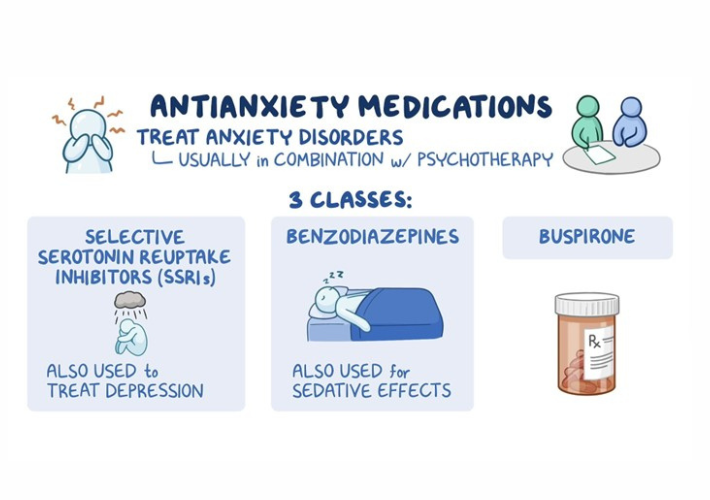
Selective Serotonin Reuptake Inhibitors (SSRIs)
Basically, SSRIs are indicated for depression, though they are quite effective in anxiety disorders. They act by increasing levels of the neurotransmitter serotonin, which acts to stabilize mood. This class of anti-anxiety pills takes longer to become effective typically 2 to 4 weeks though they are considered safer for long term use.
Pros:
- Long term treatment of anxiety and depression
- Nonaddictive
- Safer for chronic use
CONS:
- Takes longer to manifest its effects.
- Other possible side effects include nausea, insomnia, sexual dysfunction and other mild symptoms.
- Not suitable for the immediate alleviation of anxiety.
Buspirone
Buspirone is another anti-anxiety non benzodiazepine medication; however, it differs in its mode of action from SSRIs and benzodiazepines. It acts on serotonin and dopamine receptors in the brain and is primarily used for generalized anxiety disorder. This is a good option for those who require long term alleviation of anxiety without the risks associated with benzodiazepines.
Advantages:
- Non habit forming
- Less sedative compared to benzodiazepines
- Can be taken long term with no major side effects
Disadvantages:
- Takes from 2 to 4 weeks to take full effect.
- Possible side effects include dizziness and headaches.
Beta blockers
Although they are not to be applied for the curing of anxiety specifically, nevertheless beta blockers, especially propranolol are useful in eliminating the physical symptoms of anxiety like palpitations or even trembling. Beta blockers work by blocking the effects of adrenaline a hormone that initiates the fight or flight response.
Benefits:
- Effective for performance anxiety or situational anxiety
- Regulates physical symptoms, like trembling or palpitations.
- Does not affect mood or produce sedation
Disadvantages:
- Does not treat the psychological symptoms of anxiety.
- Long term use is not appropriate for the management of anxiety.
How Anti-Anxiety Medications Work
Generally speaking, the aim of anti-anxiety medications is adjusting the chemical composition of the brain to decrease anxiety. Anxiety has repeatedly been related to overactivity in a number of the brain chemicals particularly those responsible for the “fight or flight” response. The pills either help block these chemicals or raise the activity of calming neurotransmitters such as GABA and serotonin.
It acts by enhancing the activity of GABA, which, in turn has a sedative action on the nervous system thereby reducing anxiety.
SSRIs: Increasing levels of serotonin stabilize mood and generally create a feeling of well being.
Buspirone: Stimulates serotonin and dopamine receptors to mediate anxiolysis with less sedation compared to benzodiazepines.
Beta blockers suppress physical symptoms like tachycardia and trembling and block the action of adrenaline.
Prescription Anxiety Treatments: Prescription versus Over the Counter
Anti-anxiety drugs are prescribed for cases where the anxiety is severe or chronic. These medications are more potent and alleviate symptoms more adequately; however they are associated with a high incidence of adverse effects and dependency issues. For example, benzodiazepines can lead to addiction if administered for a long period.
Mild anxiety symptoms can be relieved by nonprescription anxiety treatments such as herbal supplements such as valerian root, passionflower or magnesium. They are just less potent and generally more suitable for those people who have less severe anxiety or those seeking a natural treatment.
Anti-Anxiety Medications: What to Expect When You Take Them
Antianxiety medications can greatly improve your coping mechanisms against anxiety but they are not a “quick fix.” Here are some things you might expect when taking antianxiety medications:
Immediate relief: Benzodiazepines can offer symptomatic relief from anxiety in as little as 30 minutes to an hour.
Long term efficacy: Although medications such as SSRIs and buspirone take longer usually 2 to 4 weeks to become effective, they offer better long term efficacy.
Other common side effects for anti-anxiety medications include drowsiness, dizziness, nausea and sexual dysfunction. You should discuss all possible side effects with your doctor before taking medication.
Dependence: The potential for tolerance and dependence exists with some medications, such as benzodiazepines. They are for prescribing and taking in courses for limited periods.
Safe Use of Anti-Anxiety Medications: Some Practical Tips
Following are some guidelines for using anti-anxiety medications safely:
Follow your doctor’s instructions:
Take medications for anti-anxiety only as your health professional prescribes them. Never change your dose without talking to your doctor first.
Combine medication with therapy:
Drugs work much better with accompanying therapy, like cognitive behavioral therapy. It is in therapy that the very causes of anxiety are dealt with and you are equipped with long-term methods of coping.
Avoid alcohol and sedatives:
This can lead to excessive drowsiness and poor coordination. Alcohol can enhance the sedating effect of anti-anxiety medication. Consequently, it is better to avoid alcohol with such medications altogether.
Track your progress:
Keep a log of your feelings before and after taking your medication. This will also help you and your doctor evaluate treatment and make needed changes.
Take good care of your body:
The pharmacological action of anti-anxiety drugs can be complemented with regular exercise, proper nutrition and other methods of stress release, including yoga or mindfulness.
Frequently Asked Questions about Anti-Anxiety Medications
How long will anti-anxiety medication take to become effective?
The various types of anti-anxiety medications differ in the time it takes for them to begin having their effect. Benzodiazepines almost immediately provide relief whereas SSRIs and buspirone take a few weeks to show their full effect.
Are anti-anxiety medications addictive?
All anti-anxiety medications have the potential to become addictive with long term use, such as benzodiazepines. Always follow your doctor’s instructions and use these medications only as prescribed.
Can I take anti-anxiety pills for the rest of my life?
The SSRIs and buspirone are considered appropriate and safe for long term anxiety management. Your use, however, should be monitored on a regular basis to reassess the effectiveness of the treatment by your doctor.
What are other options besides antianxiety medication?
Other options instead of anti-anxiety pills are therapy, changing your lifestyle and going natural with herbal supplements or learning new relaxation techniques.
Can I abruptly stop taking anti-anxiety medications?
Anti-anxiety medications must not be stopped suddenly without your doctor’s advice. It is always advisable to gradually taper the medication in order to avoid withdrawal symptoms.
CONCLUSION
Anti-anxiety medications may be an effective way to treat anxiety, but they are best used cautiously. Drugs like benzodiazepines can provide immediate relief, while drugs such as SSRIs and buspirone tend to have more benefits in the long run with fewer risks. You should always work with your healthcare provider to determine the best course of treatment for you. If anxiety is something that you have to cope with, then reach out to MindVita today for professional mental health support. We offer professional advice and treatment options that enable you to pass through anxiety and get on to living a more tranquil and balanced life.
Call MindVita today to get more information about anxiety management and anti-anxiety medication. Our panel of professionals is here to guide you toward a healthier mind and a better life.