

Have you ever been overcome with a rush of fear from out of the blue and your thoughts or body were out of your control? If so, then you have been in panic mode. It is an overwhelming sensation of anxiety that can come out of nowhere and leaves one helpless and cornered. In this blog post, we will plunge deep to understand what panic mode is, the symptoms and most importantly, how to calm panic mode and regain control over your mind and body. Be it the fear of unknown things or a chronic problem, you will learn here some useful techniques that will help you manage panic mode effectively.
Panic Mode explores modern anxiety triggers and practical recovery strategies, guiding readers to regain calm, build resilience, and seek support, including help from an online psychiatrist, in 2026 safely today.
What is panic mode?
The panic mode describes a condition of high anxiety brought about in most circumstances by a panic attack. A panic attack can be said to be a sudden intense fear episode or discomfort that culminates in minutes. Panic mode comes with both physical and emotional symptoms, which could be quite overwhelming. These panic attacks come at any moment, unannounced, mostly when you are facing some stressful situation or even just during your normal routine.
The panic mode starts a response in the body, through which hormones such as adrenaline can be released. These physical changes are indeed designed to help you deal with immediate danger; in this case of a panic attack, however, the body reacts even when there is no real threat. It could be symptoms like a racing heart, shortness of breath, dizziness or a feeling of impending doom. This can be highly distressing for the person who is experiencing it.
Panic Attack Symptoms: Knowing the Signs
Knowing the symptoms is the first step in managing your panic attack. A panic attack may affect a person differently, but there are some common Panic attack symptoms that include:
- Increased heart rate: This is one of the cardinal signs of hysteria. Your heart rate races up.
- Shortness of breath: The breathing becomes shallow and rapid, giving a sensation of suffocation.
- Excessive sweating may be sudden, even in a cool environment.
- Dizziness or lightheadedness: You may even feel that you will pass out or completely lose control.
- Chills or hot flashes: The body temperature can suddenly increase and decrease.
- Tingling sensations: Sometimes the hands, feet or face can feel numb or tingly when in panic mode.
- Fear of dying or loss of control: The other major cognition occurring during a panic attack is the belief that something terrible is going to happen.
Learning to recognize these symptoms early will help you stay on top of the panic mode and not let it overshadow your day.
What Triggers Panic Mode?
A number of psychological and physical factors trigger the beginning of panic mode. Some of the triggering factors include:
- Stressful Life Events: Personal problems, troubles in professional life or any other change in life may disturb your system and put you into hysteria.
- Genetics and family history: Individuals with a family medical history related to anxiety panic mode are likely to develop panic attacks.
- Health Conditions: Certain conditions, like heart disease and thyroid disorders, may present symptoms similar to panic or even trigger actual panic like symptoms.
- Drug Use: Caffeine, alcohol and other drugs may precipitate anxiety panic mode.
Overwhelming anxiety can develop into panic attacks if no anxiety regulating mechanisms are implemented or if such mechanisms are too weak.
Understanding these triggers is very important in learning how to prevent or reduce hysteria. You will be able to plan ahead when you can identify patterns in your triggers and start using techniques to calm down before the panic attack takes full hold.
How to Ditch Panic Mode: Practical Tips
If you feel like you are reaching panic mode, well, the good news is that there are lots of techniques to calm down and regain control. Here are some strategies:
1. Deep Breathing
Deep breathing is among the best antidotes to the hysteria. A panic attack is normally characterized by quickened breathing and a shift in focus toward slow controlled breathing can therefore help reverse the effects. Try the following technique:
- Inhale slowly through the nose for four seconds.
- Hold your breath for four seconds.
- Slowly exhale through the mouth for four seconds.
- Continue this process several times until you feel your anxiety begin to lessen.
Slowing down one’s breathing can counteract the body’s fight or flight response, which allows a person to start coming out of the panic mode.
2. Grounding Exercises
The idea of grounding exercises is that they work to refocus your attention away from panic and back into the present. One simple exercise in grounding is to do the 5-4-3-2-1 exercise, where you focus on your surroundings to distract yourself:
- 5 Things You Can See: Look around and name five things in your surroundings.
- 4 things you can touch: bring your attention to four things you can physically feel, like the texture of your clothes or the chair beneath you.
- 3 things you can hear: Notice three sounds you are hearing right now. Perhaps a fan is running or people talking in another room.
- 2 things you can smell: Take in two scents, whether it be of coffee, fresh air or some other source.
- 1 thing you can taste: Notice the taste in your mouth. Drink water or pay attention to any flavors you might notice.
This exercise helps you break the circle of panic and directs your focus from anxiety onto the environment.
3. Progressive Muscle Relaxation (PMR)
It unclogs physical tension developed during a panic attack. The aim is to tensify and then release different groups of muscles in order to attain whole body relaxation. First, clench your hands, holding for five seconds before letting go. Work progressively through the body: arms, shoulders, abdomen, legs and feet. This will help release tension that may worsen in hysteria.
4. Visualization Techniques
A very powerful tool in calming your mind at that point in time is visualization. Close your eyes and let yourself visualize going to a very quiet place: a beach or a forest. Your senses will all develop a picture in your mind of this place. Visualization of such an environment may put you in a secure and comfortable place and can reduce the panic by putting you in control.
5. Focus on Positive Affirmations
Positive affirmations can help cancel out the negativity that comes with being in panic mode. Try repeating the following comforting statements during a panic attack:
I am in control of my breathing.
“This feeling will pass. I am safe.”
“I can handle this situation.”
Because it reinforces calm and positive thoughts, it lessens the power of panic mode and you immediately return to being in control.
6. Physical Exercise
The best long term methods to outgrow Anxiety panic mode are exercises. Doing regular exercise reduces stress, uplifts your mood and releases endorphins. When you feel panicky, head out for a brisk walk or do some light stretching. Physical activity helps in soothing the nervous system and hence is an excellent way to avoid the hysteria taking over.
Anxiety and panic mode: the connection.
Anxiety and panic mode are usually interlinked. More often than not, anxiety builds up little by little with time until it oversteps the limit, causing panic mode. If your panic attacks happen quite frequently, you should treat the underlying anxiety to decrease the frequency and intensity of your panic attacks.
1. Identifying Anxiety Triggers
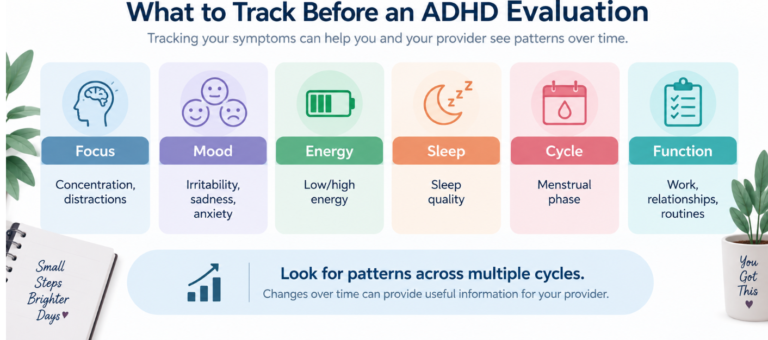
Take the time to figure out what makes your anxiety worse. You can monitor anxiety levels by keeping a journal and finding the patterns. Once you know what makes you anxious, you can take steps to manage and prevent panic mode.
2. Coping with Stress
Anything one does to reduce stress meditation, yoga can serve to generally lower the level of anxiety. Lower levels of stress will help prevent panic attacks from happening in the first place, and that will make anxiety more manageable.
Conclusion
Taking Charge of Panic Mode is so overwhelming; it is great to know that you are in a position to control it and beat it with the right tools by your side. The panic mode can be controlled by doing some breathing techniques, grounding exercises, progressive muscle relaxation and visualization. Knowing how anxiety associates with the panic mode will let you avoid attacks later on and make those that occur less intense.
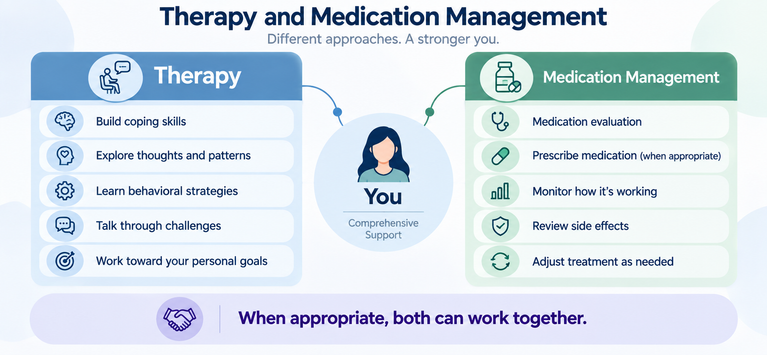
Left to yourself, the management of anxiety or hysteria seems insurmountable. MindVita will be there for you, offering online therapy focused on the needs of the individual and affording professional guidance and support in cases of panic attacks and anxiety. Take responsibility for your mental health now and approach MindVita for help tailored to your needs.
Frequently Asked Questions
What are the common symptoms of panic mode?
In panic mode, symptoms include a racing heartbeat, shortness of breath, sweating, dizziness and a feeling or fear of losing control. In this respect, early identification improves how well one manages such symptoms.
How can I quickly calm down from panic mode?
Deep breathing, progressive muscle relaxation and visualization exercises are effective techniques that will quickly turn off hysteria and help you keep things in order.
Does anxiety lead to panic mode?
Yes, it does; anxiety builds up over time and then when it gets too overwhelming, there could be a panic attack. Anxiety management cuts down the chances of hysteria.
What do I do if I feel a panic attack coming on?
Practice deep breathing or grounding exercises that take your mind off the panic attack. Positive affirmations can also help you relax and shift your thoughts away from anxiety.
Can MindVita help me with panic attacks?
Of course. MindVita online therapy and counseling can definitely help you cope with panic attacks and anxiety. Our trained therapists can guide you through coping strategies and techniques appropriate for your needs.


One Response