

Restlessness is generally viewed as a minor problem that can be blamed on stress, lack of sleep or too much caffeine. Many people have lived with restlessness for years without ever thinking that it might be a symptom of a serious health problem. While nervousness is a normal experience from time to time, serious and progressive nervousness is never a problem to be taken lightly.
At mindvita, we are committed to helping people learn how to differentiate between normal discomfort and medically significant restlessness symptoms. This in-depth guide will take you through what it means for nervousness to turn serious, what the nervousness symptoms are, and what treatments actually work.
Persistent restlessness can signal deeper mental health concerns. This guide explains critical warning signs and effective treatment paths, including when consulting an online psychiatry becomes essential for timely, professional support.
What Restlessness Actually Is?
Restlessness is a state of physical or mental agitation in which the body or the mind is unable to relax. It can be experienced in the form of pacing, fidgeting, leg movements, muscle tension or an internal urge to move. Restlessness can be experienced by some people in their body, while others may experience it in their mind.
In the medical field, restlessness is viewed as a symptom and not a diagnosis. This is significant because nervousness is generally a symptom of another condition that may be impacting the nervous system, hormones, mind or sleep. If nervousness is treated without treating the underlying condition, the outcome is always disappointing.
Temporary nervousness can occur when an individual is excited, stressed or tired. However, when an individual suffers from chronic nervousness, which is affecting their daily life, it is a sign that they need to visit a doctor.
How Common Restlessness Is and Why It’s Increasing
Research among the population has indicated that nearly 25% of adults have suffered from restlessness at some point in their lives, especially when they are sick or emotionally stressed. Although chronic nervousness is not as prevalent, it has been on the rise over the past few years due to the increasing levels of anxiety, irregular sleep patterns, and the consumption of stimulants.
Modern lifestyle patterns are also a significant contributing factor. Irregular sleeping patterns, excessive screen time, notifications, and high caffeine intake are all factors that keep the nervous system perpetually on high alert. This causes the body to become increasingly unable to relax, resulting in a state of perpetual nervousness.
Why Persistent Restlessness Should Not Be Ignored
Persistent restlessness causes the nervous system to be perpetually under stress. This, in turn, can lead to insomnia, poor concentration, irritability and poor emotional control. Research has indicated that individuals who suffer from untreated nervousness have a higher likelihood of developing mood disorders and cardiovascular diseases.
Restlessness also often leads to insomnia. Insomnia, in turn, further disrupts the nervous system, leading to a vicious cycle of insomnia and nervousness. It is important to address this cycle early to help alleviate restlessness symptoms.
At mindvita , we firmly believe that early diagnosis can help to prevent complications and shorten the recovery time.
Common Psychological Causes of Restlessness
One of the most definitive findings in medical research is that there is a direct correlation between anxiety and nervousness. When the brain is constantly aware of a potential threat, whether real or perceived, it keeps the body in a state of constant alertness. The muscles are tense, breathing shallow, and relaxation is impossible.
This is a symptom of generalized anxiety disorder, panic disorder, trauma related stress, and worry. But it is also important to remember that anxiety and nervousness can be present even when there is no apparent reason for it. The nervous system is simply conditioned to be “on.”
This leads to the body being exhausted, resulting in fatigue and nervousness.
Medical and Hormonal Causes That Are Often Missed
There are a number of medical conditions that quietly contribute to restlessness. Thyroid conditions are a good example. When the thyroid gland is overactive, it accelerates metabolism, heart rate, and nervous system activity, often resulting in nervousness long before a medical diagnosis is made.
Nutritional deficiencies are also a major contributing factor. Iron deficiency affects the regulation of dopamine, which is a critical process in the regulation of movement and relaxation. Vitamin B12 deficiency damages nerves and magnesium deficiency leads to muscle tension and excitability.
Inflammatory conditions and infections are also a cause of nervousness due to the triggering of the immune system, which affects the brain.
Neurological Conditions That Contribute to Restlessness
Neurological disorders are always a point of concern when restlessness is a chronic issue. Restless Leg Syndrome is one of the most common disorders, which affects nearly 10% of the adult population. Restlessness symptoms worsen at night and are a clear indication of nervousness and insomnia.
Other neurological disorders that cause nervousness include Parkinson’s disease, peripheral neuropathy, and early stages of neurodegenerative disorders. In these cases, nervousness can occur along with tremors, numbness, weakness and loss of coordination.
Medications and Substance Related Causes
Many medications have restlessness as a side effect. Antidepressants, antipsychotics, corticosteroids and stimulant medications are all known to cause nervousness. Dosage changes make symptoms more visible.
Caffeine and nicotine are nervous system stimulants. Alcohol withdrawal is another common cause of nervousness, which occurs during the withdrawal phase.
Red Flags That Indicate Serious Restlessness
Not all cases of nervousness are serious, but there are some red flags that demand immediate attention. Sudden onset of nervousness without stress or lifestyle changes is a major red flag. Sudden progression of symptoms in a matter of days or weeks is another red flag.
Restlessness associated with neurological symptoms is a serious condition. These symptoms include trembling, muscle weakness, numbness, confusion, difficulty speaking, and loss of balance. These symptoms are a clear indication of nervous system disorders.
Functional impairment is another serious red flag. When nervousness prevents a person from sitting, concentrating, or sleeping for an extended period of time, it is a serious symptom. When nervousness and insomnia occur for more than two weeks, the risk of mental and physical illness is very high.
Systemic symptoms should never be underestimated. Sudden onset of weight loss, fever, night sweats, palpitations, or shortness of breath could be signs of hormonal, heart, or inflammatory conditions.
When Medical Care Is Needed
In a medical emergency, agitation with confusion, hallucinations, chest discomfort, loss of consciousness, or suspected drug toxicity needs urgent medical attention. These nervousness symptoms could be indicative of severe nervous system or heart diseases.
Non emergency medical care is needed if agitation persists for more than a month, gradually worsening, or if it doesn’t improve with lifestyle changes. Early medical care can often prevent a crisis.
How Doctors Diagnose Chronic Agitation
Diagnosis starts with a thorough medical history. Doctors assess the timing, severity and triggers of symptoms, as well as the effects of disturbed sleep. They also assess medications and substance use.
Blood tests may include thyroid function tests, iron and ferritin tests, vitamin B12, magnesium and inflammatory tests. Research has shown that a ferritin level of less than 50 ng/mL is a significant predictor of chronic agitation.
Neurological tests may include MRI or CT scans, depending on the symptoms. These tests are particularly useful when symptoms are localized. Nerve conduction tests are used to diagnose peripheral nerve damage. Sleep tests are useful when insomnia and agitation cooccur.
Mental health screening tools help diagnose anxiety and agitation patterns that need psychological interventions.
What Are the Best Ways to Treat Severe Agitation?
The most effective treatment strategy is to target the underlying cause. Iron deficiency management, thyroid hormone management or infection management can lead to significant relief.
Medications can be prescribed based on the diagnosis. Anxiolytics, dopamine modulators or beta blockers can be used. These should be used with caution and under strict monitoring.
Non pharmacological management is also necessary. Cognitive Behavioral Therapy is very effective in managing nervousness due to anxiety by calming the nervous system. Physical therapy and stretching exercises improve blood flow and muscle control.
Lifestyle modifications are very effective but often underrated. Reducing caffeine consumption, maintaining regular sleep patterns and regular moderate exercise can significantly reduce symptoms of nervousness and insomnia.
Home Remedies for Mild Restlessness
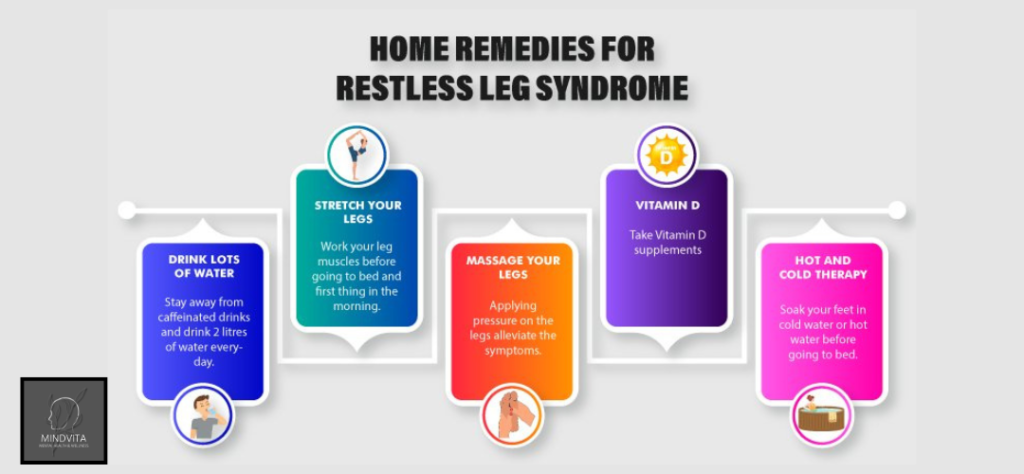
In non emergency conditions, home remedies can be used to manage symptoms. Deep breathing exercises can activate the parasympathetic nervous system. Muscle relaxation techniques can be used to reduce tension. Gentle stretching exercises can improve blood flow and neural impulses.
Symptom diaries can be used to identify triggers such as food, stress or medication schedules. This can help improve diagnostic and treatment accuracy.
Special Considerations Based on Age Groups
In older patients, nervousness is more likely to be medication induced or due to neurological disorders, and thus early diagnosis is necessary. In pregnant women, hormonal imbalances and iron deficiency are common causes of nervousness and appropriate management strategies are available.
In children and adolescents, nervousness may be a symptom of ADHD, anxiety disorders or sleep disorders. Early diagnosis can help avoid academic and emotional difficulties.
Key Insights from mindvita.org
Restlessness is not always benign. When nervousness is chronic, progressive and accompanied by neurological symptoms, it is important to seek medical care. Red flags should never be ignored, particularly if sleep, function or neurological function is affected. Early diagnosis and treatment lead to better outcomes and the prevention of complications.
Frequently Asked Questions
When is restlessness a cause for concern?
When nervousness is ongoing, getting worse or accompanied by neurological symptoms.
Can anxiety cause restlessness without stress?
Yes, anxiety and restlessness can be caused by chronic overstimulation of the nervous system.
Why is restlessness worse at night?
Restlessness and insomnia are worse at night because of the levels of dopamine and the lack of distractions.
Can deficiencies cause restlessness?
Yes, iron, vitamin B12 and magnesium deficiencies have been well documented as a cause of nervousness.
What is the best long term treatment?
Underlying causes treatment and addressing sleep and anxiety problems.