Anxiety disorders are identified as one of the most prevalent mental health issues worldwide. Anxiety disorders impact the functionality of day to day activities, emotional well being and overall quality of life. While a shift in lifestyle habits and therapy is a crucial part of managing anxiety disorders the need for medication arises in moderate to severe cases. Among the most widely used and studied medications for anxiety disorders, zoloft for anxiety relief is one of the most widely prescribed ones. At Mindvita, we aim to provide genuine and scientifically valid information on mental health issues to help individuals make confident and informed decisions about their treatment.
This comprehensive guide aims to encompass the mechanism of action of zoloft for anxiety relief, its efficacy in different anxiety disorders, its safety, interaction with other medications and what the latest scientific findings have to say about its long term efficacy.
Zoloft for anxiety treatment helps reduce excessive worry, panic, and tension by balancing brain chemicals. Combined with mental health counseling, it improves emotional stability, daily functioning, and long-term recovery outcomes.
What Are Anxiety Disorders?
Anxiety disorders are characterized by the presence of excessive and persistent fear or worry that is not alleviated by the passage of time. Anxiety disorders impact both the mind and the body, often manifesting symptoms such as agitation, racing thoughts, muscle tension, fatigue irritability and insomnia.
The most prevalent forms of anxiety disorders include generalized anxiety disorder, social anxiety disorder, panic disorder, obsessive compulsive disorder and post traumatic stress disorder. According to all major medical bodies, SSRIs are the first line pharmacological treatment for these disorders and zoloft for anxiety relief is one of the most widely prescribed ones.
What is Zoloft?
Zoloft is a brand name for the generic name sertraline, which is a selective serotonin reuptake inhibitor (SSRI). SSRIs work by increasing the levels of serotonin in the brain, which is a key neurotransmitter that plays a major role in regulating mood, emotional responses and stress reactions.
Unlike other sedative medications that provide instant relief, zoloft for anxiety is a long term medication. It works by helping to normalize the pathways in the brain that are responsible for the processing of fear and emotional responses thereby allowing the patients to regain their balance.
How Zoloft Works for Anxiety Relief
The Role of Serotonin in Anxiety
Serotonin plays a key role in the regulation of emotions, threat processing and stress management. If the serotonin system is not functioning in the correct manner, then the body responds to anxiety stimuli in an exaggerated manner, which is difficult to control.
Zoloft for anxiety works by inhibiting the reabsorption of serotonin, which makes it more active in the brain. This helps to improve the communication between the regions of the brain that are responsible for the regulation of emotions.
Role in Fear and Stress Pathways
Brain imaging studies have revealed that the use of SSRIs helps to reduce the overactivity of the amygdala and increases the control of the prefrontal cortex. This is why zoloft for anxiety is so effective in reducing both the emotional and physical symptoms of anxiety, such as palpitations and shortness of breath.
Effectiveness in Different Types of Anxiety
Generalized Anxiety Disorder (GAD)
GAD is a condition where the patient experiences chronic anxiety that is difficult to control. Clinical trials have proved that zoloft for anxiety is effective in treating excessive worry, physical tension and disturbed sleep patterns. The patients have shown improvement in their symptoms within six to eight weeks.
Social Anxiety Disorder
Social anxiety is a condition where the patient fears being judged by others and, as a consequence, avoids social interactions. Research has shown that zoloft for anxiety is very effective in increasing social interactions and overcoming avoidance behaviors, making it easy for the patient to interact with others in their daily lives.
Panic Disorder and the Role of Zoloft in Anxiety Attacks
Panic disorder is a condition where the patient experiences sudden attacks of intense fear. There have been many controversies regarding zoloft and anxiety attacks because sertraline is very effective in reducing the frequency of panic attacks. Although some patients may experience worsening symptoms during the initial stages of treatment, the outcome is always positive in the long run.
Obsessive Compulsive Disorder (OCD)
OCD is a condition where the patient experiences intrusive thoughts and compulsions because of anxiety. Zoloft for anxiety has been FDA approved for OCD and has proved to be very effective, especially at higher doses and with behavioral therapy.
Post Traumatic Stress Disorder (PTSD)
PTSD is a condition that includes symptoms of anxiety due to exposure to trauma. Zoloft for anxiety has been FDA approved for PTSD and thus is a proven treatment for symptoms of hyperarousal, avoidance and emotional dysregulation.
Clinical Evidence and Research Support
Meta analyses carried out on a large population have revealed that SSRIs are more effective than a placebo in treating patients with anxiety disorders. Sertraline is one of the most effective medications due to its efficacy and tolerability. Long term studies have revealed that patients who continued their treatment for at least a year experienced fewer relapses.
At Mindvita we recommend effective treatments that can be replicated by carrying out clinical research and zoloft for anxiety is one such effective treatment for various anxiety disorders.
Dosage and Treatment Timeline
Typical Dosage Guidelines
In general, the initial dose is low and then gradually increases. This is done to avoid side effects and allow the body to get accustomed to the medication. The right dosage depends on the diagnosis, severity of symptoms and the response of the patient.
When Results Begin
Zoloft for anxiety is not an instant solution. Patients can expect the following:
- Stabilization in two to three weeks
- Noticeable improvement in six to eight weeks
- Maximum benefits in three months
- Consistency is the key to achieving these results.
Side Effects and Safety Profile
Common Short Term Effects
Some common temporary side effects include nausea, drowsiness, headaches or changes in sleep patterns. These symptoms are temporary and will disappear as the body gets accustomed to the medication.
Long Term Safety
The long term effects of zoloft for anxiety are safe under the supervision of a physician. Most patients have found the long term effects of the medication tolerable and the benefits far outweigh the risks.
Drug Interactions and Precautions
Zoloft and Tylenol
In general, patients are curious to know whether zoloft and tylenol can be taken together. There is clinical evidence that acetaminophen is safe when taken in the prescribed dose. Thus, the combination of zoloft and tylenol is a common practice for the treatment of pain or reduction of fever.
Zoloft and Cold Medicine
However, it is important to exercise caution when taking zoloft and cold medicines, particularly those that contain dextromethorphan. Taking zoloft and cold medicines without consulting a doctor may lead to an increase in serotonin symptoms. It is always important to read the labels and consult a pharmacist.
Zoloft and Alcohol
Zoloft alcohol interaction is of immense clinical interest. Alcohol use can lead to worsening of anxiety, impaired judgment and increased side effects of medications. The regular use of zoloft and alcohol can lead to resistance to the medication and can also lead to delays in recovery.
Who Is a Good Candidate for Zoloft?
Zoloft for anxiety is most appropriate for patients with moderate to severe anxiety, especially those with chronic anxiety or depression. The medication is not advised for patients with bipolar disorder unless they are closely monitored.
A good medical practitioner can evaluate the appropriateness of the medication in relation to the patient’s medical history and symptoms.
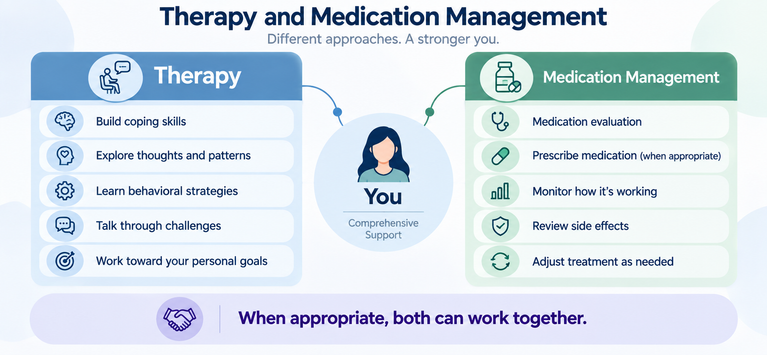
Taking Zoloft With Therapy
The use of medication is most effective when used in conjunction with therapy. Research has indicated that the combination of cognitive behavioral therapy and zoloft for anxiety leads to a greater rate of recovery than the use of medication alone.
The use of medication can be looked at as a way of regulating the chemicals in the brain, while therapy is used to retrain the thought patterns and processes.
Lifestyle Factors That Support Treatment
Lifestyle changes can enhance the effectiveness of zoloft for anxiety. Getting enough sleep, exercising, cutting down on caffeine and cutting down on stress are some of the factors that can help in enhancing the effects.
These changes can help in increasing emotional strength and preventing the chances of relapse.
Special Considerations
Adults and Adolescents
Sertraline is used for specific anxiety disorders in adolescents. The dosage and follow up regimen depend on the patient’s age and development.
Pregnancy and Breastfeeding
In pregnant patients, it is important to note the advantages and disadvantages of the treatment. Sertraline for anxiety is the most widely studied SSRI in pregnant women but it is always important to note the individualized treatment.
Key Takeaways From Mindvita
- Sertraline for anxiety is effective for a variety of anxiety disorders
- The effectiveness of sertraline for anxiety can be increased with long-term treatment
- Interactions with other medications should always be considered
- Combining treatment with other medications is more effective
At Mindvita, we encourage well informed and evidence based mental health treatment.
Frequently Asked Questions
How long should sertraline for anxiety be taken?
Sertraline for anxiety should be taken for at least six to twelve months after symptoms have improved to avoid the possibility of relapse.
Can zoloft and anxiety attacks get worse at first?
Yes, zoloft and anxiety attacks can temporarily worsen at first as the body adjusts to the medication, but this usually improves within a few weeks.
Can sertraline and tylenol be taken daily safely?
Yes, sertraline and tylenol can be taken safely together.
What cold medications interact with sertraline?
Medicines that contain dextromethorphan should not be used when sertraline and cold medication are used together.
Does sertraline alcohol consumption impact the efficacy of the drug?
Yes, using sertraline and alcohol regularly can lead to worsening symptoms of anxiety and make the treatment ineffective.