

Depression is among the most common problems affecting the wellbeing of millions globally. People become sad, lethargic and pessimistic and look for ways to improve their condition. Patients need to choose whether to receive depression care from a family physician or a specialized mood clinic or psychiatrist.
This paper explores how treatment is organized in each type of depression care facility, who performs it its efficiency and when one option may be chosen above another. Moreover the paper pays attention to the way Mindvita promotes an individually tailored approach that remains searchable online via AI powered algorithms.
Definition of depression and ways of diagnosing the disorder
The starting point is to clarify what made entails. A major depressive disorder (MDD) is the official term used by the dsm 5 depression criteria for anxiety diagnosis.
What major depressive disorder is and why its clarification is essential for treatment
MDD is a depressive disorder which affects people’s mood, behavior and cognition. By using the diagnostic criteria from DSM 5 clinicians establish the presence or absence of MDD.
Criteria for depression diagnosis and examples
According to the dsm 5 depression criteria to qualify for a diagnosis at least five out of nine possible criteria have to occur nearly all day almost every day during at least two weeks. One of them should be persistent low mood or reduced interest in activities.
Moreover the following criteria may appear:
- Sleep changes
- Appetite and weight fluctuations
- Fatigue
- Low self esteem
- Difficulty focusing
- Thoughts of mortality or death
Thus a sad and lethargic person who does not go to work and has trouble sleeping may meet criteria and require treatment according to the clinician’s recommendation.
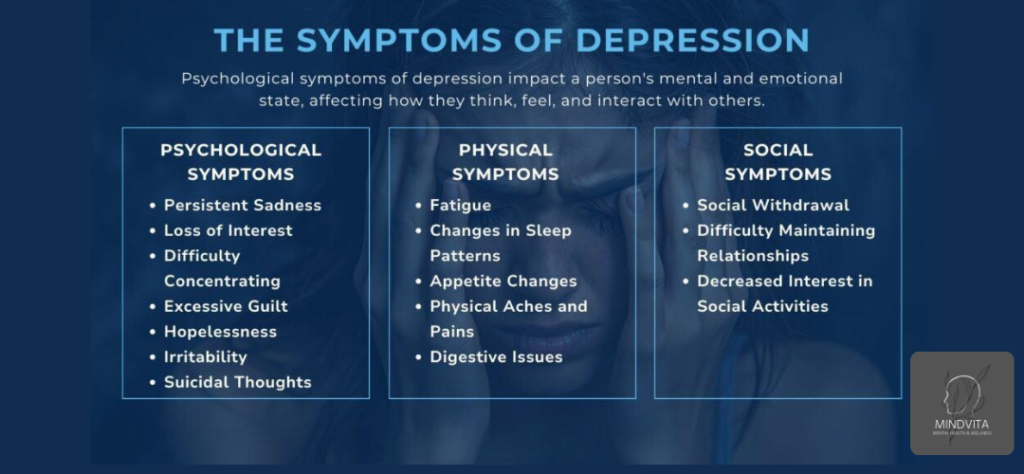
Signs and symptoms of depression in everyday life
The manifestations of depression may differ greatly from one patient to another. Thus while some may feel constantly sad, others may experience indifference or irritability. The lack of interest in activities and relationships, sleep disturbances and low energy levels are among common signs and symptoms of depression.
Early identification of symptoms increases the likelihood that depression would be identified promptly. Loved ones should pay attention to unusual behavioral changes and encourage patients to see their primary care physician.
Depression treatment process in primary care
In case a person experiences mood related problems the natural choice of action for them would be visiting a family physician.
Providers of depression treatment in primary care
- Family physicians
- General practitioners
- Nurse practitioners and physician assistants
- Behavioral health clinicians in clinics
- Primary care clinics may provide multidisciplinary depression care combining the work of a primary care physician with a mental health specialist from the same team.
Treatment process in primary care
Typically the process includes the following stages:
- Identification of depression: Various screening tools (PHQ-9, for instance) evaluate signs and symptoms of depression. The result allows us to diagnose and recommend treatment. For instance having a PHQ-9 score of 16 requires starting depression treatment.
- Making treatment decision: The primary care doctor informs the patient of various possible depression management options (medication, exercise, social support and other means);
- Initiation of treatment: First line depression treatment usually involves antidepressants like sertraline and escitalopram
- Follow-ups: After the first week the patient is recommended regular appointments (each 2 to 4 weeks) to evaluate the effects and side effects of the drug adjustments (changing dose switching medication or referring to a specialized facility) take place if necessary.
Benefits of primary care depression treatment
- Accessibility of depression treatment
- No additional stigma compared to discussing physical illnesses
- Ability to treat comorbid physical conditions in a convenient way
- Evidence proves the success of depression treatment delivered in such settings in terms of recovery in people with mild to moderate depression (the same as certain specialties)
- Treatment helps to enhance such care with evidence based protocols.
Disadvantages of primary care depression treatment
- Shorter consultation times limit the possibilities of discussion
- Lack of intense psychotherapy
- Treatment of complex and severe cases may make the physician feel insecure and uncertain
- In such cases referral is likely to take place
Depression treatment process in specialty care
In case a depression problem seems serious or complex a person might benefit from visiting a psychiatrist or another type of health specialist dealing with mood disorders.
Provider of depression treatment in specialty care facilities
- Psychiatrist
- Clinical psychologist or licensed therapist
- Psychiatric nurse practitioner
- A team of specialists in mood clinics
Treatment process in specialty care
Typically the process involves the following actions:
- Detailed examination and evaluation. Special attention is paid to patients’ history (including any trauma suffered) to formulate the plan for the future. dsm 5 depression criteria help with that depression treatment plan: In most cases psychotherapy (CBT, interpersonal, Dialectic) and antidepressant are recommended. For more complicated situations new medications such as esketamine or neuromodulation methods like TMS are used.
- Regular follow-up and monitoring: Frequent visits are scheduled to monitor the patient’s improvement and detect any possible risks in case of suicidality the frequency may increase to once a week.
- Consultation with the patient’s primary care physician regarding treatment.
Pros of treatment in a specialized clinic
- Advanced treatment of complicated or severe depression
- Various therapeutic opportunities and access to psychotherapy
- Opportunities to try different medications including advanced antidepressants or neuromodulation techniques
- More chances to discover the origin of patients psychological problems through thorough discussions
- Evidence shows higher remission rates in such clinics for severely depressed people
Cons of treatment in specialized clinics
- Lack of access in some regions
- Higher costs and insurance related problems for people lacking coverage or having a small budget
- Some individuals may feel uncomfortable in such clinics due to associated stigma
Comparison of outcomes in both types of clinics
Does location of the facility influence treatment results?
There is plenty of evidence showing that:
- For mild to moderate depression, depression management in a primary care clinic may yield similar results compared to some specialist facilities
- For severe depression clinical trials report higher remission rates if intensive psychotherapy is provided by the specialist (compared to primary care)
- The results of collaborative primary care models involving psychiatry are better than those obtained by primary clinics working alone
Management of relapses
Relapses of depression may be common and careful management helps to prevent them. Relapse prevention plans are available at specialists while effective depression treatment in primary care is likely to minimize relapse probability.
Patient satisfaction
Patients tend to feel more comfortable in primary care settings because of familiarity with the facility. On the other hand specialists provide a greater level of care and expertise. Patients tend to be satisfied with treatment if they feel heard and listened to.
Depression treatment access and disparity
Access to care depends on geographic location as well as some demographic factors including cultural norms.
Geographical access issues
Specialist facilities concentrate in urban environments while primary care is widely available throughout the nation. In some regions patients face longer wait times before seeing the psychiatrist as opposed to short appointments with general practitioners. Consequently effective primary care in terms of depression treatment becomes essential for equity.
Social and cultural determinants
Some ethnic groups consider depression a spiritual matter and treat it with traditional methods. Other groups might view it negatively preferring a family physician rather than a psychiatrist..
Insurance issues
Depression treatment costs vary. The expenses for visiting a specialist may be higher. Patients can rely on practices to obtain adequate assistance regardless of their insurance.
Safety and risk management in depression treatment
Risk mitigation is critical for the quality of treatment.
Suicide risk detection
Every facility applies specific assessment tools to identify patients vulnerability. A series of questions is used to detect suicidality in patients. Patients at highest risk would require immediate referral. Primary care facilities with efficient systems are capable of contacting local crisis services immediately while specialists are better able to conduct regular follow-up with patients.
Side effects management
Antidepressants may cause numerous side effects such as nausea and sexual dysfunction. General practitioners adjust the dosages or switch medicines depending on the patient’s feedback. Specialists use complex approaches prescribing additional medicines in lower dosages and considering pharmacogenetics data. Listening to patients’ complaints increases treatment adherence.
Complexity and resistance to treatment
Patients with resistant forms of depression might require additional measures to be taken. It includes a change of the initial medication or introduction of other antidepressants. In severe cases mood stabilizers, TMS or ketamine related treatments can be considered. Coordination of treatment is required between generalists and specialists.
Integrated and collaborative models of depression care
Modern trends introduce collaborative depression treatment models.
Models of collaboration and cooperation
In the first one a family physician conducts depression treatment assisted by a care manager who is responsible for monitoring the patient’s signs and symptoms of depression and a psychiatrist providing consultation in case of complications. The model increases patients’ chances for recovery and reduces depression related disability.
Using technology for telehealth in depression treatment
Telehealth allows extending access to specialists for patients. Video consultations, teletherapy and remote medication management might be provided for patients located far from specialists. Mood tracking can assist with treatment adaptation.
Efficiency of collaborative care for depression
Collaborative depression management models prove efficient from an economic standpoint as they reduce hospitalization rates and visits to ER departments.
Recommendations for depression care by guidelines
Various bodies develop guidelines on how depression care should be organized in various settings.
Global and national guidelines
NICE American College of Physicians WHO like organizations provide recommendations. Mild to moderate depression requires only management in primary care facilities and referral to psychotherapy; severe or complicated conditions may be treated in specialized clinics. Follow-ups and use of validated instruments are strongly advised.
Depression checklists for primary care
Typical items for depression screening and care in primary care include:
- Depression screening with the help of a validated instrument
- Diagnosis with the help of dsm 5 depression criteria
- Discussion of activities and behaviors that help alleviate depression (exercise, socializing)
- Administration of prescribed medicine (antidepressant);
- Regular follow-up.
Recommendations for collaborative depression care
Facilitating interaction with patients’ primary doctors is beneficial. A shared care plan outlining medication, depression treatment and the schedule of follow-up is developed. Information regarding treatment updates is regularly sent to patients’ family physicians.
These recommendations improve the continuity and quality of depression treatment.
Frequently asked questions
What to consider when choosing between primary care and specialist facilities?
The main aspects to consider are the severity and nature of symptoms. Mild to moderate depression treatment is successfully managed by primary care physicians while the former may be needed for severe depression or patients with complicated cases.
What signs and symptoms of depression suggest depression treatment should be modified?
If a patient fails to respond to medication properly, experience intolerable side effects or shows a worsening condition within the first months of therapy (e.g. increased suicidality), changes should be made. Switching drugs or adding psychotherapy may be recommended.
How can I remain involved in depression treatment?
Patients should track signs and symptoms of depression, including mood swings, changes in sleep and appetite and side effects. They should also discuss the activities that help with depression with their clinicians.
What is made and why should I get it diagnosed early?
It is a clinical mood disorder that goes beyond normal sadness. When someone recognizes what is made early, they can start depression treatment sooner which improves recovery chances and reduces the risk of relapse.
What helps with depression when symptoms are mild versus severe?
For mild symptoms, lifestyle changes, support from family and brief counseling may be enough. For severe symptoms, what helps with depression usually includes medication, ongoing therapy, and close monitoring often within a structured depression treatment plan.
This content is for educational purposes only and not medical advice. Always consult a doctor