
Minding your mental and physical health is the key to a holistic and balanced life. Most people underestimate the interplay that goes on between their mental and physical health, yet they are connected in some very deep ways. Bad mental health brings about ailments in the body and vice versa physical health issues aggravate issues with mental health. This blog shall probe into the strong bond between mental and physical health, the benefits of regular exercise and techniques of stress management and the major role sleep hygiene plays. We give you some very useful tips and advice for enhancing your wellbeing and how Mindvita can help you achieve such a balanced and healthy life.
Your mental and physical health play a vital role in your overall well-being. Understanding how they impact your daily life can guide you toward better health. Seeking help from an online psychiatrist can provide valuable support for a balanced life.
Understanding the Link Between Mental and Physical Health
It is vital to consider how we relate mental and physical health, because most of us tend to perceive it as separate. Whereas, on the contrary, these aspects share an interlinked relationship; when one is damaged, both are definitely affected negatively. Chronic stress therefore will lead to hypertension and other cardiovascular disorders because it causes disturbances on physiological mechanisms while depression can be accompanied by fatigue and a reduction in immune function.
How does mental health affect physical health?
Good mental health goes along with good physical health. Anxiety and depression raise the susceptibility to heart disease, digestive problems and even chronic pain. Overproduction of some hormones, such as cortisol, that result from stress may damage the immune system, raise blood pressure and heighten the chances of ill physical health.
For instance, depressed individuals are likely to end up suffering from cardiovascular disease since stress encourages poor lifestyle habits such as bad eating, no exercise and smoking. Individuals suffering from psychological ailments also strive to avoid doctors and hospitals and this may eventually contribute to late diagnosis among them.
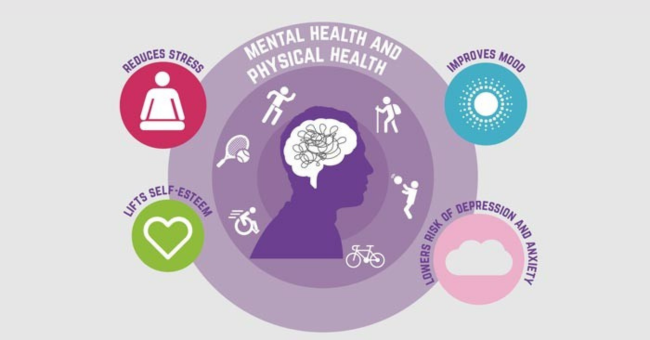
How does physical health relate to mental health?
As much as physical health takes a cue from mental health, the opposite is also true. Poor physical health can be a cause of depression, anxiety and other mental health conditions. People afflicted with chronic illness or disability often experience helpless, hopeless and lonely feelings, which are conditions that would serve to make co-occurring mental health disorders like depression worse.
The limitations of physical illnesses, based on the grounds of pain, mobility problems or even fatigue, make individuals withdrawn socially and reduce their level of physical activity. Such a vicious circle may strongly develop conditions either for poor mental or physical health or for both.
Benefits of Regular Exercises on Mental and Physical Health
Such regular physical activities help a person to keep their mental and physical health in good order. The advantages of exercising for the body and mind are that exercising regulates the cardiovascular system, improves mood conditions and decreases the risks of chronic diseases.
Physical Benefits of Regular Exercise
Exercises are indispensable for keeping the body healthy. Through continued activity, it strengthens the heart, muscle and bones, thus minimizing chronic diseases related to the heart, diabetes and osteoporosis. It is also responsible for weight control, improving lung function and raising energy levels. Regular exercise promotes better sleep which is a crucial factor of mental and physical health.
Mental Health Benefits of Exercise
Another very important health benefit of exercise is in relation to mental health. Physical activity raises the levels of endorphins those natural chemicals in the brain that make us feel happy and heighten our sense of well being. Exercise can reduce symptoms of depression and anxiety besides helping to reduce stress levels. Exercise has been proved to be as effective as medication in the treatment of mild to moderate depressions making it a powerful tool in improving mental health.
In addition to the improvement in symptoms related to anxiety and depression, physical activity improves cognitive functioning and enhances memory and attention. Exercise favors neurogenesis which makes the brain sharp over time.
How to incorporate physical activity into your routine.
Just start small: You do not have to get into heavy exercises. Just go for simple exercises like brisk walking or swimming.
Activities you enjoy: running, yoga or cycling all of these include exercise without the feeling that you are working out because it’s something you like to do.
Be consistent: Most days of the week, engage in at least 30 minutes of moderate exercise. It is through consistency that long term benefits shall be derived for both physical and mental health.
How to Handle Stress: Tips for Mental Physical Health
Stress in life is just something we cannot completely avoid, but how we deal with it makes all the difference between poor and good mental and physical health. If left uncurbed stress can result in heart diseases, hypertension and a whole spectrum of psychological disorders: anxiety and depression among them.
1. Deep breathing exercises
Of all the techniques that can be used in managing stress deep breathing could be the easiest method to reduce stress and anxiety. The concept behind this involves turning on the parasympathetic nervous system; that is, it relaxes the body and mind by the use of slow and deep breathing. How to Do the 4-7-8 Breathing Technique: Inhale for 4 seconds, hold for 7 seconds and exhale for 8 seconds. Do this for 5 to 10 minutes to achieve calmness.
2. Meditation and Mindfulness
Some of the most powerful ways of dealing with stress are meditation and mindfulness, which in turn can create a healthier mental and physical state. Mindfulness helps an individual stay in the present world, reduces anxiety and enhances well being. As little as 10 minutes per day can reduce stress levels enhance focus and make life easier to live.
3. Time Management and Prioritization
Poor time management could easily lead to stress and feeling overwhelmed, which might eventually affect your mental and physical health. Learn how to prioritize your tasks and manage your time effectively to lessen your stress. Break large tasks into smaller, more manageable steps; execute the most important tasks first.
4. Physical relaxation techniques
The physical relaxation techniques involve releasing tension from the body. Techniques such as progressive muscle relaxation allow one to release the physical tension, calm the mind and relax one muscle group at a time.
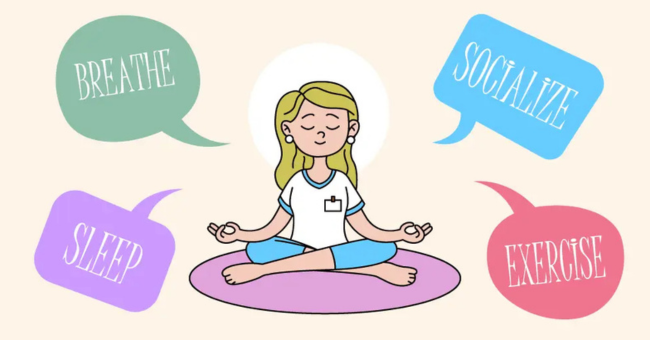
Sleep Hygiene and its importance to Mental and Physical Health
Sleep is an important aspect of ensuring that good levels of mental and physical health are maintained. Bad sleep is actually predisposing one to common mental disorders such as irritability, poor concentration and even increased stress levels. The same poor sleep worsens your physical health because it weakens the immune system thereby increasing chronic diseases.
1. Regularise your sleep pattern.
One of the best sleep hygiene practices that will help in improving both mental and physical health is maintaining a regular pattern of sleep. For your body’s internal clock regulation, go to bed and wake up at the same time each day even on weekends. This helps regulate the constant sleep wake cycle, resulting in better quality sleep whereby one feels rested and energized throughout the day.
2. Create a restful sleep environment
Make the bedroom a place for quiet sleeping. The room should be dark, not too hot or too cold and quiet. Remove distractions such as electronic devices that interfere with the sleep wake cycle of the body.
3. Limit the stimuli before bedtime
Avoid caffeine, nicotine and alcohol intake because all of these impede sleep. Replace these activities with relaxing ones such as reading a book or taking a warm bath.
Practical Tips for Maintaining Mental and Physical Health
Here are some more practical tips which will improve not only your mental but also your physical health:
Eat healthily: A diet that is healthy and rich in fruits, vegetables, lean proteins and healthy fats is going to support the general functioning of your brain and your body.
Hydrate yourself: Besides physical maintenance the intake of water is highly necessary in order to keep your brain clear. Drink at least 8 glasses of water per day.
Social activities involve doing things among friends and loved ones; this uplifts mood and reduces stress while providing emotional support.
Conclusion
It is important to take care of your mental and physical health to lead a wholesome and balanced life. Regular exercises, techniques for managing stress and sleep hygiene will help you ensure both areas of health are taken care of. All you need to do is adapt to the habits, bring minor changes into your routine and see a big difference in your health. Whatever be the case, remember always that Mindvita is here to help you with resources, tools and personalized guidance toward making a healthier and more balanced life. Take the first step today towards better health!
Frequently Asked Questions
1. How does exercise improve my mental health?
Regular exercises release endorphins, which help ease symptoms of depression and anxiety. It also reduces levels of stress and improves sleep quality through regular exercise.
2. What are some effective stress management techniques?
Deep breathing, mindfulness meditation and time management practices reduce perceived levels of stress and promote good health in general.
3. Why is sleep hygiene important?
Good sleep hygiene affects the regulation of your sleep pattern, your mood and your cognitive function, and it will help you both mentally and physically.
4. How to begin exercising if I have never tried it?
Start with light activities such as walking or swimming and progress to higher intensities. More crucial than intensity, especially at the beginning is continuity.
5. How do I balance my mental and physical health?
Bring into focus such things as regular exercise, stress management, eating healthier and good sleep hygiene. Managing both will lead to a more peaceful life.