

Do you spend hours worrying about things you cannot control, struggle to finish important tasks, find it difficult to focus at work or school, or feel emotionally drained by everyday responsibilities? These challenges can affect your productivity, relationships, confidence, and overall quality of life. Maybe you have wondered whether medication could help, but feel unsure about how psychiatric medications work or whether they are the right option for you. Understanding how psychiatric medications work, what they treat, and what to expect from treatment can help you feel more confident when discussing options with a provider.
If anxiety, depression, mood changes, or other mental health concerns are making daily life harder, professional treatment can help. At MindVita, our psychiatric providers take time to understand your symptoms, review your treatment goals, and recommend safe, evidence-based options. Through online care, you can receive medication management, therapy guidance, and a personalized treatment plan designed for your needs. Schedule a consultation today and take the next step toward better mental wellness.
What Are Psychiatric Medications and How Do They Support Mental Health?
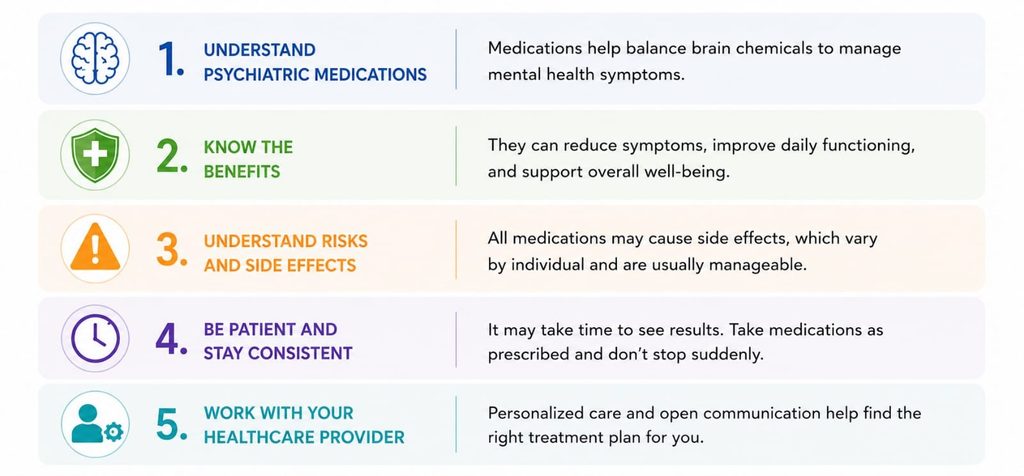
If symptoms such as anxiety, depression, difficulty focusing, or mood changes are making it harder to stay productive, maintain relationships, or keep up with responsibilities, psychiatric medications may be one treatment option your provider recommends. These medications are designed to address symptoms that make everyday responsibilities harder to manage.
Providers may recommend medication when symptoms begin interfering with work performance, relationships, school responsibilities, sleep, or everyday functioning. By affecting certain brain chemicals involved in mood, focus, sleep, and emotions, these medications can help many people function more effectively in their daily lives.
The American Psychiatric Association [1] explains that psychiatric medications can help reduce symptoms and improve daily functioning for many people with mental health conditions. These medications are often used alongside psychotherapy as part of a comprehensive treatment plan. Regular follow-up visits allow psychiatric providers to monitor progress, address side effects, and adjust treatment when needed to help patients achieve the best possible outcomes.
What Types of Psychiatric Medications Are Commonly Prescribed?
Someone struggling with panic attacks may need a very different treatment approach than someone who has difficulty focusing, managing impulsive behavior, or coping with severe mood changes. Psychiatric providers evaluate your symptoms, medical history, treatment goals, and daily challenges before recommending a medication. The goal is to find a treatment option that addresses your specific concerns while supporting your overall mental health and quality of life.
Several categories of psychiatric medications are commonly used in mental health treatment. These include antidepressants for anxiety and depression, anti-anxiety medications for excessive worry and panic symptoms, stimulant medications for ADHD, mood stabilizers for bipolar disorder, and antipsychotic medications for certain severe mental health conditions. Regular follow-up appointments help providers monitor progress, manage side effects, and make treatment adjustments when needed to support safe and effective long-term care.
Which Conditions Do Psychiatric Medications Commonly Treat?
Treatment is often considered when symptoms begin affecting your ability to function day to day. Some people struggle with panic attacks, while others have difficulty focusing, controlling impulsive behavior, managing mood changes, or getting through routine responsibilities. Providers recommend treatment based on your diagnosis, treatment goals, and overall health needs. When used appropriately, medications can help reduce symptoms and support daily life.
Conditions commonly treated with psychiatric medications include:
- Anxiety disorders
- Depression
- Attention-deficit/hyperactivity disorder (ADHD)
- Bipolar disorder
- Panic disorder
- Obsessive-compulsive disorder (OCD)
- Post-traumatic stress disorder (PTSD)
- Sleep problems related to mental health conditions
- Adjustment-related emotional difficulties
Treatment plans vary from person to person. Psychiatric providers monitor your progress, evaluate side effects, and make adjustments when needed. Regular follow-up appointments help support safe treatment and better long-term outcomes.
How Do Providers Choose the Right Medication for Different Symptoms?
Not all psychiatric medications work the same way. Two people with similar diagnoses may receive different medications because symptoms, medical history, lifestyle factors, and treatment goals can vary significantly from person to person. For example, medications used for anxiety may be different from those used for ADHD, depression, or mood disorders.
The Anxiety & Depression Association of America (ADAA) [2] explains that medication is often used alongside psychotherapy to help manage anxiety symptoms and improve daily functioning. The organization also notes that treatment plans may require ongoing collaboration with healthcare providers, as medication adjustments are sometimes needed over time. Regular follow-up appointments help monitor treatment response and support effective, individualized mental health care.
What Should You Know About Adderall and Zoloft Together?
Adderall and Zoloft are sometimes used together to help treat ADHD, anxiety, depression, or related mental health symptoms. These medicines work in different ways, so providers carefully monitor treatment. With proper medical care, this combination may help improve concentration, manage emotional symptoms, and support productivity at work, school, or home, while reducing certain mental health symptoms over time.
How These Medications Work
Adderall mainly helps improve focus, attention, and energy in people with ADHD. Zoloft is often used for anxiety and depression. Together, these medicines may help support attention, emotional stability, and day-to-day functioning.
Possible Side Effects
Some people may have sleep problems, headaches, nausea, low appetite, or nervousness while using these medicines together. Side effects can be different for everyone. Regular follow-ups help providers check your progress and adjust treatment safely when needed.
Importance of Medical Guidance
These medicines should only be taken under professional medical care because each person responds differently to treatment. Providers regularly check your symptoms, health history, and emotional changes. This helps improve safety and supports better long-term mental health care.
Therapy and Regular Support
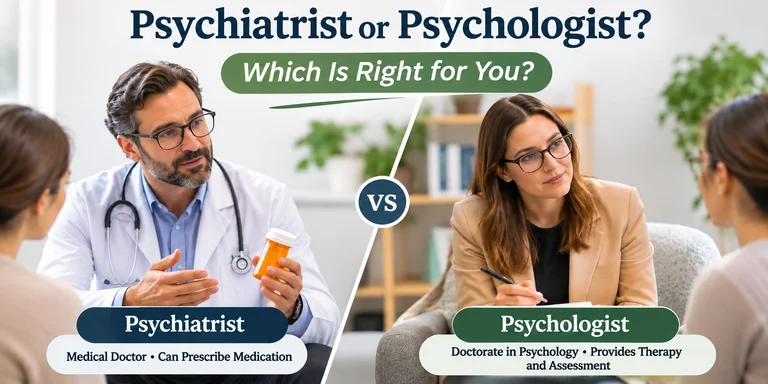
Mental health counseling can help you manage stress, emotions, and daily problems more effectively. Therapy also teaches healthy coping skills, while psychiatric medications help lower symptoms and improve emotional regulation in daily life.
According to the Drugs.com [3] drug interaction report, taking Adderall and Zoloft together may increase the risk of side effects such as nervousness, anxiety, restlessness, and racing thoughts. The report also warns that combining these medications can increase the risk of serotonin syndrome, a rare but serious condition that requires prompt medical attention. Because the effects of drug interactions can vary from person to person, patients should work closely with their healthcare provider and report any concerning symptoms while using this medication combination.
What Are the Possible Risks and Side Effects of Psychiatric Medications?
Many people worry that side effects mean medication is not right for them, but some side effects improve as the body adjusts during the first few weeks of treatment. Like all medications, psychiatric medications can cause side effects in some people. The type and severity of side effects depend on the medication, dosage, and individual response to treatment. Common side effects may include nausea, headaches, changes in appetite, sleep disturbances, dizziness, or fatigue.
Most side effects improve as the body adjusts to treatment. However, it is important to discuss any concerns with your psychiatric provider rather than stopping medication on your own. Regular monitoring helps providers identify side effects early, make dosage adjustments when necessary, and ensure treatment remains both safe and effective over time.

Start Your Mental Health Journey With MindVita Today
If anxiety, depression, mood changes, or other mental health concerns are making daily life harder, professional treatment can help. The right combination of medication management, therapy, and ongoing care may help reduce symptoms, improve focus, manage emotional symptoms,improve concentration and emotional stability, and help you regain confidence, stay productive, and handle everyday responsibilities with less stress.
At MindVita, our psychiatric providers take the time to understand your unique concerns, symptoms, and goals, creating a personalized treatment plan tailored to your specific needs. Through secure and convenient online care, you can receive medication management, therapy guidance, and ongoing follow-up support from experienced mental health professionals. Contact us today and learn how treatment may help you feel more in control of your symptoms and daily life.
FAQs
Can Psychiatric Medications Help With Daily Life?
Yes, psychiatric medications can make it easier to focus, complete tasks, manage emotions, and stay engaged with work, school, or family responsibilities. As symptoms become easier to manage, you may feel calmer and more confident. In many cases, treatment also works better when combined with mental health counseling and regular follow-ups.
Can you take psychiatric medications with therapy?
Yes, many people use psychiatric medications along with therapy for better mental health support. This combination may help you manage emotions, reduce stress, and improve coping skills. Therapy also helps you understand your thoughts and behaviors more clearly. Together, both treatments can support healthier coping skills and better symptom management over time.
Can mental health counseling work without medication?
Yes, mental health counseling can work without medication for many people. Therapy helps you understand emotions, manage stress, and develop healthy coping skills. It may improve anxiety, sadness, or relationship problems over time. However, some conditions may need both counseling and psychiatric medications for better symptom control and improved day-to-day functioning.
Can you stop psychiatric medications when you feel better?
You should not stop psychiatric medications on your own, even if you feel better. Suddenly stopping treatment may cause unwanted symptoms or mood changes. Your provider can guide you safely and decide if you should continue, reduce, or change the medication slowly for better mental and emotional health support.
Do psychiatric medications have side effects?
Some psychiatric medications can cause mild side effects such as tiredness, nausea, sleep problems, or appetite changes. These effects often improve after some time. Your provider may also change the dose to help you feel better. Regular follow-ups are important because they help support safe and effective treatment results.
Are psychiatric medications addictive?
Most psychiatric medications are not addictive. However, some medications may require careful monitoring and should only be taken as prescribed. Your psychiatric provider can explain the benefits, risks, and appropriate use of any medication recommended as part of your treatment plan.



One Response