
Anxiety is something that befalls many at one period of life or another. Anxiety is indeed far more than a simple feeling of unease; anxiety can affect daily activities, sleep and even the psyche. While occasional feelings of anxiety cannot be viewed as abnormal, chronic anxiety may mean some underlying condition that may require attention. If you are experiencing constant anxiety you most definitely are not alone. In this article, we delve deeper into what anxiety is, some common symptoms associated with it, causes, effects on sleep and mental health and effective ways to allow you to take charge over your anxiety and improve your quality of life.
Restlessness can be described as an inability to remain still or a state of great anxiety, which makes it impossible for the individual to settle down. Anxiety is related to a number of mental health disorders such as depression and may eventually result in a condition like insomnia. We will conclude the article with some useful advice to help you deal with anxiety in your life.
Restlessness can disrupt sleep, causing frustration and fatigue. Understanding its causes, symptoms, and effective solutions can help you rest better. Consult an online psychiatrist for personalized guidance and support.
What is anxiety?
Anxiety may be described as feelings of unease and restlessness, which sometimes make an individual feel incapable of sitting still. Anxiety is said to affect the mind and body by giving symptoms of nervousness, inability to sit still and racing thoughts. At any given time in life, every person feels anxiety, but when such feelings persist it no doubt disrupts your life.
Feelings associated with anxiety commonly include :
- Physical restlessness: Feeling that your legs or arms are shaking uncontrollably, walking at an accelerated gait or moving.
- Mental restlessness: May manifest as racing thoughts, an inability to focus or agitation.
- Sleep disturbances: There is a difficulty in initiating or maintaining sleep due to discomfort caused by restlessness.
Anxiety symptoms: What You Need to Know
Anxiety can manifest in different ways, depending on the individual involved and for that matter, depending on the root cause. Key symptoms one should seek include:
- Anxiety/Restlessness: A general feeling of unease that makes it difficult to relax.
- Excessive movement: fidgeting, tapping of feet changing positions in seat constantly to alleviate discomfort.
- Irritability: easily frustrated or upset over the tiniest thing simply because one feels continually restless.
- Racing thoughts: A rush of thoughts that simply will not slow down, making it impossible to focus on anything.
- Difficulty in concentrating: Anxiety brings mental distractions that make it hard to focus on tasks at hand or conversations.
If you are experiencing these symptoms on a regular basis that may be a good time to reassess what may be causing your anxiety.
Restlessness and Mental Health: How They Are Connected
Restlessness and mental health often go hand in hand especially when it comes to anxiety, depression or bipolar disorder. Anxiety frequently manifests as part of a broader mental health condition and in these cases, it’s not simply a temporary feeling of unease it’s a sign of more profound emotional or psychological challenges.
Nervousness and mental health issues like anxiety are interconnected, with anxiety often leading to increased physical and mental restlessness, making it difficult to relax or focus. In such cases, nervousness and mental health struggles become a cycle, where physical agitation, constant nervousness and racing thoughts can exacerbate the underlying conditions. Here’s how anxiety deeply relates to mental health: it’s not just a transient emotion but a symptom of deeper mental distress which can significantly impact daily life and well being.

Anxiety and restlessness: Anxiety is in itself a symptom of anxiety
The very moment one gets anxious, the “fight or flight” response of the body is stirred up, thus causing physical unease. You may experience this as disorganized, fast paced or unable to stay still. If you are anxious, you may feel that racing thoughts and a sense of doom or concern go along with it.
Anxiety and depression: Depression is an illness that can bring tremendous discomfort physically and mentally. Normally, people with depression feel irritated, restless and cannot relax. Sometimes they may feel nervousness or cannot focus on anything even though energy levels might be too low to do much.
Sleep disturbance: Restlessness and insomnia
Restlessness and insomnia are closely linked, especially when anxiety is involved. Most often, anxiety contributes to either the inability to fall asleep or stay asleep. As a result, restlessness and insomnia become a persistent issue affecting both physical and mental well being. The constant struggle with nervousness and insomnia can lead to increased fatigue, irritability, and a lack of focus during the day.
This, in turn may worsen the symptoms of anxiety or depression, creating a vicious cycle that becomes difficult to break. The more restless you feel during the night, the more likely insomnia will worsen leading to a continuous loop of discomfort. Without proper intervention or treatment managing nervousness and insomnia can become overwhelming, making it crucial to address the root causes effectively.
Anxiety and insomnia a vicious circle
Anxiety and insomnia simply go hand in hand. If anxiety causes one to have difficulty relaxing then it will further cause difficulty sleeping. Anxiety could, in turn worsen with sleep deprivation. A lack of rest reinforces being on edge to create this never ending cycle of discomfort and sleep deprivation.
In addition, people with sleeplessness accompanied by restlessness symptoms may lie awake for hours due to continuous physical discomforts or racing thoughts that make it impossible to relax. This ongoing agitation can significantly disrupt their sleep patterns, leading to even more nervousness the following day. When they finally rise, they may feel fatigued, irritable or mentally groggy, which only contributes to the cycle of restlessness symptoms throughout the day. The inability to rest properly due to these persistent nervousness symptoms can further hinder their ability to focus, concentrate or even enjoy daily activities creating a constant feeling of unease.
Common Causes of Restlessness
First, to know how to deal with restlessness effectively, it is important to understand its causes. Many are the causes that may lead a person to experience nervousness which range from mental health conditions down to physical disorders. Here are some common causes:
Psychiatric Conditions: Anxiety, depression and bipolar disorders include some of the medical conditions related to nervousness. Restlessness is acting either as one of the symptoms or as a contributing factor as individuals affected with these disorders may have problems related to uncomfortable feelings of always being agitated.
Restless Legs Syndrome: A neurologic disorder originating with an uncontrollable impulse to move the legs and this usually happens at times when the patient is either sitting or lying down. It is generally more serious in the evening and nighttime thus causing disturbed sleep and insomnia.
Hyperthyroidism: An overactive thyroid can easily cause nervousness, irritability and even nervousness physically. It occurs when the thyroid gland manufactures too much of the thyroid hormone, which causes a higher metabolic rate and physical manifestations such as trembling, muscular weakness and nervousness.
Medication side effects: Anxiety is a potential side effect of some medications. These include certain antidepressants, antipsychotics and blood pressure medications. If you think any medication is causing anxiety seek advice from your healthcare provider.
Withdrawal symptoms include symptoms of anxiety and agitation associated with withdrawal from drugs or alcohol. Sometimes these symptoms are transitory but more often they are extreme enough to disrupt day to day functioning.
How to Manage and Overcome Restlessness
Fortunately, there are several anxiety management methods and techniques for reducing anxiety. Treatment options would doubtless depend upon the cause of your symptoms but here are a few strategies that will help you find your relief.
1. Relaxation techniques
These relaxation techniques might include, but are not limited to, deep breathing, muscle relaxation and mindfulness meditation. These could be some of the very important avenues for enabling your mind and body to relax. The regular practice of this would help in reducing feelings of anxiety and nervousness.
Deep breathing: Slowly inhale for four seconds, hold for seven seconds and exhale for eight seconds. This type of breathing relaxes the nervous system and may decrease anxiety.
Mindfulness meditation involves observing the present moment and trying to let go of racing thoughts. Meditation may help decrease mental anxiety and promote relaxation.
2. Physical Activity
It also helps to exercise as a way of releasing built up mental energy and reduces physical anxiety. Regular exercise can reduce anxiety, improve sleep and thereby reduce restlessness.
3. Address underlying conditions
Certain restive conditions may be related to other medical conditions such as anxiety and depression, or RLS. It is suggested that proper treatment be instituted for such conditions. Treatment, medication or a combination of therapies may reduce symptoms and alleviate restlessness.
4. Sleep Hygiene
Improvement in sleep habits is important in the management of restlessness, if it’s contributing to insomnia. Following are some suggestions for better sleep: Establish a regular sleep pattern. Establish a quiet bedtime routine. Limit caffeine and screen time before bedtime. Keep your bedroom quiet and dark.
5. Avoid stimulants
This can be exacerbated by caffeine, nicotine and alcohol consumption, among other stimulating substances. It is better to avoid these altogether, especially in the evening whenever rest and good sleep are targeted.
Anxiety and mental health: why seek help?
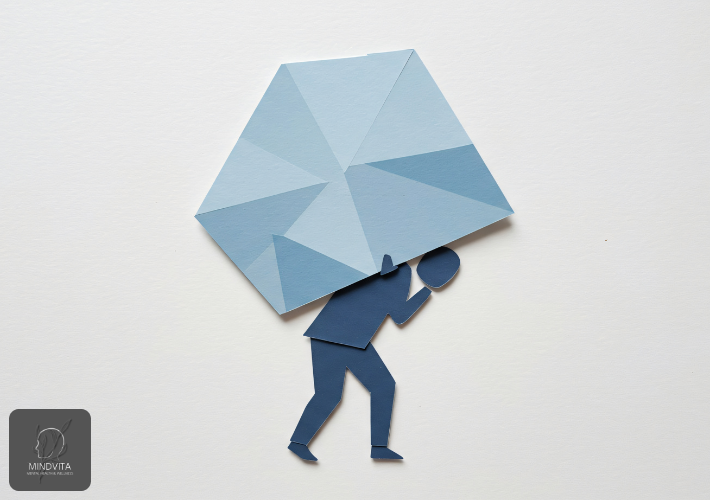
If you are suffering from nervousness due to anxiety, depression or other mental states, it is highly advisable to seek professional help. Online therapy services offered through MindVita will be of great help in how to manage anxiety and other metal health issues causing nervousness. With professional advice, you’ll be able to deal with the core reason for these symptoms and seek practical strategies to manage them.
Conclusion
Anxiety is disrupting, but you need to know this is not something you have to live with for life. You can improve the quality of your life and sleep by recognizing symptoms of anxiety, understanding what caused it and taking proactive steps to manage your anxiety. If you have been feeling anxious for a long time, you may want to look into MindVita. MindVita offers professional online therapy that can help you address your anxiety issues along with your mental health.
Call MindVita today and talk to one of our professional therapists; let us get you on your way towards overcoming anxiety so you may sleep much better and enjoy a life of peace.
Frequently Asked Questions (FAQs)
1. Anxiety does lead to restlessness?
Yes, anxiety is a symptom of anxiety in itself. The body is revved up when you are anxious about something thus often leading to physical restlessness, agitation and inability to relax.
2. How does anxiety impact sleep?
Nervousness may interfere with both falling asleep and staying asleep. It is very much prone to causing insomnia, which, in turn increases anxiety due to the vicious cycle of sleep deprivation and increased anxiety.
3. What are the symptoms of restless legs syndrome?
The dominant symptom of RLS is a strong urge to move your legs, especially while sitting or lying down. It is typically accompanied by sensations of discomfort, tingling, or crawling in the legs.
4. How can I manage restlessness naturally?
Consider natural management of nervousness that includes deep breathing, regular exercise and improvement in sleep routine. It may also include avoidance of triggers and mindfulness.
5. When restlessness persists does it require professional help?
Yes, if it is persistent and creates interference in your life then it requires professional help. Certain therapies and prescribed treatments aim at eliminating root causes and providing relief from symptoms.