
A midlife crisis is a period when you begin questioning important parts of your life, such as your goals, relationships, career, or sense of purpose. These feelings often appear during major life transitions and can create uncertainty about the future. Both men and women can experience a midlife crisis, which may affect confidence, decision-making, and overall emotional well-being.
If you feel stuck, dissatisfied, or uncertain about your next steps, professional support can help you move forward with greater clarity. At MindVita, our psychiatric providers take time to understand your experiences, concerns, and personal goals. We provide individualized support, practical coping strategies, and ongoing guidance tailored to your needs. With the right help, you can navigate life changes more confidently and create a healthier path forward.
What Is a Midlife Crisis and Why Does It Happen?
A midlife crisis is a period of self-reflection that often occurs during middle adulthood. People may begin to question their careers, relationships, achievements, or future direction. The meaning of a midlife crisis goes beyond simply feeling unhappy. It often involves reevaluating priorities, personal goals, and the life path you have followed so far. While these feelings can be challenging, they are often linked to important life transitions and changing responsibilities.
Several factors can contribute to a midlife crisis. Common triggers include career changes, children becoming more independent, health concerns, aging parents, or increased awareness of aging. These experiences may lead people to reflect on past accomplishments and think more deeply about future goals. As priorities change, some individuals feel uncertain about their identity, purpose, or the next stage of their lives.
Midlife experiences vary from person to person. While some individuals struggle with uncertainty or dissatisfaction during this stage, others view it as a period of growth and new opportunities. Research published in Perspectives on Psychological Science [1] found no clear evidence that everyone experiences a midlife crisis. Instead, people’s experiences differ based on their life circumstances, goals, relationships, and overall well-being.
What Are the Common Signs of a Midlife Crisis in Men and Women?
A midlife crisis often involves emotional and behavioral changes that develop gradually over time. Many people begin to feel dissatisfied with parts of their lives that once felt meaningful. They may question personal achievements, future goals, relationships, or important life decisions. As a result, they may feel uncertain about their direction and struggle to find the same sense of purpose or fulfillment they once had.
Research from the Midlife in the United States (MIDUS) [2] study suggests that midlife is often associated with increased responsibilities, caregiving demands, and life transitions rather than a universal crisis. The researchers found that only about 10–20% of adults in the United States report experiencing a midlife crisis. This suggests that while some people face significant challenges during midlife, many others adapt successfully and continue to maintain positive well-being.
When Does a Midlife Crisis Usually Occur and Who Is Most Affected?
A midlife crisis most often occurs during the middle adult years, typically between ages 40 and 60. However, there is no exact midlife crisis age because experiences vary from person to person. Some individuals face emotional challenges during this stage, while others adapt well to life changes. Factors such as personal circumstances, responsibilities, health, and major life events can influence how someone experiences midlife.
Common factors associated with midlife challenges include:
- Career Transitions: Changes in job responsibilities, career satisfaction, retirement planning, or professional goals can lead to increased self-reflection and uncertainty.
- Empty Nest Changes: Parents may experience emotional adjustments as children become independent and leave home, which can alter daily routines and family roles.
- Aging Parents: Many middle-aged adults take on caregiving responsibilities for older family members. These added responsibilities can increase stress and emotional demands.
- Health Concerns: Physical changes, new health conditions, or increased awareness of aging can encourage people to reassess priorities and future plans.
- Major Life Adjustments: Events such as divorce, relocation, financial changes, or the loss of a loved one can create significant life transitions that affect emotional well-being.
Midlife often brings several changes at the same time. Career shifts, family responsibilities, health concerns, and major life transitions can create new pressures that require adjustment. The intensity of these experiences varies from person to person. Understanding these factors can help you recognize why this stage feels challenging and when additional support may be helpful.
How Can a Therapist for Midlife Crisis Help You Move Forward?
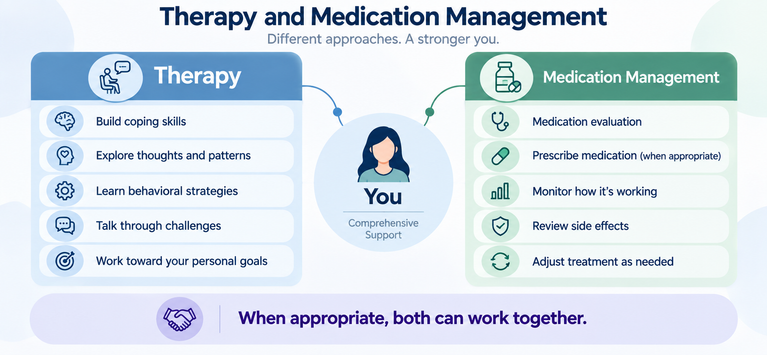
A therapist for a midlife crisis can help you better understand the thoughts and emotions that may arise during major life transitions. Many people feel uncertain about their future, question long-held goals, or struggle with changes in relationships and responsibilities. Professional support provides a safe space to explore these concerns, gain perspective, and identify practical ways to move forward with greater clarity and confidence.
Therapy also helps you develop healthy coping strategies for managing stress, uncertainty, and emotional challenges. As you work through concerns and identify personal strengths, you can begin rebuilding confidence and creating meaningful goals for the future. In addition, therapy can improve communication and strengthen relationships, helping you navigate this stage of life with a renewed sense of purpose and direction.
Can You Turn a Midlife Crisis Into an Opportunity for Personal Growth?
Yes. A Midlife Crisis can become an opportunity for personal growth when you use it as a time to reassess priorities, values, and future goals. Although this stage may bring uncertainty, it can also encourage positive change. Many people gain a clearer understanding of what matters most and begin making decisions that better align with their current needs and aspirations.
During this process, several practical steps can support growth and personal development:
Practice Healthy Self-Reflection
Take time to evaluate your experiences and priorities with honesty and balance. Understanding what has changed in your life can help you make more intentional decisions moving forward. Journaling, meditation, or simply setting aside quiet time for reflection can help you identify patterns in your thoughts and behaviors. By examining both your successes and disappointments, you can gain valuable insight into what truly brings you fulfillment and what areas of your life may need adjustment.
Set Meaningful Goals
Focus on goals that reflect your current values and interests. Meaningful goals can provide direction, increase motivation, and help create a stronger sense of purpose. Rather than pursuing objectives based on external expectations, consider what genuinely matters to you at this stage of life. Whether your goals involve career development, personal relationships, health, education, or creative pursuits, aligning them with your authentic priorities can make them more rewarding and sustainable.
Strengthen Emotional Resilience
Learning to adapt to challenges can improve your ability to manage stress and uncertainty. Resilience helps you respond to life changes with greater confidence and flexibility. Developing healthy coping strategies, such as maintaining supportive relationships, practicing stress-management techniques, and focusing on problem-solving skills, can help you navigate difficult periods more effectively. Over time, resilience can increase your confidence in handling future transitions and setbacks.
Build a Renewed Sense of Purpose
Exploring new interests, relationships, or activities can create fresh opportunities for fulfillment. Small changes can often lead to a greater sense of meaning and satisfaction. Many people discover that midlife is an ideal time to revisit old passions, learn new skills, volunteer, mentor others, or become involved in their communities. These experiences can provide a renewed sense of contribution and help create a deeper connection to the people and activities that matter most.
Create Realistic Plans for the Future
Breaking larger goals into manageable steps can make progress feel more achievable. A practical plan can help you stay focused and maintain momentum over time. Consider establishing short-term and long-term objectives, tracking your progress regularly, and adjusting your plans as circumstances change. Having a clear roadmap can reduce feelings of uncertainty and provide a greater sense of control as you work toward the future you want to create.
Research published in the Journal of Happiness Studies [3] suggests that opportunities for personal growth continue throughout adulthood. The research highlights that psychological well-being encompasses a sense of purpose in life, continued growth, and positive functioning. This suggests that midlife can be a time to develop new strengths, reassess priorities, and build a greater sense of meaning and fulfillment.
Talk With a MindVita Provider About Your Midlife Crisis Today
Feeling stuck, losing direction, struggling with relationship stress, or worrying about the future can make everyday life feel overwhelming. You may find yourself questioning important decisions or having difficulty adjusting to changes that once seemed manageable. When these feelings persist, professional support can help you better understand what you are experiencing and identify practical ways to move forward.
At MindVita, our psychiatric providers take the time to understand your concerns, life circumstances, and personal goals. We offer comprehensive evaluations, personalized recommendations, supportive therapy options, and ongoing guidance tailored to your needs. Whether you are navigating major life transitions or seeking greater clarity about your future, our team is here to help. Contact us today and take the first step toward building confidence, finding direction, and creating meaningful change.
FAQs
Can a Midlife Crisis Affect Your Physical Health?
Yes. Ongoing stress, worry, and emotional strain can affect your physical well-being. Some people notice changes in sleep, energy levels, appetite, or overall health. Although a midlife crisis is primarily emotional, the effects can influence how you feel physically. Taking care of both mental and physical health is important.
Is a Midlife Crisis the Same as Depression?
No. A midlife crisis and depression are different experiences. A midlife crisis often involves questioning life choices, goals, or identity during major life transitions. Depression is a mental health condition with symptoms such as persistent sadness and loss of interest. A professional evaluation can help identify the difference.
How Long Does a Midlife Crisis Usually Last?
There is no set timeline. Some people experience challenges for a few months, while others struggle for a longer period. The duration often depends on personal circumstances, coping skills, and available support. Addressing concerns early can help you adapt more effectively and reduce ongoing distress.
Can a Midlife Crisis Improve Without Professional Help?
Some people work through midlife challenges on their own by making positive changes and relying on support from family and friends. However, others continue to feel stuck or overwhelmed. If concerns begin affecting relationships, work, or daily life, professional guidance may provide additional support.
Can Major Life Changes Trigger a Midlife Crisis?
Yes. Significant events such as retirement, divorce, career changes, health concerns, or the loss of a loved one can increase emotional stress during midlife. These experiences may lead people to reassess priorities and future goals. How someone responds often depends on their circumstances and support system.
Reference
- Galambos, Nancy L et al. “The U Shape of Happiness Across the Life Course: Expanding the Discussion.” Perspectives on psychological science : a journal of the Association for Psychological Science vol.
- Lachman, Margie E et al. “Midlife as a Pivotal Period in the Life Course: Balancing Growth and Decline at the Crossroads of Youth and Old Age.” International journal of behavioral development vol. 39,1 (2015): 20-31.
- Ryff, C.D., Singer, B.H. Know Thyself and Become What You Are: A Eudaimonic Approach to Psychological Well-Being. J Happiness Stud 9, 13–39 (2008).