
Are you wondering whether therapy, medication, or both can help you recover from PTSD? PTSD treatment in Reston, VA, often combines these approaches to reduce symptoms and improve daily life. Therapy helps you process trauma, while medication may ease severe symptoms. Your treatment plan depends on your individual needs and recovery goals.
PTSD can affect your sleep, relationships, work, and sense of safety long after a traumatic experience. Getting professional support early can help you understand your symptoms and begin treatment before they become more difficult to manage.
At MindVita, we believe everyone deserves the right support for PTSD. Our psychiatric providers work with you to find a treatment plan that fits your needs. Schedule a consultation today and learn how the right care can help you move toward a healthier and more confident future.
How Do You Know It’s Time to Seek Professional Help for PTSD?
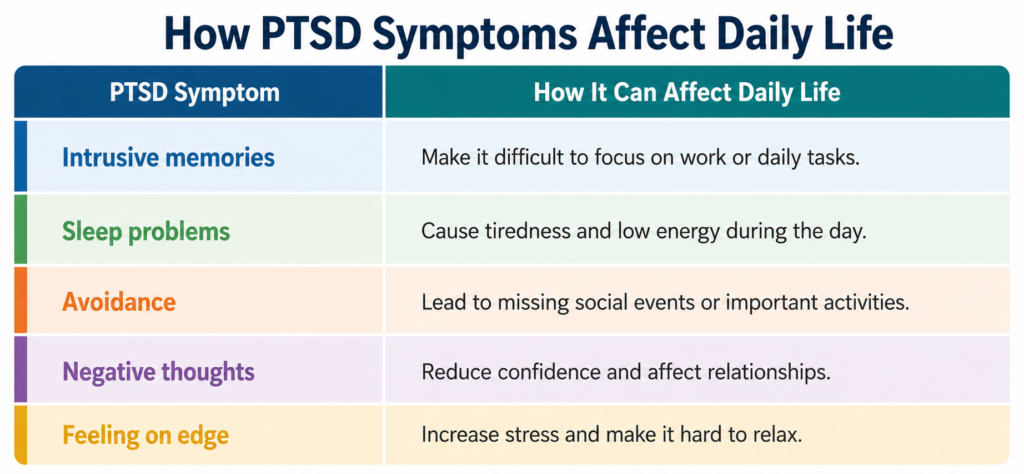
If upsetting memories, nightmares, avoiding certain places, feeling constantly on edge, or emotional numbness are making it difficult to work, sleep, maintain relationships, or enjoy daily life, it may be time to seek professional help. Early treatment can reduce symptoms and help you regain confidence in everyday activities.
According to a 2024 Annals of Internal Medicine [1], early assessment and evidence-based treatment can reduce PTSD symptoms and improve daily functioning. If PTSD affects your work, sleep, relationships, or emotional well-being, seeking professional help as early as possible can support recovery and improve your quality of life.
How Does Therapy Help You Recover From Trauma?
Therapy helps you understand how trauma affects your thoughts, emotions, and daily life. It also teaches practical ways to handle stress and difficult memories. Over time, you can build healthy coping skills, feel more confident, and improve your emotional health. Many people choose PTSD therapy as part of their recovery journey.
Here are some ways therapy can help:
- Understand your feelings: Learn why certain memories or emotions return and how to respond in a healthy way.
- Build coping skills: Practice simple techniques to manage stress, reduce triggers, and stay calm in difficult situations.
- Work through trauma: Talk about painful experiences in a safe and supportive environment at your own pace.
- Improve daily life: Strengthen relationships, sleep better, and feel more confident as you continue healing.
Therapy gives you the support and tools to make steady progress. As your confidence grows, daily challenges often become easier to handle. If you are looking for PTSD treatment in Reston, VA, therapy can be an important step toward long-term recovery and a better quality of life.
When Can Medication Become Part of Your Treatment Plan?
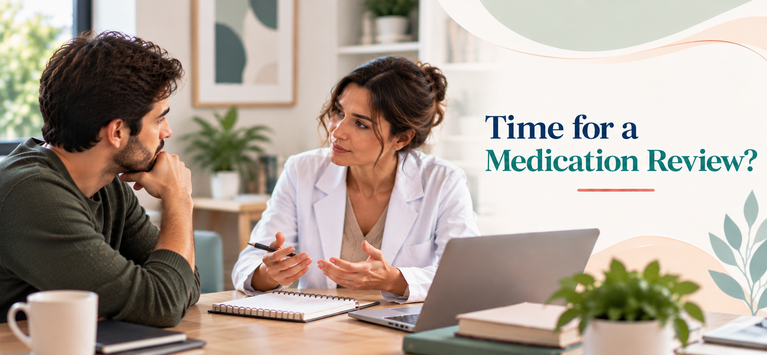
Medication may be recommended when PTSD symptoms become difficult to manage or begin to affect your daily routine. For example, you may struggle with sleep, constant fear, low mood, or emotional stress. In this situation, your psychiatric provider will carefully evaluate your condition. Then, they will recommend therapy, medication, or a combination based on your individual needs.
According to the VA National Center for PTSD [2], medication may help when PTSD symptoms affect your daily life. It often works best with therapy. However, not everyone needs medication. Your psychiatric provider will review your symptoms and medical history. Then, they will choose the treatment that best fits your needs.
Which Treatment Options Support Long-Term PTSD Recovery?
Long-term PTSD recovery often includes more than one treatment. The right plan depends on your symptoms and personal needs. It can reduce distress and improve daily life. Your psychiatric provider will recommend the best option for your recovery goals.
Cognitive Behavioral Therapy (CBT)
CBT helps you change unhelpful thoughts and behaviors. It teaches healthy coping skills. Over time, you can manage stress more effectively. Many people also feel more confident in daily life.
Eye Movement Desensitization and Reprocessing (EMDR)
EMDR helps you process traumatic memories safely. It reduces the emotional impact of past events. As a result, many people feel less distressed. It also supports long-term healing.
Medication Management
Medication can reduce symptoms such as anxiety, low mood, or poor sleep. It often works well with therapy. Your psychiatric provider will monitor your progress. They will adjust treatment if needed.
Online PTSD Therapy
Online therapy lets you receive care from home. It offers more flexibility and privacy. You still receive evidence-based treatment. Therefore, it is a good option for many people.
According to the American Psychological Association [3], evidence-based treatments such as CBT and EMDR can reduce PTSD symptoms and improve daily functioning. These treatments support long-term recovery. A personalized care plan also helps you maintain progress and improve your quality of life.
Take the First Step Toward PTSD Recovery Today with MindVita
Living with PTSD may leave you feeling constantly alert, emotionally exhausted, or unable to enjoy the parts of life that once felt normal. You may avoid reminders of trauma, struggle with sleep, or feel disconnected from the people around you. Recovery is possible with the right support and treatment.
At MindVita, our psychiatric providers offer personalized care based on your needs. We provide evidence-based therapy, medication management when needed, and convenient online appointments. Contact us today and take the first step toward lasting PTSD recovery.
FAQs
What are the most common PTSD symptoms?
Common PTSD symptoms include unwanted memories, nightmares, and feeling scared or tense. You may avoid people, places, or situations that remind you of the trauma. Some people also feel sad, angry, or emotionally distant. If these symptoms affect your daily life, it is important to seek professional help.
How long does PTSD treatment usually take?
PTSD treatment does not take the same time for everyone. Some people feel better within a few months. Others need more time to heal. Your progress depends on your symptoms and treatment plan. Regular therapy and follow-up care can help you recover step by step.
Is online PTSD therapy as effective as in-person therapy?
Yes, online PTSD therapy can be as effective as in-person therapy for many people. It offers the same evidence-based treatment while giving you more flexibility and privacy. However, the best option depends on your symptoms, comfort level, and personal needs. A mental health professional can help you choose the right approach.
Can PTSD come back after successful treatment?
Yes, PTSD symptoms can come back during stressful times or after a new traumatic event. However, this does not mean your treatment failed. Many people feel better again with the right support. Seeing a mental health professional early can help you manage symptoms and stay on the path to PTSD recovery.
How do I know if I need therapy, medication, or both for PTSD?
You may need therapy medication, or both if your PTSD symptoms affect your daily life, relationships, sleep, or work. A mental health evaluation helps identify the best approach for you. In many cases, therapy is the first step. However, medication may also help when symptoms feel severe or make recovery more difficult.



One Response