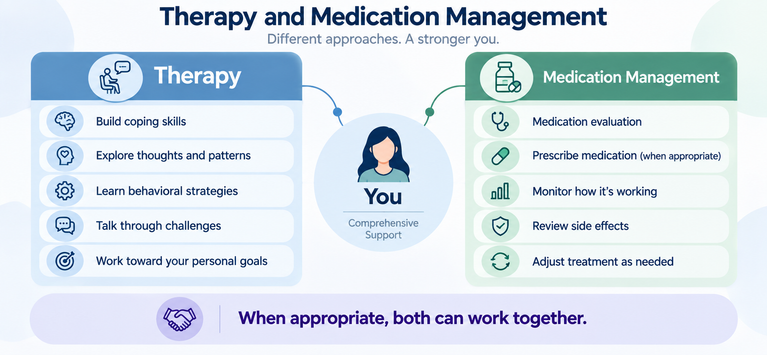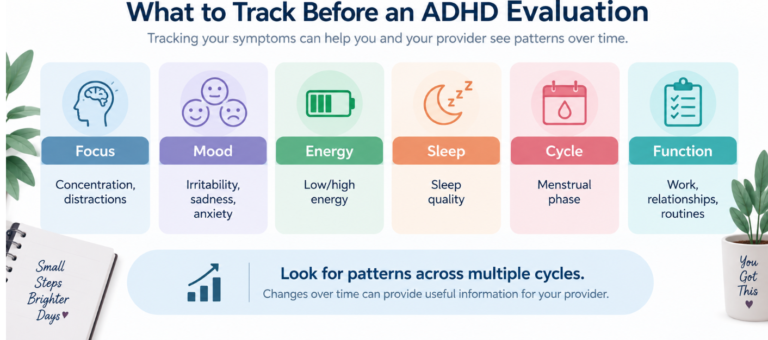

Are difficult memories still affecting how you feel or respond each day? You may notice changes in sleep, mood, focus, or relationships. You might also avoid situations that remind you of past events. When these changes persist, professional guidance can help. A qualified provider can assess your concerns and suggest suitable care for your needs.
At MindVita, we offer personalized support for people facing trauma-related concerns. Psychiatric providers listen carefully and discuss your symptoms without judgment. They can help you explore suitable treatment options and coping strategies. Each plan considers your needs and goals. Schedule a consultation today to explore your care options and move forward with greater confidence.
What Happens When Trauma Symptoms Start Affecting Daily Life?
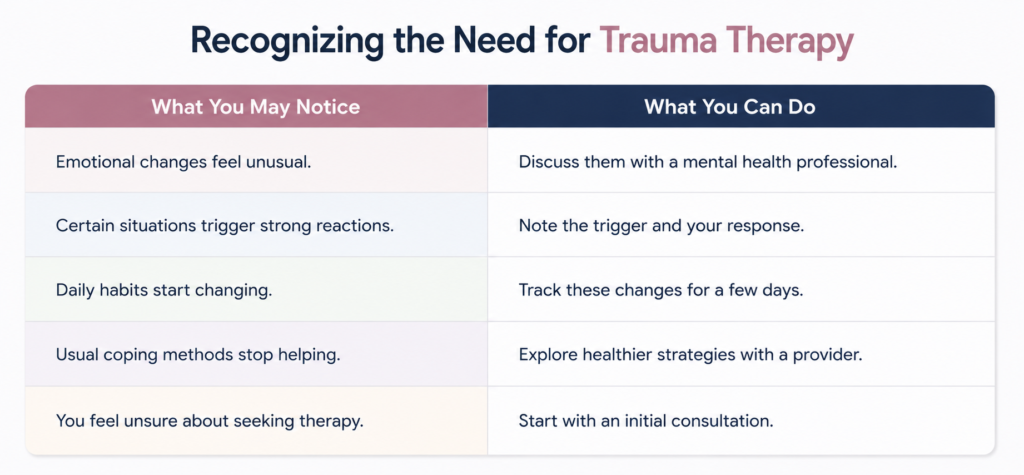
When trauma symptoms affect daily life, you may struggle with sleep, concentration, emotions, or relationships. You might withdraw from activities you once enjoyed. Work and personal responsibilities can also become harder. These changes may continue even when you feel safe. Recognizing their impact can help you decide when professional guidance could support your mental health.
According to research in the Journal of Psychiatric Research [1], PTSD can affect several areas of daily functioning. A systematic review examined 34 studies involving 14,206 participants. The findings showed difficulties with relationships, work, self-care, and everyday activities. Therefore, ongoing concerns may need professional attention when they interfere with your routine or quality of life.
Which Signs Suggest You May Need Professional Support?
You may need professional support when trauma-related symptoms continue or affect everyday life. These changes can involve your mood, sleep, thoughts, behavior, or relationships. You might also struggle to feel safe or relaxed. However, having one symptom does not confirm PTSD. A mental health professional can assess your experiences and help you understand whether treatment may benefit you.
Some signs deserve closer attention, especially when they continue or become harder to manage:
- Frequent unwanted memories: You may experience upsetting thoughts or memories that return without warning.
- Avoiding reminders: You might stay away from people, places, or situations linked to a difficult experience.
- Sleep difficulties: Nightmares or trouble staying asleep can affect your energy and daily activities.
- Strong emotional reactions: Fear, anger, sadness, or irritability may appear more often than usual.
- Difficulty concentrating: You may find it harder to focus on work, studies, conversations, or routine tasks.
- Changes in relationships: Trust, communication, or emotional closeness may become more difficult.
- Low mood or loss of interest: Trauma can occur alongside depression and reduce interest in activities you once enjoyed.
- Effects of childhood trauma: Earlier experiences may continue to influence emotions, coping patterns, or relationships later in life.
If these signs interfere with your routine, consider speaking with a qualified trauma counselor. Support can help you understand your reactions and identify suitable next steps. You do not need to wait until symptoms become severe. Early guidance may also help you develop healthier coping skills. Most importantly, your concerns deserve careful attention and compassionate care.
What Types of Therapy Can Help With Trauma-Related Symptoms?
Several therapy options can help manage trauma-related symptoms. These include trauma-focused cognitive behavioral therapy, EMDR therapy, and prolonged exposure. Cognitive processing therapy can also help with PTSD. Your symptoms, history, and goals can guide the choice. A qualified provider can explain each approach and help you select suitable care.
According to research published in the European Journal of Psychotraumatology [2], several psychological treatments can reduce PTSD symptoms. A systematic review examined 114 randomized trials involving 8,171 participants. The findings supported trauma-focused CBT and EMDR. Cognitive Processing Therapy and Prolonged Exposure also showed strong evidence. Therefore, your provider can help identify an approach that suits your needs.
How Can You Find the Right Therapist for Your Needs?
Choosing the right therapist starts with checking their qualifications, experience, and treatment approach. Look for someone who understands trauma-related concerns and listens carefully. Next, consider whether their methods match your needs. A comfortable relationship also matters. Therefore, ask questions during your first appointment. This can help you decide whether the provider feels suitable for your care.
Trauma-Specific Experience
Choose a provider with relevant experience in trauma care. Their background may include PTSD, anxiety, depression, or childhood trauma. Ask about their training, credentials, and experience with concerns similar to yours.
Evidence-Based Treatment Approach
Consider therapists who use established treatment methods. These may include EMDR therapy, trauma-focused CBT, or other evidence-based approaches. Ask how each option works and why they recommend it for your situation.
Comfortable Therapeutic Relationship
A supportive connection can make therapy easier. Notice how the provider communicates with you during sessions. You should feel heard, respected, and comfortable discussing personal experiences at your own pace.
Personalized Treatment Goals
Discuss what you want to achieve through therapy. Your provider can help set realistic goals based on your concerns. Clear goals also make it easier to track progress and adjust care.
According to research published in Clinical Psychology & Psychotherapy [3], a strong therapeutic alliance can support better treatment outcomes. A systematic review examined 34 studies involving people with PTSD. The findings linked stronger therapist-client relationships with improved treatment outcomes. Therefore, feeling understood, respected, and supported can play an important role during trauma-focused care.
Take the First Step Toward Feeling More Like Yourself with MindVita
You may struggle with painful memories, fear, poor sleep, or sudden emotional changes. These feelings can affect your relationships, work, and daily routine. You may also avoid certain places or situations that remind you of past events. Over time, these challenges can become difficult to manage. However, you do not need to face them without support or guidance.
At MindVita, you can receive compassionate care from experienced psychiatric providers. They listen to your concerns and help you understand what you are experiencing. Together, you can explore treatment options that match your needs and goals. With the right support, you can build healthier coping skills. Contact us today and begin your path toward greater emotional health.
FAQs
Can therapy help with childhood trauma?
Yes, therapy can help you understand and manage the effects of childhood trauma. It may help you recognize emotional patterns, develop healthier coping skills, and improve relationships. Progress can vary for each person. A therapist can create a supportive treatment plan based on your experiences, concerns, and personal goals.
Is EMDR effective for trauma?
Yes, EMDR can help some people with trauma-related symptoms, particularly PTSD. Research supports it as an evidence-based treatment option. However, results can vary based on your symptoms, history, and treatment needs. A qualified mental health professional can determine whether EMDR therapy fits your situation and discuss other suitable approaches.
Can trauma and depression occur together?
Yes, trauma and depression can occur together. You may experience sadness, low energy, hopelessness, or loss of interest after a traumatic experience. Trauma can also make existing depression harder to manage. However, symptoms vary from person to person. A mental health professional can assess your concerns and recommend suitable support.
Can you have PTSD without realizing it?
Yes, you can have PTSD without recognizing it at first. Some symptoms may seem unrelated to past trauma. For example, you might experience anxiety, sleep problems, avoidance, irritability, or unwanted memories. Over time, these changes can affect daily life. A mental health professional can assess your symptoms and provide appropriate guidance.
How do I find a qualified trauma therapist?
To find a qualified trauma therapist, check their license, training, and experience with trauma-related concerns. Next, ask about their treatment approach and areas of expertise. You can also discuss your goals during an initial consultation. Choose someone who makes you feel safe, respected, heard, and comfortable throughout the process.