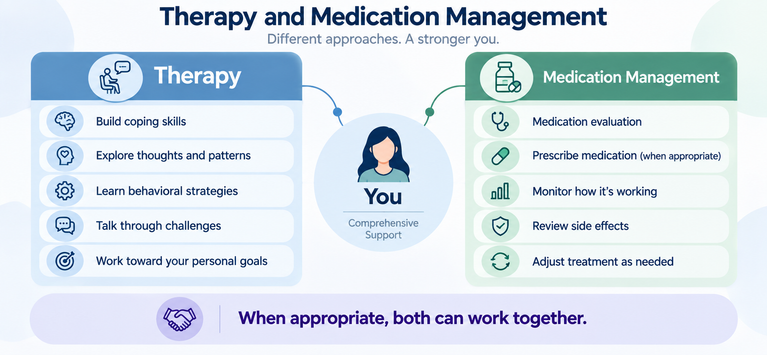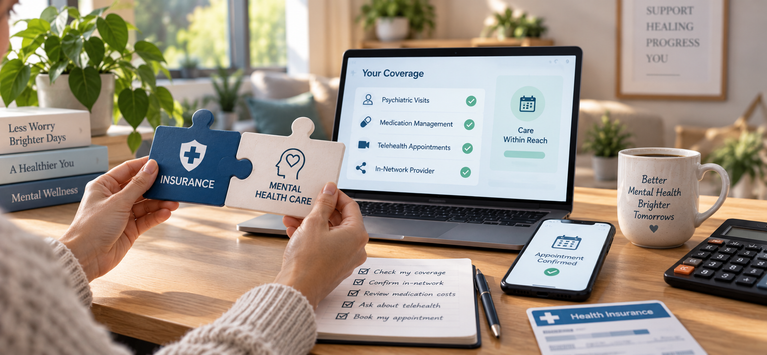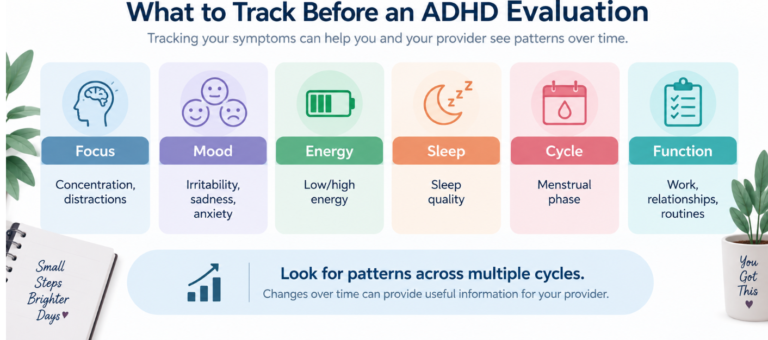

A mental health crisis can develop when stress, trauma, loss, conflict, or major life changes become difficult to cope with. You may notice intense sadness, fear, confusion, anger, or hopelessness. These feelings can affect sleep, focus, relationships, and daily tasks. Recognizing changes early can help you seek suitable support and regain stability before distress becomes harder to handle.
You do not need to face difficult emotions alone. Professional support can help you understand what you are experiencing and identify suitable next steps. At MindVita, psychiatric providers listen to your concerns without judgment. They can assess your symptoms and discuss personalized mental health treatment options. Schedule a consultation today to begin your journey toward better emotional support and stability.
What Happens to Your Mind and Body During a Mental Health Crisis?
During a mental health crisis, you may find it harder to think clearly, manage emotions, or make everyday decisions. You may feel anxious, confused, fearful, or unusually irritable. Your body can also react with faster breathing, muscle tension, poor sleep, or a racing heart. These responses can make daily tasks feel more difficult.
According to a 2022 study published in Psychoneuroendocrinology [1], acute stress can involve psychological and physical responses. Researchers assessed mood, heart rate, heart-rate variability, and cortisol levels. Participants showed different patterns of stress responses. These findings show that intense stress can affect both emotional and physical responses.
What Can Trigger a Mental Health Crisis?
A mental health crisis can develop after severe or ongoing stress, trauma, grief, relationship conflict, or major life changes. Financial problems, work or school pressure, and prolonged sleep problems can also make coping more difficult. For some people, an existing mental health condition may become harder to manage during stressful periods.
According to a 2007 study published in Social Psychiatry and Psychiatric Epidemiology [2], stressful life events were associated with common mental disorders. Researchers analyzed data from 8,580 participants and examined recent and lifetime stressors. These included health threats, bereavement, interpersonal problems, and job loss. However, the strength of these associations varied across age groups.
What Are the Crisis Warning Signs You Should Recognize?
Crisis warning signs can affect your emotions, thoughts, behavior, and daily routine. You may notice sudden mood changes or intense fear. Sleep and eating patterns may also shift. Some people withdraw from others or struggle with basic tasks. Others may feel hopeless, confused, or unable to manage ordinary responsibilities. Recognizing these changes early can help you seek support.
Look for these signs:
- Strong emotional changes: You may experience intense sadness, fear, anger, or hopelessness.
- Social withdrawal: You may avoid family, friends, work, or activities you normally enjoy.
- Sleep changes: You may sleep far more or struggle to rest at night.
- Daily difficulties: Simple tasks may suddenly feel harder to complete.
- Unusual behavior: You may act differently or make decisions that seem out of character.
- Confusion: You may struggle to think clearly or understand what is happening.
- Safety concerns: Thoughts about suicide, self-harm, or harming someone else require immediate emergency support.
Do not ignore major changes that continue or worsen. Talk with someone you trust and explain what you notice. Professional support can help you understand the situation and choose suitable next steps. If you or someone else is in immediate danger, seek emergency help or go to the nearest emergency department.
How Can Crisis Management Help You Regain Stability?
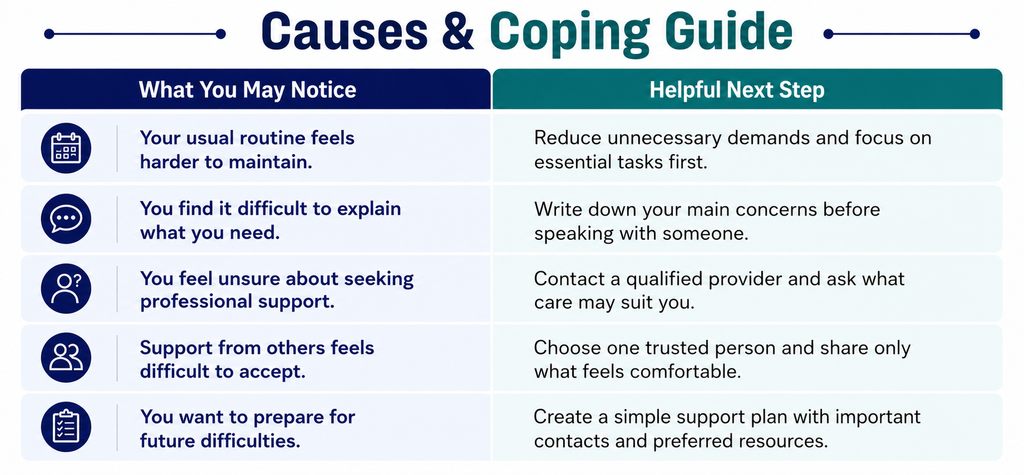
Crisis management can help you regain stability when distress becomes difficult to manage. First, identify immediate safety concerns and urgent needs. Then, focus on simple steps that may reduce distress, such as slowing your breathing, moving to a calmer space, and contacting someone you trust. Professional care can also help you understand what is happening and plan the next steps.
According to a 2022 study published in Issues in Mental Health Nursing [3], people who used a community crisis intervention service valued its non-clinical setting and de-escalation approach. The study highlighted early identification and brief interventions during emotional distress. These findings suggest that community crisis services can provide timely support and help people connect with appropriate care.
When Should You Seek Crisis Support or Emergency Mental Health Care?
You should seek professional help when distress starts affecting your safety or daily functioning. You may struggle with basic tasks, sleep, or clear thinking. Crisis support can help when symptoms feel difficult to manage. However, immediate danger requires urgent care. If you may hurt yourself or someone else, seek emergency mental health care without delay.
When Daily Life Becomes Difficult
If work, school, relationships, sleep, or self-care become difficult, consider professional support. You may need help when ordinary responsibilities feel unusually challenging. Early guidance can help you understand your needs and choose suitable care.
When Emotions Feel Unmanageable
Consider professional support when intense fear, sadness, anger, or distress continues despite your usual coping methods. A mental health professional can help you understand these feelings. They can also provide practical strategies for managing difficult moments.
When You Lose Touch With Reality
Confusion, hallucinations, or difficulty recognizing reality require prompt professional assessment. These symptoms can affect judgment, communication, and safety. Seek urgent care when they appear, especially if they interfere with daily functioning or safety.
When Your Safety Feels Uncertain
Thoughts about suicide, self-harm, or harming someone else require immediate attention. Do not remain alone during this situation. Contact emergency services or visit the nearest emergency department. Prompt care can help protect your safety.
According to a 2017 study in BMC Psychiatry [4], crisis intervention was associated with improvements across several clinical measures. The study included 352 adults receiving specialized crisis care. However, more than half of the participants did not complete treatment. Therefore, the findings should be interpreted cautiously when considering crisis intervention for individual needs.
Get Support for Your Mental Health at MindVita
You may feel emotionally drained when stress keeps building. Daily tasks can start feeling harder than usual. You may struggle with sleep, focus, relationships, or motivation. Sometimes, you may not know why you feel this way. These experiences can leave you feeling stuck. However, you do not have to manage difficult emotions without support.
At MindVita, psychiatric providers listen to your concerns and help you understand what you are experiencing. They can assess your symptoms and discuss suitable mental health treatment options. You can receive personalized guidance based on your needs and goals. With appropriate support, you can better understand your concerns and work toward greater stability. Contact us today to discuss your concerns and take the first step toward getting the mental health support you need.
FAQs
What should I do if I feel like I cannot handle my emotions?
Pause and give yourself a quiet moment. Take slow, steady breaths and focus on one task. Then, contact someone you trust and explain how you feel. Avoid making major decisions while distressed. If these feelings continue or affect your safety, seek professional support promptly. If you may hurt yourself or someone else, seek emergency help immediately.
Can severe stress cause a mental health crisis?
Yes, severe stress can contribute to a mental health crisis. Prolonged pressure may affect your ability to cope. Trauma, major losses, conflict, or financial problems can increase distress. However, everyone responds differently. If stress starts affecting daily life, relationships, or safety, consider speaking with a mental health professional for appropriate support.
How long does a mental health crisis usually last?
There is no fixed timeframe for a mental health crisis. Some crises may improve within hours or days, while others require longer-term support. The cause, symptoms, and available support can affect how long a crisis lasts. If symptoms continue, worsen, or affect your safety, seek professional help promptly.
Can I prevent a mental health crisis from happening again?
You cannot prevent every crisis, but you can lower the risk. First, notice changes in your mood and behavior. Then, identify your common stress triggers. Keep supportive people close and use healthy coping strategies. Also, follow your treatment plan. Finally, seek professional help early when warning signs appear or distress increases.
What should I say to someone experiencing a mental health crisis?
Stay calm and listen without judgment. Give the person time to speak. Show that you care and take their feelings seriously. Next, ask what support they need. Avoid arguments or quick advice. If they seem unsafe, stay nearby. Then, contact a mental health professional or emergency service promptly.