
It strikes when you expect it the least when one feels overwhelmed, unable to regulate their thoughts or physical sensations. Be it triggered through stress, anxiety or simply a panic attack, what is important is to keep in mind the nature of panic mode and how to handle it effectively. This blog will dive into a discussion on panic attacks, how sometimes anxiety attacks vs. heart attacks get confusing, panic attacks while driving and how therapy for mental health can help. We will look at some panic mode medications and how they can be part of your management plan.
Managing panic mode can be overwhelming, but with the right coping strategies, you can regain control. Discover effective solutions, including seeking help from an online psychiatrist, to manage anxiety and stress.
Panic attacks: what are they and how do they manifest themselves?
A panic attack is an extreme state of anxiety during which one’s fight or flight response is on. Panic mode disorder is a condition wherein one feels out of control, with their heart racing, palms sweating, and thoughts spiraling out of control.
Knowing what is happening when you are having a panic attack can help you feel more in control.
Common physical symptoms for anyone experiencing a panic attack include the following :
- Racing heartbeat
- Shortness of breath
- Dizziness
- Chest tightness
These are symptoms that can easily be mistaken for other health conditions, even as severe as a heart attack. Indeed, many have experienced the anxiety attack vs. heart attack dilemma, which caused them to rush to the hospital for a check up. Yet, being able to make this distinction is quite vital for dealing with panic attacks.
Anxiety attacks versus heart attack: know the principal difference
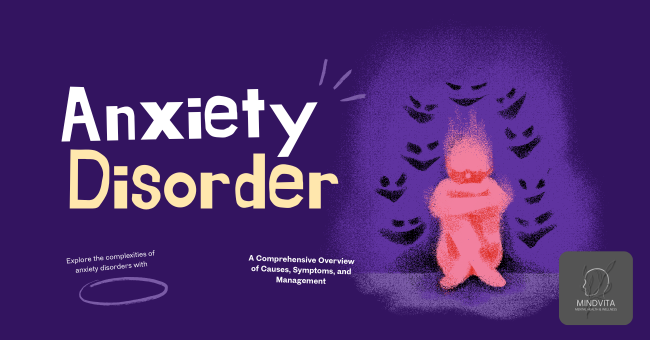
The symptoms of panic can sometimes easily be confused with symptoms of a heart attack. Chest tightness, the feeling of a racing heartbeat and difficulties in breathing may all feel so similar. But there are a number of key ways in which panic attacks and heart attacks differ:
Pain attacks: Pain during panic attacks is usually temporary often lasting a few minutes. The pain is one symptom accompanying feelings of overwhelming fear and dread; it is more closely related to emotional stress.
Generally, heart attacks are characterized by persistent chest pains accompanied by nausea, dizziness and sweating. The pain is more intense and does not disappear after some time.
It is always important to know the difference between the two, but when in doubt one must always seek immediate medical attention. In some individuals who have frequent panic attacks or anxiety, mental health therapy might be required; in many cases, this would be combined with the proper approach toward panic mode medication.
Pain Attacks While Driving: How to Manage Them Safely
Mostly, panic attacks while driving come unexpectedly, which is very dangerous and frightening. The causes of panic attacks may range from heavy traffic to fear of being in some unknown place. On the other hand, with the right coping strategies you can control such attacks and keep yourself safe on the road.
Pull over safely: In case panic mode sets in while driving pull over to the side of the road when safety permits. Take a few deep breaths and give yourself a second to collect your bearings. These simple actions of grounding yourself can often ease physical symptoms of panic attacks somewhat.
Deep breathing techniques: Involve your focus on breathing to slow down the activity of the nervous system. Breathe in for four seconds, hold for four and breathe out for four seconds. Such rhythmic breathing may ease symptoms like shortness of breath and dizziness.
Practice grounding techniques: When these panic attacks occur it can be helpful to redirect your attention to your surroundings. Try to distract all your senses: touch something in the car that is familiar, listen to calming music or even name things that you see around you and take your mind off your panic attack.
Know thy triggers: When specific situations things like tight spaces or busy intersections trigger your panic attacks while driving, it will be easier to strategize a way to prepare ahead of time. In addition, avoiding high stress driving situations when possible can decrease your risk of panic attacks while driving.
Mental Health Therapy: The Key Step Toward Managing Your Panic Mode
Other effective ways of fighting off anxiety and panic attacks include therapies regarding mental health. Among all, cognitive behavioral therapy is very much beneficial for fighting off panic attacks. Cognitive behavioral therapy works by helping people identify their negative thought patterns and replacing them with more balanced and realistic thoughts. Such forms of therapy help an individual to learn how to break the cycle of attacks by developing coping strategies that offer long term emotional stability.
Therapy may help you
Reframe negative thinking: CBT teaches you how to challenge irrational thoughts that trigger panic attacks.
Develop coping strategies: Learn relaxation techniques to apply when an attack strikes.
Know your triggers: Through therapy, you are able to identify what kind of situations trigger panic mode and anxiety.
Panic medications: When and how to use them
The physical symptoms of panic attacks can be treated by prescribing panic mode medications. Whereas therapy may be the long term solution medication can provide short term relief. There are many types of panic medications for treating panic mode disorder:
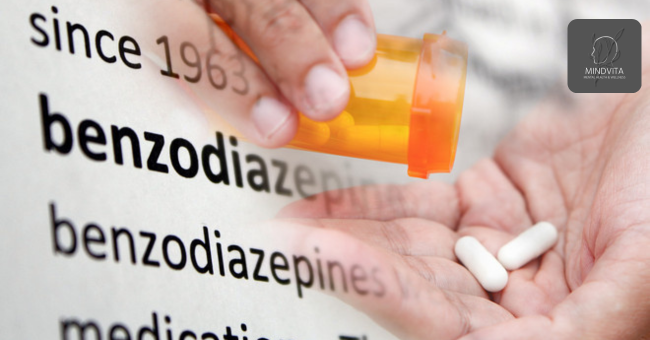
Benzodiazepines: Drugs, particularly the fast acting varieties like Xanax or Ativan, can quickly reduce the symptoms of a panic attack. Those must be prescribed, though for short term relief because of their risk of dependency.
Selective serotonin reuptake inhibitors: These include drugs like Zoloft and Prozac, which are generally used long term for the treatment of anxiety and panic mode disorder. These increase the level of serotonin in the brain promoting mood stability and hence the panic attacks tend to be less frequent.
Serotonin Norepinephrine Reuptake Inhibitors (SNRIs): SNRIs include venlafaxine, also commercially known as Effexor. These have been efficient in treating anxiety and depression by acting on both serotonin and norepinephrine substances required to maintain emotional stability.
It is always crucial that you talk to your health provider about your options for medication so that you will use the appropriate panic medication that best suits your needs. Medications are best when used alongside therapies.
Practical tips for avoiding panic attacks
The treatment of mental health and panic medication may control the panic attacks, but there are several practical steps you could take to reduce panic attacks:
Regular exercise may help reduce anxiety and stabilize mood. Aim for 30 minutes of exercise most days of the week.
Eat healthy: A diet filled with vegetables, fruits, lean proteins and whole grains keeps the mind healthy.
Get enough sleep: Sleep is crucial for emotional regulation. Aim for 7 to 9 hours every night, which would ultimately prevent anxiety and panic attacks.
Practice mindfulness: Techniques for mindfulness, such as meditation or yoga help an individual be more aware and focused on the present. These kinds of practices will help to quiet the mind and reduce the symptoms of panic mode disorder.
Limit caffeine and alcohol: Both these can heighten anxiety and trigger panic attacks therefore, in cases where one is prone to panic attacks, it is best to restrict or avoid them altogether.
Conclusion
Overcoming Panic Disorder It is overwhelming but does not have to be faced in isolation. The appropriate mental health treatment, medications for panic mode, and practical changes to everyday living enable you to take back control over anxiety and successfully reduce the number of panic attacks experienced over time. If you are struggling with panic mode disorder and are in need of professional tailored support to cope with anxiety and panic disorders, then MindVita can help. Contact us today and embark upon the path toward a much more peaceful, balanced life.
FAQs to help you manage panic mode
1. How can I tell if I am having a panic attack or a heart attack?
Symptoms can seem very similar between panic attacks and heart attacks, but classic panic attacks are accompanied by feelings of dread and terror with the physical symptoms of shortness of breath, and a racing heart. Symptoms of a heart attack are usually much more severe and include chest pains, nausea and do not quickly pass.
2. What to do if you have a panic attack while driving?
When driving, if you enter a panic attack, pull over to a safe location and practice deep breathing. Engage your senses to help you ground yourself reassuring yourself that your panic attack will pass.
3. How does therapy help with panic attacks?
Cognitive Behavioral Therapy is a kind of mental health therapy that helps in identifying what conditions trigger your panic attacks and how to challenge your negative thought patterns and teach you how to effectively cope with a panic attack.
4. Are panic mode medications necessary in the treatment of panic attacks?
Benzodiazepines or SSRIs are medications that may be prescribed for panic mode symptoms. However, medications work best when used in addition to therapy for the most optimal long term results. Always consult with a healthcare provider before starting medication.
5. Which lifestyle changes might help prevent panic attacks?
This includes regular exercise, a balanced diet, mindfulness practices and getting enough rest. These, in turn, prevent anxiety and help you control panic attacks. Avoid caffeine and alcohol if you want to reduce the triggers for panic attacks.