
Panic attacks can come out of nowhere leaving you feeling out of control and helpless. Fear and helplessness are feelings in and of themselves that accompany either full blown panic attacks or generalized anxiety, making it hard to live life as normal. When you are stuck within one of these situations learning how to calm down a panic attack and get back into emotional control is required.
This article will focus on the signs and symptoms of panic attacks effective panic attack calming strategies and how to manage a panic attack. We’ll review some very workable ways to cope with panic mode, the science that underlines it and ways to get you back in control. At the end of this guide, you will learn some extremely powerful ways to handle your anxiety better and live a more peaceful life.
Panic attacks can feel overwhelming, but there are simple ways to manage and calm anxiety. By implementing effective techniques and seeking support from an online psychiatrist, you can regain control and find peace.
What is a panic mode?
Panic disorder is a condition wherein the body is overcome by intense anxiety or fear. It starts in the body and takes over one’s mind. The body starts the “fight or flight” response usually a protective mechanism brought on by undue stress, fear or the threat of danger. Since there is no real danger, it could bring on a panic disorder, causing you to feel extreme discomfort.
Mainly, a panic disorder is characterized by a panic attack which can manifest various symptoms, including a racing heartbeat, shortness of breath, dizziness and an overwhelming feeling of dread. Understanding symptoms in panic disorder is the first important factor in its effective management.
Symptoms of a panic mode
There are several ways in which panic disorder and symptoms of panic attack may present themselves. A few of the common symptoms of a panic attack are listed below:
Other common symptoms of panic mode are a rapid heartbeat and palpitations.
Excessive sweating: even in an environment which is cool.
Shaking or shivering: Your body might start to shake or shiver during a panic attack.
Shortness of breath: A feeling of not being able to breathe or suffocating and/or not getting enough air.
Dizziness or lightheadedness: You may feel like you are going to faint. Chest pain or discomfort this feels like a heart attack and is dangerous.
Loss of control: This is a common feeling when experiencing panic mode that one is going “crazy” or will lose control of their actions.
Sense of impending doom: The majority of people experience a strong feeling of fear that some type of dreadful thing is going to happen.
While they are not life threatening these attacks can be frightening; they could disrupt your daily life. Fortunately, the good thing is that these panic mode can be managed and reduced with the right strategies.
How to calm a Anxiety panic mode: 7 practical steps
The good news is that Anxiety panic mode can be managed. With the proper approach, you most certainly can calm panic attacks and gain control over them. Here are seven of the most effective strategies for managing anxiety panic mode:
1. Practice deep breathing
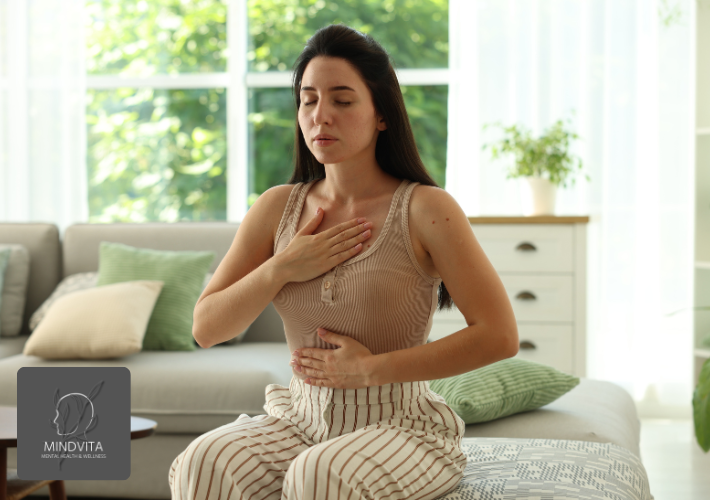
When you go into panic mode your breaths are shallow and rapid. This in no way can allow your body to calm down whatsoever. Deep breathing is extremely good in calming down a panic attack rather sooner than later. By slowing your breathing down and making it deliberate, you start the relaxation response in the body.
Now do the 4,7,8 breathing technique:
- Inhale through the nose for 4 seconds.
- Hold your breath for 7 seconds.
- Slowly exhale through the mouth for 8 seconds.
Do this for a few minutes to slow your heartbeat and relax your nerves. One of the best ways to soothe the symptoms of panic attacks, calm panic stricken moods and get rid of fearful thoughts is through deep breathing.
2. Identify Symptoms of Panic Attack
Recognizing this as a panic attack is itself one of the coping mechanisms to deal with the situation. During the attack most people do not recognize what is happening; rather, some even genuinely believe they have a heart attack or any other grievous problem. Understanding symptoms as a panic attack will help to distance yourself from the fear and anxiety that usually comes along with it.
Since you now know that panic attacks are not fatal, you would also be much better prepared to handle them. When you take note of this, it stops panic attacks from getting out of hand.
3. Practice grounding with the 5,4,3,2,1 method
This will help you remain in the present moment and get your mind off panic. A very good, useful technique is called the 5,4,3,2,1 grounding method. This goes as follows:
- Name any 5 things that you see around you.
- Name 4 things you can touch.
- Three things you can hear.
- Name 2 things you can smell.
- Name one thing you can taste.
It shifts your attention away from the overwhelming feelings to the senses helping you connect with reality and distracting you from your panic attack.
4. Reframe your thoughts
When you have a panic attack, your mind races with irrational thoughts and destructive thinking. You may feel that you are in grave danger but such thoughts only heighten your panic. Reframing can be one of the strongest tools for soothing panicked moods.
- Ask yourself: Is this thought based on reality?
- What are the chances the thing I fear will happen?
- How do I handle anxiety given my experiences in the past?
You can minimize the fear that drives the panic by replacing questioning and irrational thoughts with more balanced and logical thinking.
5. Move Anxiety
Anxiety and panic are both put best at bay by the endorphin inducing effects of physical activities. Movement of the body releases mental energy when one feels overwhelmed, reduces stress hormones and stimulates the production of endorphins, which are natural mood boosters. You don’t need to do heavy exercises, but just some simple exercises like walking, stretching, or even yoga which will help in relaxing and cooling your panicked mood.
6. Practice progressive muscle relaxation
PMR is done by tensing and releasing muscle groups across your body. Starting with your toes, working up to your head, you would tense and then release each group of muscles in turn. By creating the sensation of tensing and then releasing your muscles, you can release physical tension to create calmness. Not only does this technique soothe panic attacks but it may also relieve tightness and discomfort in the muscles.
7. Seek professional help
If you have frequent panic attacks or experience panic attacks, professional help could make all the difference. Cognitive behavioral therapy is the most helpful in dealing with panic attacks as well as anxiety. A trained therapist can help you identify triggers, manage symptoms and offer practical resources that can reduce panic and anxiety.
Panic attacks: What are the causes?
Most panic attacks are brought about by stress, trauma or other mental disorders. When your brain senses danger even though it may not be real it sends a signal to the “fight or flight” response, which prepares your body to react as if it is in some kind of danger. This is helpful if there are real threats but can be disruptive in non threatening situations, hence leading to panic attacks and anxiety. In some cases, this could lead the body into entering the panic mode, which, over time, will be easier to deal with and harder to control. In such instances, self awareness of the triggers and coping mechanisms becomes an integral part for one to break this cycle.
Table: Common Panic Attack Symptoms
| Symptom | Description |
| Rapid Heart Rate | A racing heartbeat or palpitations often accompanies panic attacks. |
| Sweating | Excessive sweating is common, even in cool environments. |
| Trembling or Shaking | Physical trembling or shaking of the hands, legs or other body parts. |
| Difficulty Breathing | Shortness of breath or feeling like you’re choking. |
| Dizziness or Lightheadedness | A sensation of dizziness or fainting can occur during a panic attack. |
| Fear of Losing Control | A feeling of being overwhelmed and unable to regain control over your emotions. |
Symptoms of a panic attack are clear cut signals that your body is overwhelmed with anxiety. Understanding how to recognize a panic attack itself is the first step in controlling your emotions. Knowing such symptoms will also lead to ways that will reduce their intensity and more effectively cope with anxiety.
Keep in mind that panic attack symptoms are temporary and there are ways to soothe your panicked mood. Practice the relaxation techniques, deep breathing and seek professional help where needed to reduce the impact of the panic attack symptoms.
Continue to find ways of dealing with the symptoms of a panic attack, keeping in mind the entire time that they do not define you. The conditions of panic attacks and anxiety are controllable, and with the right tools and support, you are able to take back control of both your mind and body.
How to Calm Panic Mode Quickly
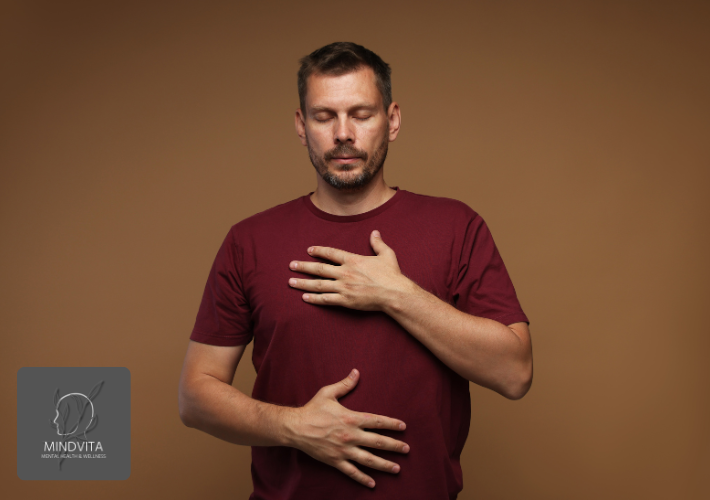
When panic attacks strike, they are often out of the blue. Having some plan for how you will respond helps. Here are some fast steps you can take:
Get grounded: Engage your surroundings using the 5,4,3,2,1 technique.
Breathe deeply: Use the 4,7,8 technique to slow your breathing.
Positive Self Talk: remind yourself that the attacks are temporary and you are safe.
Move your body: Light physical activity to take away your stress.
Relaxation focus: Employ progressive muscle relaxation or other techniques that may help the body relax.
These quick techniques will get you through the panic attacks and give you back a feeling of emotional control.
These quick strategies will help you handle panic attacks and get your emotions back in check.
If you are wondering how to calm down during a panic attack, the key is to remain grounded and compose yourself with practical means of self soothing. Breathe deeply, take relaxation techniques or engage in movement that will help to reduce the impact of a panic attack. Essentially, how to calm a panic attack means taking proactive steps towards stopping the panic cycle and getting your peace of mind back.
This knowledge of how to calm a panic attack, combined with regular practice, will go a long way in better preparing you to handle those moments of extreme anxiety. With time and consistency, you will manage to control your panic attacks and lessen their frequency.
Conclusion: Retaking control over panic attacks
Although feelings during panic attacks can be overwhelming, they are controllable. You are able to minimize the intensity and frequency of panic attacks by recognizing symptoms signaling a panic attack, practicing deep breathing techniques and using grounding techniques. With continued practice, the control over panic attacks will return and you can live life in greater peace.
Manage panic attacks, anxiety and stress with the help of professional support given by MindVita. Have you been suffering from panic attacks? Seek help without any further delay. Bring balance into your life with one step taken today through MindVita.
Frequently Asked Questions
1. What are the symptoms of a panic attack?
Signs of a panic attack include a racing heartbeat, perspiration, dizziness and even possibly a fear of losing control. The ability to recognize this is invaluable in dealing effectively with panic attacks.
2. What can I do to quickly relax during a panic attack?
Deep breathing, grounding techniques and reminding oneself that it will pass soon are some of the quick techniques that could calm down a panic attack.
3. What are the causes of panic attacks?
Generally, a panic attack is brought about by stress, trauma, or anxiety disorders. Since the body then senses danger, it goes into a state of alertness that brings forth panic attacks.
4. How do I know if I am having a panic attack?
If you have symptoms such as your heart beating fast, difficulty in breathing and dizziness then that is the panic attack. Being able to identify this sign will allow you to begin to know how to manage your panic attacks.
5. Does therapy work for panic attacks?
Yes, therapy more specifically cognitive behavioral therapy, helps in the treatment of panic attacks and proves quite effective against anxiety and panic disorder. A therapist can provide you with important tools to deal with panic.