Have you ever felt suddenly overwhelmed by fear, physical tension, or a sense that something is wrong, even when you are safe? Many people describe this experience as “panic mode.” During panic mode, the body activates its stress response, which can cause symptoms such as a racing heart, rapid breathing, dizziness, and difficulty thinking clearly.
If panic mode is affecting your daily life, you should not ignore it. You can take the first step by learning your triggers and using calming techniques regularly. Support from professionals can also help you manage panic mode more effectively. At MindVita, you can explore guidance, tools, and expert care to improve your mental well-being and feel more in control every day. Schedule a consultation today to get personalized support and start your recovery journey with confidence.
What Is Panic Mode and How Is It Different From Normal Stress?
Normal stress usually develops in response to everyday challenges and often improves when the situation passes. Panic mode is more intense and can trigger sudden physical and emotional symptoms that feel difficult to control, even when there is no immediate danger. Understanding panic mode helps you identify early signs, stay calm, and use simple coping strategies to regain emotional control effectively.
According to True North Psychological Services [1], panic mode is a more intense reaction than normal stress. While stress usually develops in response to everyday challenges and often fades when the situation improves, panic involves sudden and intense feelings of fear that can occur even without an immediate threat. Panic episodes may trigger physical symptoms such as a racing heart, shortness of breath, dizziness, and a sense of losing control, making the experience feel much more severe than ordinary stress.
What Are the Most Common Panic Attack Symptoms You Should Never Ignore?
Panic attacks can cause sudden physical and emotional changes that may feel frightening or difficult to manage. You may feel a fast heartbeat, shortness of breath, chest tightness, sweating, shaking, and dizziness. Many people also experience nausea, tingling sensations, and intense fear of losing control. These symptoms can feel very strong, but they are usually temporary and improve when you use calm breathing and grounding techniques.
Here are the most common panic attack symptoms that you should always pay attention to during panic mode:
- Rapid heartbeat and strong chest palpitations.
- Shortness of breath or feeling unable to take enough air
- Sudden sweating, chills, or body temperature changes
- Dizziness, weakness, or feeling lightheaded
- Chest discomfort or tight pressure in the chest area
- Trembling or uncontrolled shaking in body muscles
- Tingling or numbness in hands, face, or limbs
- Feeling detached from reality or surroundings
Recognizing these symptoms early can help you respond more calmly and use coping strategies before panic becomes more intense. When you understand these signs, you respond in a better way and manage panic mode more easily. Simple breathing and focusing techniques support your emotions. Over time, awareness reduces strong reactions and helps you regain control during stressful moments safely and steadily.
What Factors Can Trigger Panic Mode and Increase Anxiety and Emotional Distress?
Panic mode triggers can increase anxiety when your brain reacts strongly to stress signals. Psychological factors like overthinking, fear of failure, and negative thoughts often play a major role. At the same time, physical issues such as lack of sleep, low energy, and high caffeine intake can disturb your balance. These triggers may activate panic attack symptoms and make emotional control more difficult.
Environmental and lifestyle factors also contribute to panic mode. Busy schedules, financial pressure, and constant social media use can increase stress levels. Loud environments and lack of rest can make your mind feel overloaded. Long-term stress can make your emotions more sensitive and increase anxiety reactions. Because of this, even small problems may feel big and hard to handle calmly.
How to Calm Panic Mode Quickly and Prevent Future Episodes?
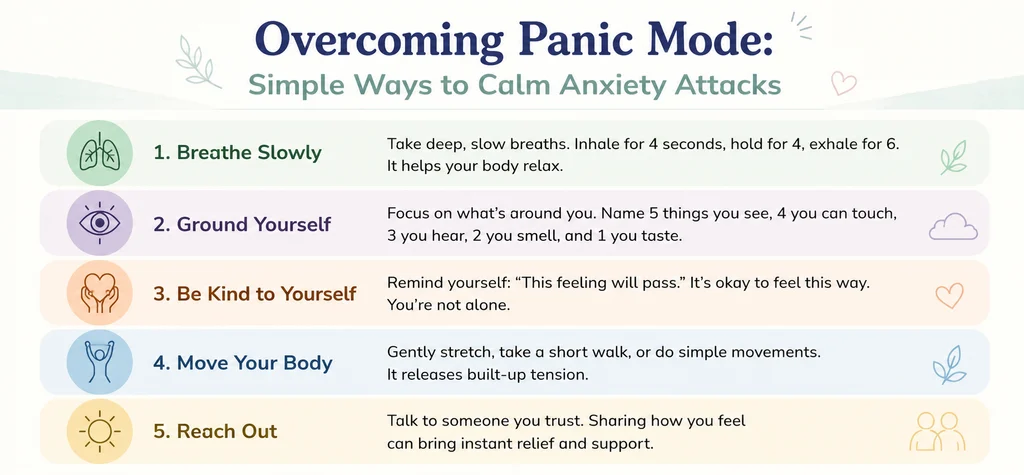
You can calm panic mode quickly by slowing your breathing and focusing on the present moment. It helps to reduce panic attack symptoms like fast heartbeat and confusion. You should also use simple grounding techniques, relax your muscles, and avoid stimulants like caffeine. Over time, healthy sleep, routine exercise, and stress control habits help prevent future panic mode episodes and improve emotional balance.
Practice Deep Breathing to Slow Your Stress Response
Deep breathing helps slow your heart rate and reduce panic mode intensity. When you inhale slowly and exhale longer, your body shifts from stress response to relaxation. This technique reduces panic attack symptoms and helps you regain control quickly during sudden anxiety episodes.
Use Grounding Techniques to Regain Control
Grounding techniques help you focus on your surroundings instead of fear. You can name objects you see, feel, or hear. This reduces overthinking and brings your attention back to reality. It is very useful during panic mode when thoughts feel unclear.
Improve Sleep and Daily Recovery Habits
Good sleep supports emotional balance and lowers stress levels. A fixed sleep routine helps your brain recover from daily pressure. When you rest properly, your body handles panic mode better and reduces the chance of frequent panic attack symptoms appearing in stressful situations.
Reduce Caffeine and Other Common Triggers
Caffeine and stimulants can increase heart rate and anxiety. Reducing them helps prevent panic mode from becoming worse. You should also avoid irregular eating and dehydration, as they may trigger physical discomfort and increase sensitivity to panic attack symptoms during stress.
Consider Professional Support and Therapy
Therapy and professional guidance help you understand panic mode triggers better. Experts can teach coping skills and emotional control techniques. With proper support, you can reduce panic mode frequency, manage panic attack symptoms, and improve long-term mental and physical well-being effectively.
According to Medical News Today [2], several self-care strategies can help reduce anxiety symptoms and prevent future episodes. These include practicing deep breathing, staying physically active, getting enough sleep, using grounding techniques to stay connected to your surroundings and limiting caffeine intake. The article also notes that relaxation techniques and professional support can improve emotional health. As a result, these healthy habits may help you manage Panic mode more effectively and reduce the chances of recurring episodes.
Can Panic Mode Affect Your Health, Weight Loss Goals, and Overall Well-Being?
Panic mode can impact your health, weight loss goals, and overall well-being in many ways. It increases stress in your body and may lead to symptoms like a racing heart, low energy, and disturbed sleep. It can also affect your focus, change your eating patterns, and reduce motivation. Over time, it becomes difficult for you to stay consistent with healthy habits and maintain emotional stability in daily life.
According to Charlie Health [3], when your body stays in panic mode for long periods, it can affect both physical and emotional health. Ongoing anxiety may change appetite, increase stress hormone activity, and place extra strain on the body. As a result, some people experience unintended weight loss, reduced energy levels, digestive discomfort, and difficulty maintaining mental health. These effects can make it harder to support healthy weight goals and daily functioning over time.
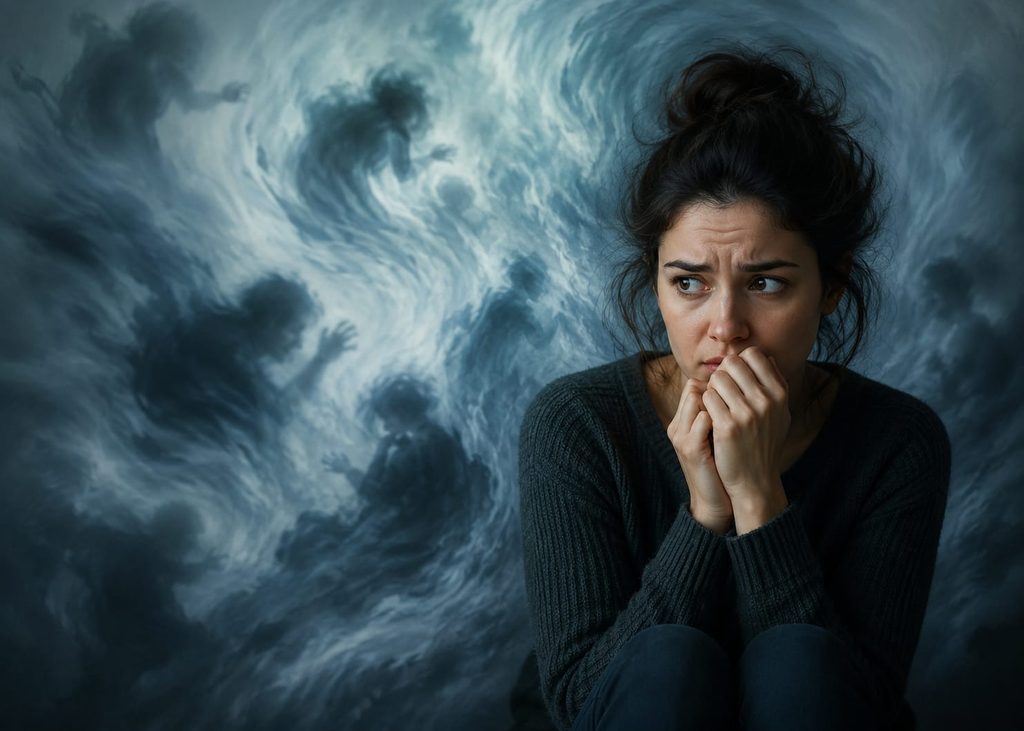
Take Control of Panic Mode With MindVita and Start Feeling Better Today
You may feel stressed when panic mode appears suddenly in your daily life without any warning. Your heart beats fast, your breathing becomes short, and your thoughts feel mixed and unclear. Panic attack symptoms can affect your work, sleep, and relationships. Over time, this constant stress can lower your confidence, increase fear, and make simple daily tasks feel hard and confusing. It can also feel emotionally heavy for you, and you may struggle to handle everything alone.
At MindVita, we help you take control of panic mode with simple and effective guidance. Our experts support you in identifying your panic mode triggers and understanding your emotional patterns clearly. You learn practical coping strategies, relaxation techniques, and stress management skills to reduce panic symptoms and regain confidence. Contact us today to manage panic attack symptoms, improve your emotional balance, and gradually regain confidence, stability, and control in your everyday life.
FAQS
How to Calm Panic Mode Naturally?
To calm panic mode naturally, you should slow your breathing and focus on the present moment. Start with deep breathing, then relax your muscles step by step. Next, use grounding techniques like naming objects around you. Drink water, and rest properly to restore emotional balance quickly and safely.
When should you seek professional help for Panic Mode?
You should seek professional help for panic mode when symptoms happen often or feel hard to control. If panic attack symptoms disturb your daily life, sleep, or work, talk to a psychiatric provider. Also, get support when fear increases, physical signs worsen, or self-care methods no longer reduce panic mode effectively.
Can Panic Mode happen without a clear reason?
Yes, panic mode can happen without a clear reason. Sometimes your brain reacts to hidden stress, tiredness, or emotional overload. Even small triggers can activate panic attack symptoms. As a result, your body feels danger, even when nothing is wrong. This reaction comes suddenly and may feel confusing or unexpected.
Is Panic Mode the same as an anxiety disorder?
Panic mode is not always the same as an anxiety disorder. Panic mode can happen during stress or fear for a short time. However, an anxiety disorder includes frequent and long-term symptoms. When panic attack symptoms repeat often and affect daily life, it may show an anxiety condition that needs medical care.
Can poor sleep increase the risk of Panic Mode?
Yes, poor sleep can increase the risk of panic mode. When you do not rest well, your brain becomes more sensitive to stress. This can raise panic attack symptoms like fast heartbeat and fear. Over time, lack of sleep weakens emotional control and makes panic mode episodes more likely to occur.
Does caffeine make Panic Mode worse?
Yes, caffeine can make panic mode worse in some people. It increases heart rate and nervous energy, which may trigger panic attack symptoms like shaking and restlessness. When used in high amounts, it can also raise anxiety levels. Therefore, limiting caffeine helps you stay calmer and manage panic mode better.
Is panic mode the same as a panic attack?
Not exactly, panic mode is an informal term people often use to describe feeling overwhelmed by fear, stress, or panic symptoms. A panic attack is a recognized clinical event that involves sudden and intense physical and emotional symptoms that peak within minutes.