
Mental fatigue means feeling mentally exhausted, which makes it harder to think clearly, focus, and get things done. It usually happens after long periods of stress, intense focus, or emotional strain. You might notice slower thinking, trouble concentrating, lower productivity, and a sense of mental fog. Taking action early and using healthy recovery strategies can help you regain your mental energy and feel better day to day.
At MindVita, our mental health experts help you find the causes of ongoing mental fatigue and unclear thinking. Through personalized assessments, therapy, medication when needed, online psychiatry services, and regular follow-up care, we create treatment plans that support lasting improvement. Book your appointment today and take the first step toward better focus, renewed energy, and improved daily life.
How Can Mental Fatigue Impact Daily Performance and Mental Clarity?
Mental fatigue can lower your ability to focus, think clearly, and finish daily tasks well. Unlike regular tiredness, mental fatigue affects how your brain works and may last even after you rest physically. Because of this, you might feel tired and foggy, think more slowly, forget things, be less productive, and find it hard to make decisions during the day.
A review published in Sports Medicine [1] describes mental fatigue as a state caused by prolonged cognitive activity. The review found that mental fatigue can reduce performance on demanding tasks and increase perceived effort, even when several physiological measures remain unchanged. These findings suggest that mental fatigue can make tasks feel more challenging and require greater mental effort over time.
Mental illness can also reduce mental clarity over time. You might find it harder to stay focused, understand information quickly, or change between tasks easily. Because of this, simple jobs may need more effort and attention than usual. When mental fatigue lasts, it can lower the quality of your work and make it difficult to do daily activities well.
What Are the Most Common Mental Fatigue Symptoms and Warning Signs?
Mental fatigue symptoms can affect your emotions, thinking abilities, physical energy, and daily performance. You may feel emotionally drained, mentally overwhelmed, or unable to concentrate for long periods. In addition, symptoms often develop gradually and can affect work, school, and home responsibilities before you recognize that mental exhaustion is becoming a problem.
These are the common mental fatigue symptoms:
Emotional Symptoms
- Feeling emotionally drained
- Increased irritability or frustration
- Low motivation
- Feeling overwhelmed by simple tasks
- Reduced interest in daily activities
Cognitive Symptoms
- Difficulty concentrating
- Mental fog or unclear thinking
- Forgetfulness
- Slower information processing
- Poor decision-making
Physical Symptoms
- Persistent tiredness
- Low mental energy
- Headaches after mental effort
- Difficulty staying productive
- Feeling exhausted despite rest
Work, School, and Home Signs
- Struggling to complete assignments or projects
- Taking longer to finish routine tasks
- Making more mistakes than usual
- Difficulty managing responsibilities
- Trouble staying organized
Mental fatigue often goes unnoticed because symptoms may show up slowly instead of all at once. A review published in Brain Research Reviews [2] suggests that mental fatigue is linked to how people judge the effort needed to keep doing a task. The authors say mental fatigue happens when the mental effort feels greater than the expected benefits. Because of this, motivation to keep doing hard activities may drop over time, making it very important to notice warning signs early.
Can Mental Stress Cause Fatigue, and How Does It Link with Depression?
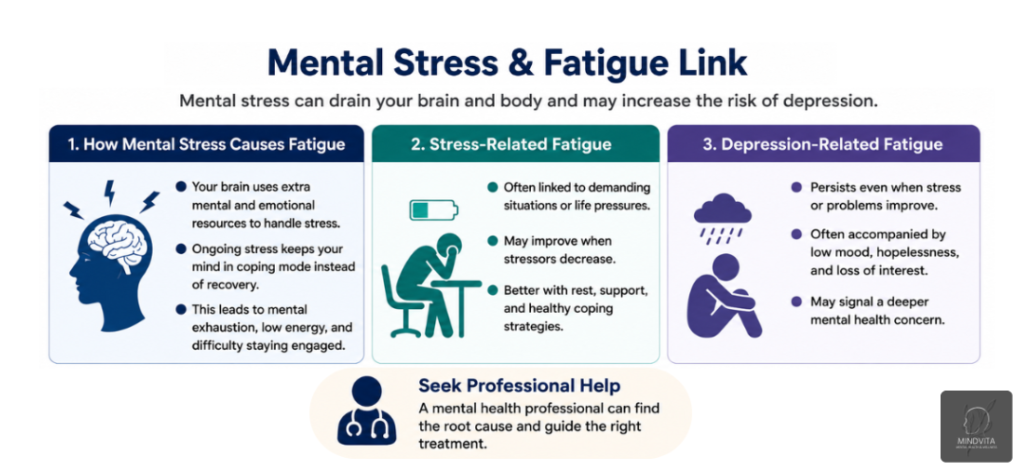
Yes, mental stress can cause fatigue because your brain uses extra mental and emotional energy to handle ongoing pressure. When stress lasts for weeks or months, your mind stays focused on dealing with problems instead of resting. As a result, mental tasks may take more effort, and you may find it harder to stay focused, productive, and mentally refreshed during the day.
Stress-related fatigue and depression-related fatigue can appear similar, but they often differ in duration and emotional impact. Stress-related fatigue may improve when stressors decrease or coping strategies become more effective. In contrast, anxiety– or depression-related fatigue often persists and may occur alongside low mood, hopelessness, or loss of interest in activities. Therefore, ongoing fatigue may signal a deeper mental health concern that deserves professional attention.
How Can Cognitive Fatigue Therapy Support Mental Fatigue Recovery?
The fastest mental fatigue treatment depends on the underlying cause, but combining quality sleep, stress reduction, healthy routines, and professional support often provides the best results. Some people notice improvement through lifestyle changes, while others benefit from cognitive fatigue therapy or mental health treatment when symptoms persist or significantly affect daily functioning.
The following strategies can help improve mental fatigue and support recovery in different ways.
- Quality Sleep: Sleep helps your brain recover from daily mental demands. Consistent sleep schedules may improve focus, alertness, and mental energy.
- Stress Management: Relaxation techniques, mindfulness, and healthy coping skills can reduce the mental burden created by ongoing stress.
- Routine Changes: Regular breaks, better time management, and realistic workloads can help prevent mental exhaustion from building over time.
- Healthy Lifestyle Habits: Physical activity, balanced nutrition, and hydration support overall brain function and may improve energy levels throughout the day.
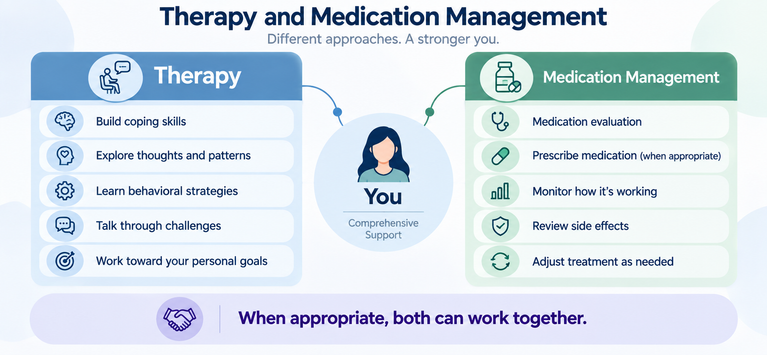
- Cognitive Fatigue Therapy: Cognitive fatigue therapy helps you identify thought patterns, habits, and stressors that contribute to mental exhaustion. It also teaches practical strategies to improve mental performance and recovery.
- Professional Treatment: Professional care may help when self-care strategies provide limited relief. Mental health professionals can evaluate underlying concerns and recommend personalized treatment options.
Research shows that inadequate sleep can affect several important cognitive functions. A meta-analysis in Psychological Bulletin [3] found that short-term sleep deprivation can impair attention, working memory, processing speed, and other areas of cognitive performance. These findings highlight the close relationship between sleep quality and mental functioning. Therefore, improving sleep habits may be an important part of managing mental fatigue and supporting cognitive recovery.
When Should You Seek Professional Help for Mental Fatigue Symptoms?
You should seek professional help when mental fatigue symptoms persist, worsen, or begin affecting your daily life. Ongoing mental fog, difficulty concentrating, emotional exhaustion, and persistent fatigue should not be ignored. When these symptoms interfere with work performance, relationships, decision-making, or routine responsibilities, a professional evaluation may help identify the cause and guide appropriate treatment.
Mental fatigue can sometimes develop alongside stress-related conditions, anxiety, depression, sleep problems, or other health concerns. Therefore, early evaluation is important when symptoms continue despite rest and lifestyle changes. Mental health professionals review your symptoms, daily habits, emotional well-being, and medical history to identify underlying factors. This process helps create a personalized treatment plan that supports both symptom relief and long-term recovery.
Reclaim Your Energy and Mental Clarity With MindVita
Living with ongoing mental fatigue can make even simple tasks feel overwhelming. You may struggle to stay focused, complete responsibilities, or maintain the same level of performance you once had. Over time, mental fog, emotional exhaustion, and reduced motivation can affect your work, relationships, confidence, and overall quality of life.
At MindVita, our psychiatric providers offer personalized care to help you understand and manage the factors contributing to mental fatigue. Through comprehensive evaluations, therapy, medication management when appropriate, telepsychiatry services, and ongoing follow-up care, we create treatment plans tailored to your needs. Contact us today to take the first step toward restoring your mental energy, focus, and daily well-being.
FAQs
Can Mental Fatigue Affect Memory and Learning Ability?
Yes, mental fatigue can affect your ability to remember information and learn new things. When your brain becomes mentally exhausted, it may process information more slowly and struggle to retain details. As a result, you may forget tasks, lose focus during conversations, or find it harder to absorb new information throughout the day.
How Long Does Mental Fatigue Usually Last?
The duration of mental fatigue depends on its cause and severity. Some people recover within a few days after improving sleep and reducing stress. However, symptoms may last much longer when ongoing stress, anxiety, depression, or other health concerns contribute to mental exhaustion. Early intervention often supports faster recovery.
Can Mental Fatigue Affect Work Performance and Career Growth?
Yes, mental fatigue can affect both short-term performance and long-term professional success. You may find it harder to stay organized, meet deadlines, solve problems, or maintain productivity. Over time, these challenges can increase workplace stress and reduce confidence. Addressing symptoms early can help protect both performance and career development.
Can Exercise Help Reduce Mental Fatigue?
Yes, regular physical activity may help reduce mental fatigue and improve mental clarity. Exercise supports healthy blood flow, stress management, and overall brain function. In addition, physical activity can improve sleep quality and emotional well-being. Even moderate exercise may help you feel more energized and mentally refreshed over time.
Is Mental Fatigue a Sign of Another Mental Health Condition?
Sometimes. Mental fatigue can occur on its own, but it may also develop alongside anxiety, depression, chronic stress, or sleep-related concerns. If symptoms persist despite healthy lifestyle changes, a professional evaluation can help identify underlying factors. Understanding the root cause often leads to more effective treatment and recovery.
Can Taking Breaks During the Day Help Prevent Mental Fatigue?
Yes, regular breaks can help prevent mental fatigue from building throughout the day. Short periods of rest allow your brain to recover from prolonged concentration and mental effort. In addition, stepping away from demanding tasks may improve focus, productivity, and mental clarity when you return to work.