Have you felt down, tired, or unmotivated for years, even when nothing seems obviously wrong? You may still go to work, care for your family, and handle daily responsibilities, but a persistent low mood never fully goes away. This long-lasting form of depression, often called dysthymia or persistent depressive disorder, can quietly affect your energy, motivation, and enjoyment of life. Modern dysthymia treatment focuses on helping you manage these symptoms through long-term, personalized care. Treatment often combines therapy, medication, lifestyle support, and regular follow-ups to improve emotional stability and daily functioning over time.
You may feel stressed when long-term mood changes keep affecting your daily life. Staying consistent with routines can become difficult, and tracking your emotional progress may feel unclear over time. At MindVita, we create personalized dysthymia treatment plans based on your symptoms, history, and daily challenges. You get regular therapy support, medical guidance, and progress tracking. Our aim is to help you build emotional strength and take back control of your daily life. Schedule a consultation today and move toward lasting mental balance and stability.
What Is Dysthymia Treatment and Why Is It Long-Term in Modern Psychiatry?
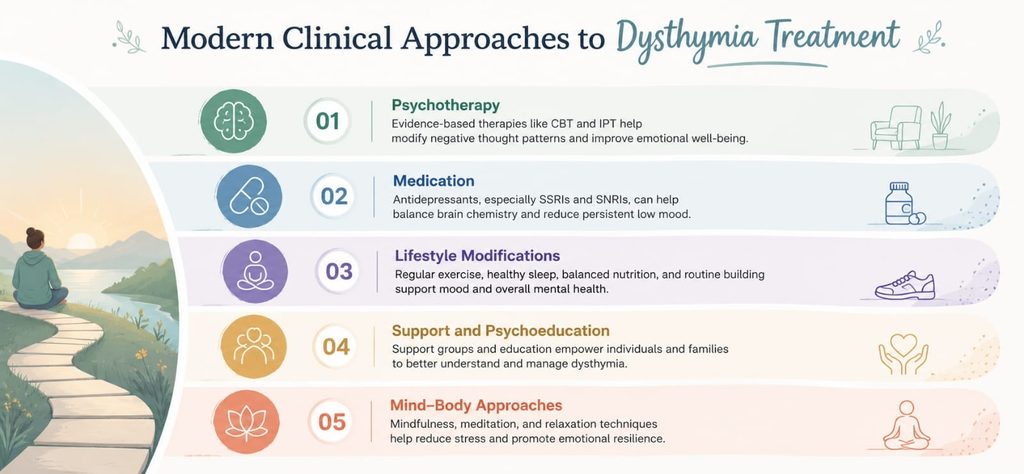
Dysthymia treatment involves a combination of therapy, medication when appropriate, lifestyle changes, and ongoing mental health support. Because dysthymia, also known as persistent depressive disorder, develops gradually and lasts for long periods, treatment is usually focused on steady improvement rather than rapid symptom relief.
Unlike short-term emotional struggles, dysthymia often affects mood, energy, motivation, and daily functioning for years. For this reason, mental health professionals typically recommend long-term treatment plans that help build emotional resilience, improve coping skills, and reduce the risk of symptoms returning over time.
According to Medscape (Dysthymic Disorder Treatment & Management) [1], dysthymia is treated using a combination of psychotherapy and antidepressant medication, and these approaches are often used together for better and more sustained improvement. The source also highlights that treatment is generally long-term in nature, because dysthymia is a chronic condition and relapse is common if therapy or medication is stopped early. Therefore, ongoing management and follow-ups are important to maintain stable mood and prevent recurrence of symptoms.
How Do Symptoms and the Differences Between Dysthymia and Depression Affect Treatment Planning?
The differences between dysthymia and depression strongly influence how psychiatrists plan treatment. Dysthymia shows long-lasting, mild symptoms, while depression appears in more severe and sudden episodes. Because of this, dysthymia treatment focuses on slow, steady progress and long-term care. Depression treatment often targets faster symptom relief. Since dysthymia develops gradually and lasts much longer than major depression, treatment often focuses on long-term emotional improvement rather than rapid symptom relief.
These clinical differences directly guide how treatment is structured in real practice:
- Dysthymia requires long-term therapy with gradual improvement goals.
- Depression treatment focuses on faster relief of intense symptoms.
- Medicine for dysthymia is often maintained for longer periods.
- Monitoring frequency is higher in chronic mood conditions.
- Treatment plans change based on symptom severity and duration.
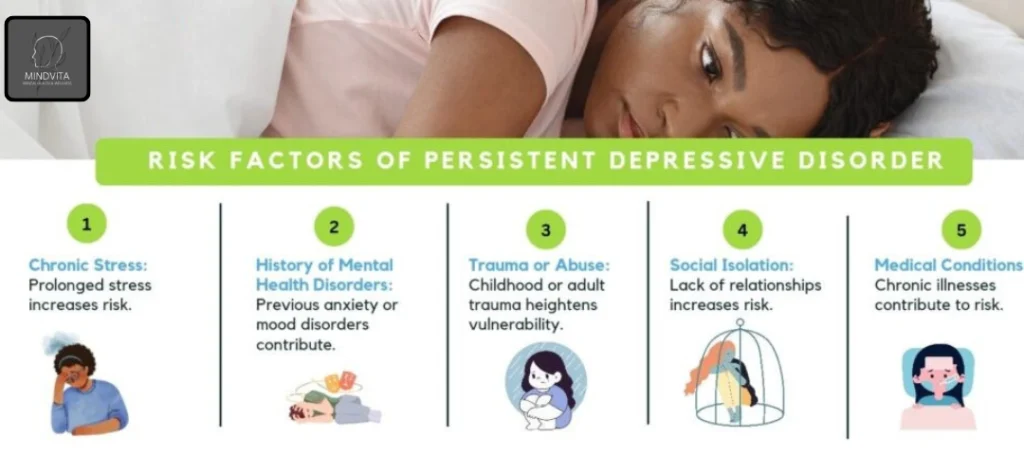
These differences help mental health professionals design more accurate and personalized care plans. Dysthymia treatment aims to build emotional stability over time, while depression care focuses on reducing acute distress. When symptoms are properly assessed, you receive the right balance of therapy, medication, and guidance, which supports steady recovery and reduces the risk of symptoms returning over time.
What modern therapies improve dysthymia treatment outcomes the most?
Modern dysthymia treatment often combines several therapy approaches to address long-term emotional patterns. Cognitive Behavioral Therapy (CBT) helps you identify and challenge negative thought patterns that contribute to persistent low mood. Interpersonal Therapy (IPT) focuses on improving communication skills and relationship difficulties that may affect emotional well-being.
Psychodynamic therapy helps you explore long-standing emotional experiences and patterns that may contribute to ongoing depressive symptoms. Together, these approaches help you develop healthier coping skills, improve emotional awareness, and build long-term resilience against persistent depressive symptoms.
According to the PMC article [2], cognitive and behavior-focused therapeutic approaches play a key role in managing chronic depressive symptoms. These therapies help you identify negative thinking patterns and gradually replace them with healthier responses. The study supports that structured psychotherapy can improve emotional regulation and daily functioning in long-term depressive conditions.
How does medicine for dysthymia support brain chemistry and emotional balance?
Medicine for dysthymia helps restore balance in brain chemicals that control mood, motivation, and stress response. It mainly affects neurotransmitters like serotonin and norepinephrine, which play a key role in emotional regulation. With regular use, it reduces persistent low mood and improves your ability to manage stress. This supports dysthymia treatment by creating a stable foundation for gradual mental recovery and better emotional control.
According to Johns Hopkins Medicine [3], dysthymia is treated with antidepressant medications as part of a long-term care plan. The article explains that these medicines are used to help reduce ongoing depressive symptoms. It also notes that treatment may include psychotherapy along with medication to support improvement in mood and overall condition over time.
How Do Mental Health Professionals Diagnose Dysthymia and Monitor Progress?
There is no single laboratory or medical test for dysthymia. Instead, mental health professionals use clinical interviews, symptom questionnaires, and a detailed review of your emotional history to diagnose persistent depressive disorder. These results help determine how long symptoms have lasted and how they affect your daily life. Based on findings, dysthymia treatment is planned with appropriate therapy, medication, and long-term care strategies for better recovery outcomes.
How Mental Health Professionals Evaluate Long-Term Symptoms
Clinical assessments and symptom questionnaires are commonly used to evaluate persistent depressive disorder. Persistent depressive disorder is diagnosed through long-term symptom observation and structured clinical evaluation. Mental health professionals assess mood patterns, duration of symptoms, and functional impairment. This helps ensure accurate dysthymia treatment based on long-term emotional data.
How Assessment Tools Help Confirm Dysthymia
The research highlights that structured assessment tools and clinical interviews are essential for distinguishing dysthymia from other depressive disorders. These evaluations help identify symptom persistence and severity. As a result, treatment planning becomes more precise. In dysthymia treatment, continuous assessment improves therapy and emotional control and reduces relapse risk.
Why Ongoing Monitoring Matters During Treatment
The study emphasizes that persistent depressive disorder requires long-term monitoring due to its chronic nature. Regular evaluation helps track symptom progression and treatment response. This helps mental health professionals adjust treatment when needed and maintain consistent progress.
According to Mayo Clinic [4], diagnosing persistent depressive disorder involves a psychological evaluation that reviews your symptoms, emotional history, medical history, and the impact of symptoms on daily life. Mental health professionals assess how long symptoms have been present and whether they affect work, relationships, or everyday functioning. Because dysthymia is a long-term condition, regular follow-up appointments are important for monitoring progress, evaluating treatment response, and adjusting therapy or medication when needed. This ongoing approach helps support long-term symptom management and emotional stability.
Take Control of Your Dysthymia Treatment Journey with MindVita
You may have spent years feeling emotionally exhausted, unmotivated, or disconnected without fully understanding why. Even simple tasks can feel heavy and stressful. You might think it is just your nature, but the constant sadness, low energy, and lack of motivation slowly impact your work performance and daily productivity over time. Your relationships can start feeling distant, strained, or less connected. You may notice reduced energy and interest in daily activities over time.
At MindVita, we understand your long-term emotional struggle and guide you with care. Our experts create a personalized plan using therapy, medicine, and lifestyle support. Through regular sessions and professional monitoring, we support you in strengthening mood balance, developing healthy coping strategies, and slowly progressing toward a more stable, positive, and well-adjusted life over time. Contact us today to start your personalized dysthymia treatment journey and take the first step toward steady emotional recovery.
FAQS
What does long-term dysthymia treatment look like over several years?
Long-term dysthymia treatment focuses on steady improvement rather than quick results. During the first year, you may develop healthier coping skills and better mood regulation. Over the next 2–3 years, treatment can help you feel more emotionally balanced, improve daily life, and maintain steady mental well-being with ongoing support.
How early can persistent depressive disorder be identified in clinical settings?
Persistent depressive disorder is typically diagnosed when symptoms continue for at least two years in adults. However, healthcare professionals may recognize warning signs much earlier through clinical evaluations. Identifying symptoms within the first several months can encourage earlier support, helping reduce their impact on daily life and overall well-being.
What changes are expected after starting medicine for dysthymia?
Some people notice improvements in energy, sleep, concentration, or mood within several weeks of starting medication. However, response times vary from person to person, and ongoing follow-up helps determine whether treatment is working effectively.
Can Dysthymia Get Worse If Left Untreated?
Yes, without treatment, dysthymia can gradually affect relationships, work performance, physical health, and overall quality of life. Symptoms may remain mild but persistent, making it difficult to enjoy daily life. Early treatment can help reduce the impact of symptoms and improve long-term emotional health.
Can dysthymia treatment fully prevent relapse in later years?
No, dysthymia treatment cannot fully prevent relapse in later years. However, consistent treatment can significantly reduce the risk. Most people see better emotional stability within 6–12 months, while ongoing therapy, healthy lifestyle habits, and regular follow-ups over 1–2 years help support long-term recovery.